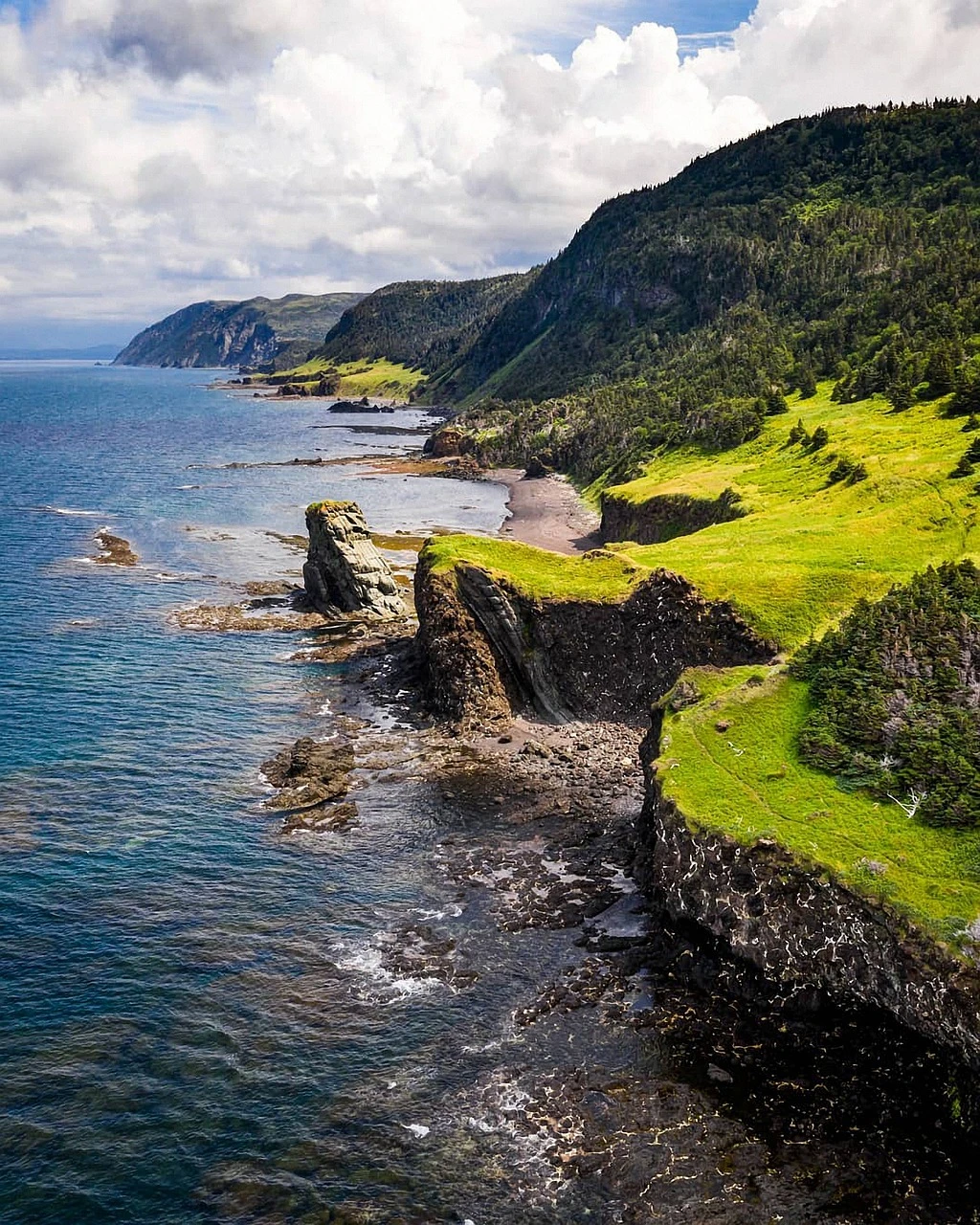
Restoration in Alberta, Canada
 Canada

What you'll get

Public landing page
Our public forest profile showcases GPS coordinates, CO2 impact, and work hours created by your forest, including both trees planted and trees protected.

Certificate of planted or protected tree
An official document that serves as proof of your contribution to reforestation and restoration. It includes tree details and conservation info.
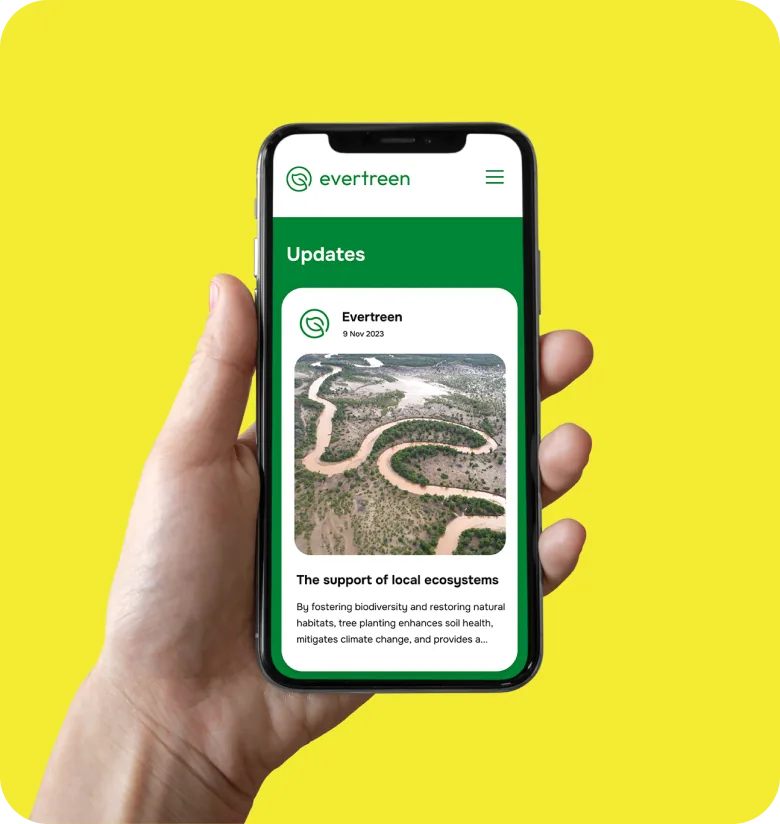
Project updates
Stay updated about the impact through dynamic videos showcasing the success of the trees you’ve helped plant and protect.
How to gift your trees

Choose your trees and schedule their planting or protection instantly
Log in to your account and navigate to the 'My Trees' section

Use your credit to generate your gift certificates

Send your gifts to family and friends!

About this project


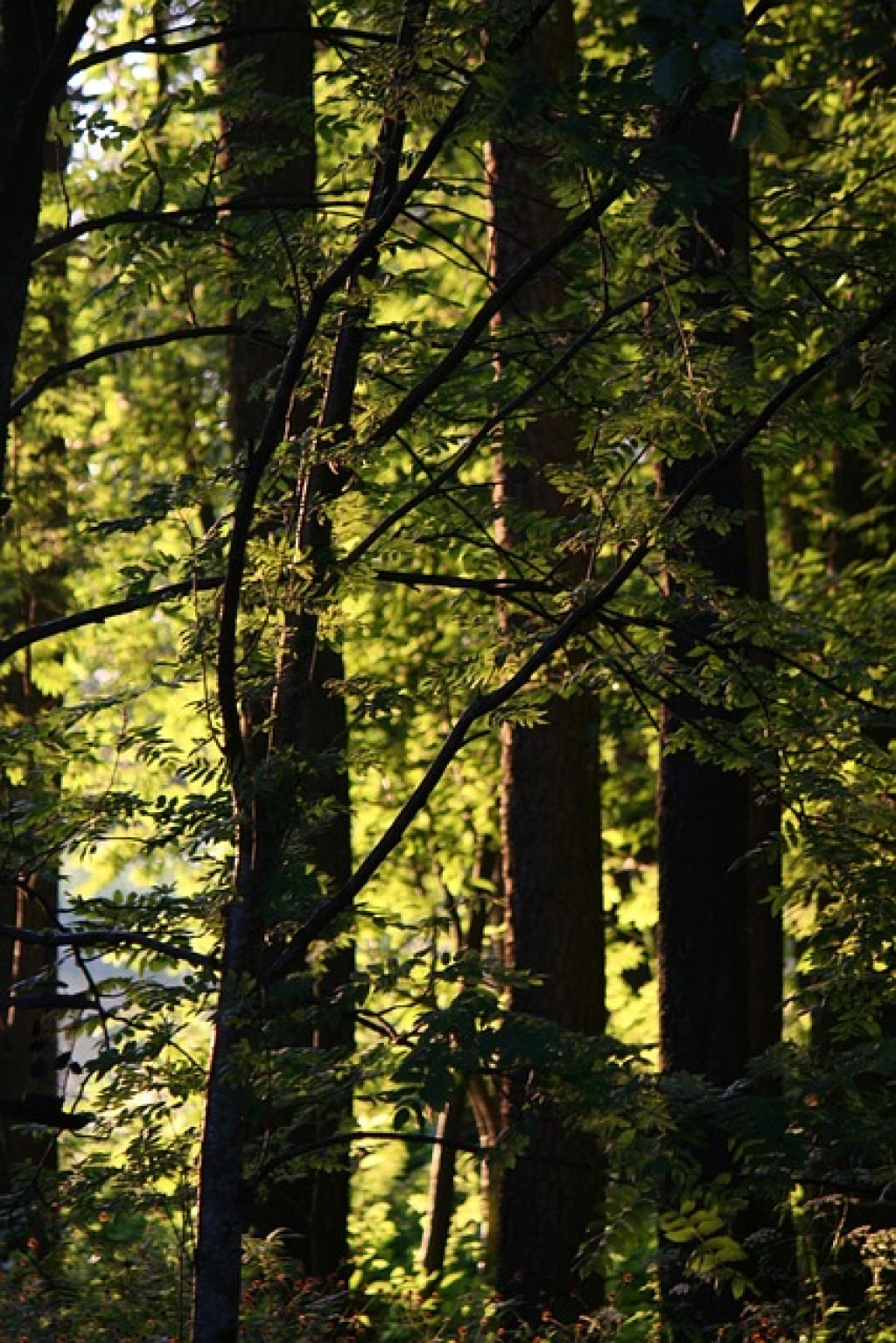
Across Canada, wildfires have grown larger, hotter, and more destructive in recent years. Alberta has been particularly affected, with some seasons burning close to a million hectares of land. One of the areas still recovering is the landscape surrounding Mistehae Lake in northern Alberta—a region that suffered intense damage during the 2019 McMillan wildfire. The fire swept through mature boreal stands, leaving behind vast tracts of scorched earth where natural regeneration has been slow or absent.
Through Evertreen, individuals and companies can help fund a reforestation project that aims to re-establish healthy forest cover in this fire-damaged environment. The initiative focuses on restoring native boreal tree species crucial for long-term biodiversity and ecological stability.
Rebuilding a Native Forest: Tree Species Being Planted
To restore the natural composition of Alberta’s boreal forest, reforestation efforts prioritize species that originally dominated the region. These include:
White Spruce (Picea glauca)
A keystone boreal species, White Spruce forms dense, long-lived stands that provide essential habitat for birds and large mammals. In many severely burned areas around Mistehae Lake, White Spruce has struggled to return naturally, making active replanting especially important.
Black Spruce (Picea mariana)
Well adapted to cold, moist soils, Black Spruce supports a wide range of wildlife and helps stabilize wetlands and muskeg areas. Its return is vital for restoring the diversity of boreal forest structure.
Jack Pine (Pinus banksiana)
This fire-adapted conifer typically regenerates well after burns, but in extremely high-severity fires—such as those in 2019—seed sources can be completely destroyed. Planting Jack Pine helps re-establish early-successional forest that shelters many small mammals and birds.
Trembling Aspen (Populus tremuloides)
A fast-growing deciduous species, Trembling Aspen plays a critical role in soil recovery, nutrient cycling, and creating shade that benefits understory vegetation. Its presence accelerates the return of a mixed-wood forest.
Balsam Poplar & Other Native Species
Including a small proportion of additional native species helps recreate a more natural forest mosaic, supporting insects, pollinators, and herbivores during different stages of regrowth.
The combination of these species is designed to rebuild a resilient, diverse forest that mirrors the natural ecosystem prior to the wildfire.
Helping Wildlife Return to a Recovering Landscape
The Mistehae Lake area supports an impressive range of wildlife, including several species considered threatened or sensitive in Alberta. Restoring forest cover contributes directly to the survival of:
Woodland Caribou, which rely on dense forest for shelter and reduced predator visibility.
Grizzly Bears, which depend on forest edges, berry shrubs, and intact watersheds.
Trumpeter Swans, which benefit from restored forest buffers that reduce human disturbance near nesting sites.
Canada Warbler and Common Nighthawk, two migratory songbirds whose populations have been declining across North America.
Even during early regrowth, young trees offer shade, wind protection, and perching or nesting opportunities. As the forest matures, habitat quality steadily improves, supporting a wide array of mammals, birds, amphibians, insects, and plant life.
Strengthening the Future of Alberta’s Forests
While the primary focus of this initiative is in northern Alberta, community-led restoration in other regions complements these efforts. In southern Alberta, volunteer groups have been planting native trees in conservation areas near Calgary, helping reconnect fragmented habitats and introduce future generations to hands-on ecological stewardship.
These activities play a vital role in rebuilding biodiversity and creating landscapes that are more resilient to climate change, drought, and future wildfire events.
This project represents a long-term investment in Canada’s natural heritage. The trees planted today will grow into forests that provide clean air, stable habitat, and climate benefits for generations.