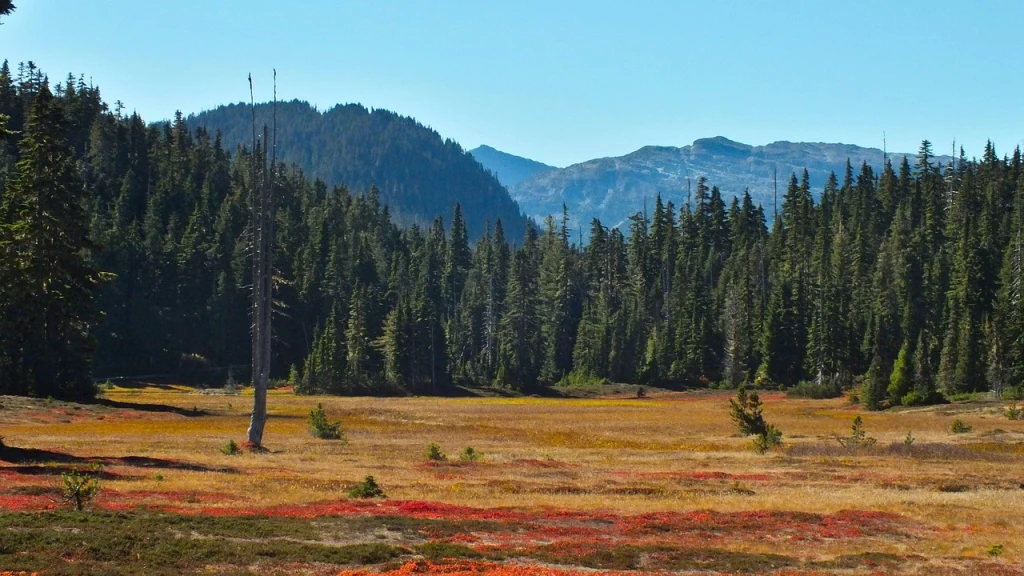
Restoration in Canada
 Canada

What you'll get
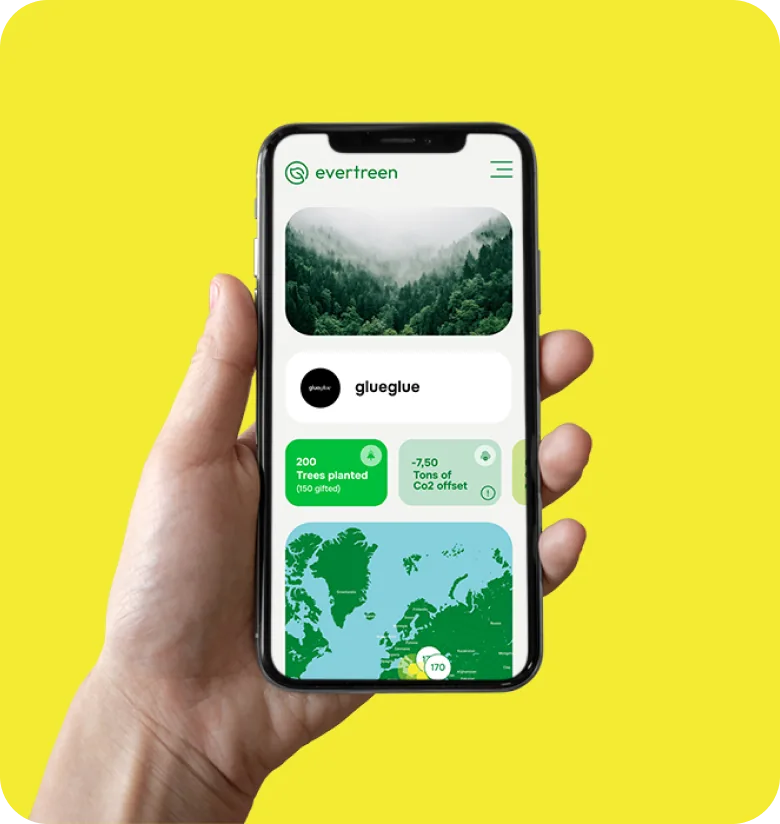
Public landing page
Our public forest profile showcases GPS coordinates, CO2 impact, and work hours created by your forest, including both trees planted and trees protected.
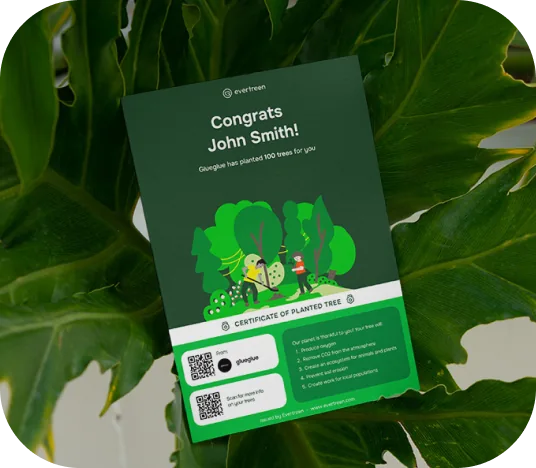
Certificate of planted or protected tree
An official document that serves as proof of your contribution to reforestation and restoration. It includes tree details and conservation info.
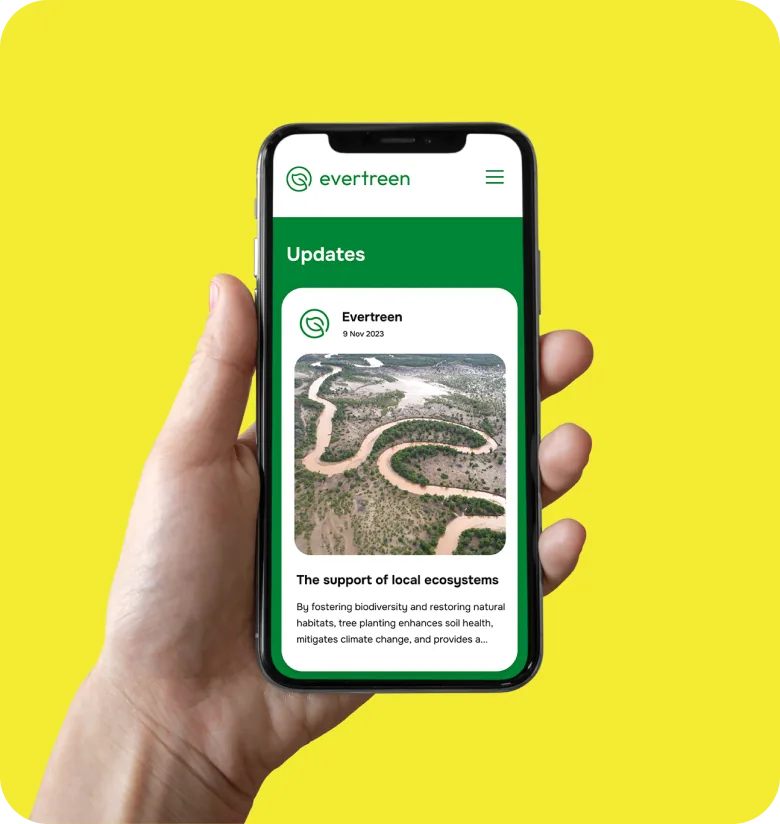
Project updates
Stay updated about the impact through dynamic videos showcasing the success of the trees you’ve helped plant and protect.
How to gift your trees
Choose your trees and schedule their planting or protection instantly
Log in to your account and navigate to the 'My Trees' section

Use your credit to generate your gift certificates

Send your gifts to family and friends!

About this project


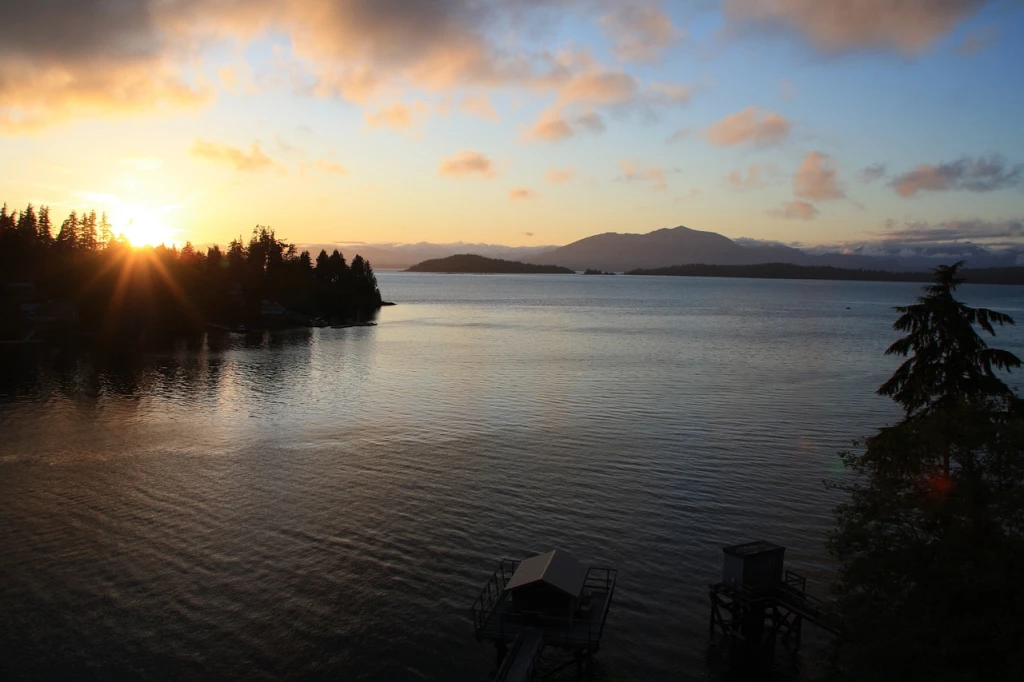
The temperate rainforests of British Columbia are among the most ecologically rich and carbon-dense ecosystems on Earth. These ancient forests, draped in moss and fed by ocean mists, provide a critical refuge for biodiversity, store vast amounts of carbon, and hold deep cultural significance for Indigenous communities. Yet for decades, many of these landscapes have faced pressure from industrial forestry, threatening to diminish their ecological value and accelerate greenhouse gas emissions.
This forest carbon project, is designed to change that trajectory. By converting operational forest lands into protected forest areas, the project safeguards old growth stands and ecologically sensitive habitats, while generating verified greenhouse gas (GHG) emission reductions and removals. The initiative spans multiple non-contiguous parcels along British Columbia’s coastline, encompassing Vancouver Island, Cortes Island, and Haida Gwaii, each a jewel of ecological and cultural importance.
On Vancouver Island, vast tracts of coastal temperate rainforest harbor some of the tallest trees in the world, including ancient Douglas firs, red cedars, and Sitka spruce that have stood for centuries. These giants not only store immense amounts of carbon, but also regulate water cycles, stabilize soils, and provide nesting habitat for species such as marbled murrelets and northern goshawks. Protecting these forests ensures that they continue to act as powerful carbon sinks while preserving habitat for species at risk.
To the north, Cortes Island represents a mosaic of lush forests and marine ecosystems that are deeply interwoven with local communities. The island’s forests support biodiversity ranging from salmon-bearing streams to migratory bird routes. They also provide essential ecosystem services, such as clean water and resilience against climate extremes. Through this project, significant areas of Cortes Island’s forestland will remain standing, ensuring that their ecological functions (and the cultural traditions tied to them) are not lost to logging.
Further along the coast lies Haida Gwaii, an archipelago often referred to as the “Galápagos of the North” for its extraordinary levels of endemism and biodiversity. Here, temperate rainforests meet rugged shorelines, creating one of the most unique ecological landscapes in Canada. Many species, such as the Haida Gwaii black bear, are found nowhere else in the world. For the Haida Nation and other Indigenous Peoples, these forests are not only a source of life but also central to cultural identity and heritage. Protecting these lands is therefore not just an environmental act, but a commitment to safeguarding cultural and spiritual landscapes for generations to come.
Across all three regions, the project protects old forests, ecologically significant areas, and culturally important lands that would otherwise be at risk of harvest. By avoiding deforestation and degradation, the initiative delivers measurable climate benefits through reduced carbon emissions, while also enabling natural carbon sequestration as these forests continue to grow. The Verified Carbon Standard ensures that these outcomes are rigorously measured, monitored, and verified according to internationally recognized benchmarks.
However, the benefits extend far beyond carbon. Conserving intact forests helps maintain watersheds that communities rely on for clean drinking water. It preserves biodiversity in one of the world’s richest temperate ecosystems. It enhances resilience against climate change impacts, such as flooding and landslides. And it honors the cultural and ecological values that make British Columbia’s coastal forests globally significant.
Crucially, these efforts are not isolated experiments. They are AFOLU (Agriculture, Forestry, and Other Land Use) carbon offsetting projects, certified under rigorous international standards such as the American Carbon Registry (ACR) and Verra (VCS). Independent verification ensures that every credit issued reflects measurable, additional, and permanent climate benefits.
Evertreen participates only as an intermediary, helping organizations and individuals around the world channel funding into these certified projects. By doing so, Evertreen enables businesses and citizens alike to contribute to meaningful, verifiable climate action while supporting the protection of most treasured forest landscapes.