

Forest Protection in the DRC
Safeguarding the Mai-Ndombe Forest: Protecting Biodiversity, Empowering Communities, and Combating Climate Change.
Introduction
The Democratic Republic of the Congo (DRC) houses the world's second-largest tropical rainforest, the Congo Basin, which plays a pivotal role in global climate regulation and biodiversity conservation.The Mai-Ndombe Forest Protection Initiative, led by Evertreen in collaboration with local partners, aims to safeguard these critical forests. This project is essential for preserving endemic species, maintaining climate stability, and supporting local communities' livelihoods.
The Importance of Protecting Mai-Ndombe's Forests
Ecological Benefits
Preserving the Mai-Ndombe forests ensures the continuation of essential ecological functions such as carbon sequestration, water regulation, and soil stabilization. These forests are home to diverse flora and fauna, including endangered species like the bonobo and forest elephant. Protecting these habitats is essential for maintaining biodiversity and ecosystem resilience.
Biodiversity Support
The Mai-Ndombe region's forests provide habitat for numerous species, including the bonobo and forest elephant. By protecting these ecosystems, Evertreen helps maintain the delicate balance necessary for these species to thrive.
Cultural and Economic Impact
The forests of Mai-Ndombe are integral to local culture and economy. By preserving these forests, Evertreen supports sustainable economic opportunities, such as eco-tourism and sustainable agroforestry, fostering economic growth and environmental stewardship.
Evertreen's Mai-Ndombe Forest Protection Initiative
Project Goals
The primary goal of the Mai-Ndombe Forest Protection Initiative is to prevent deforestation and forest degradation by implementing sustainable land management practices and promoting alternative livelihoods that reduce pressure on forest resources.
Community Involvement
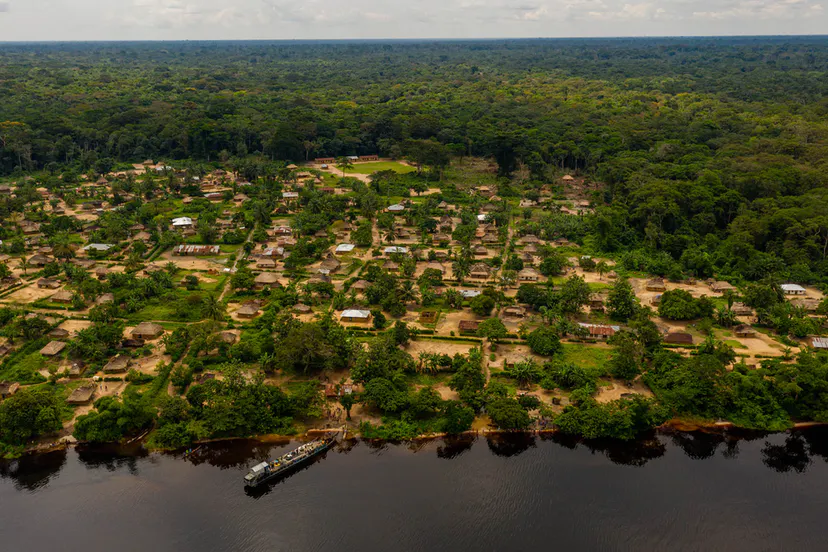
A key component of Evertreen’s initiative is involving local communities. Recognizing that their knowledge and participation are crucial for the project's success, Evertreen works closely with communities and NGOs. This collaboration supports conservation efforts and provides educational opportunities, fostering a sense of ownership and responsibility for the land.
Integrating Sustainable Practices
Evertreen’s project integrates sustainable practices to ensure long-term benefits. By promoting sustainable land management and educational workshops on conservation, the project empowers local communities to manage and protect the forests.
The Process of Forest Protection
Monitoring and Enforcement
Implementing effective monitoring and enforcement mechanisms is crucial. Evertreen collaborates with local authorities and communities to monitor forest areas, enforce protection laws, and prevent illegal activities such as unauthorized logging and poaching.
Promoting Sustainable Livelihoods
To reduce reliance on forest resources, Evertreen supports alternative livelihoods such as sustainable agriculture, agroforestry, and eco-tourism. These initiatives provide economic benefits to local communities while promoting conservation.
The Benefits of Protecting Mai-Ndombe's Forests
Carbon Sequestration
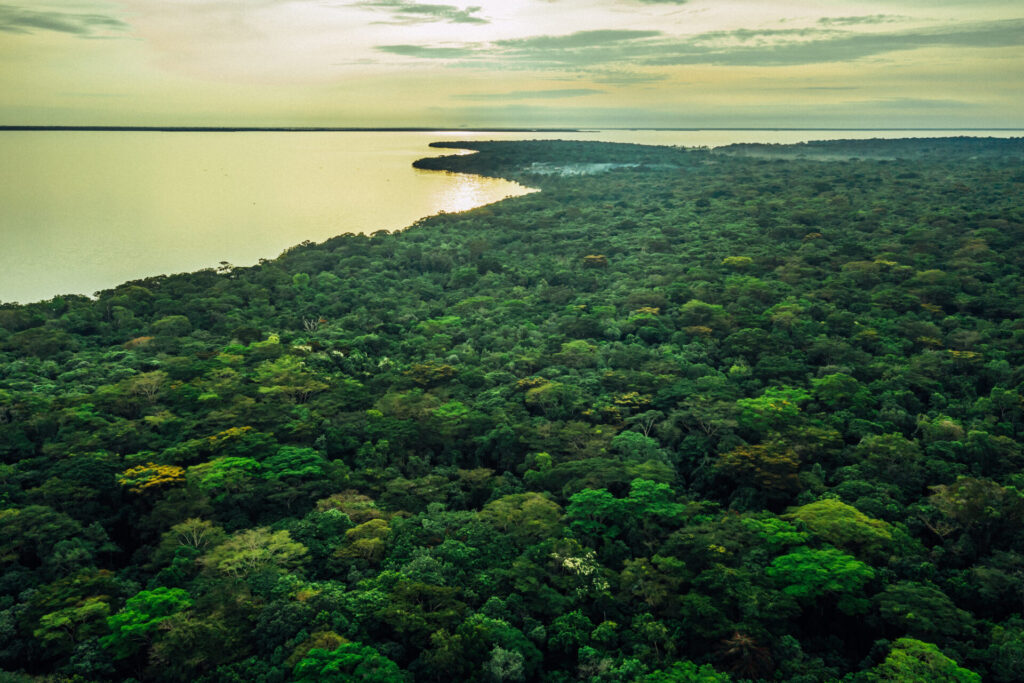
One of the most significant benefits of forest protection is carbon sequestration. Trees absorb carbon dioxide from the atmosphere and store it as biomass, helping to reduce greenhouse gases. This process is vital for mitigating climate change and achieving carbon neutrality.
Biodiversity Conservation
Evertreen's conservation efforts in Mai-Ndombe help protect biodiversity by maintaining habitats for a wide range of species. Preserving native vegetation supports a diverse array of plants, animals, and microorganisms, creating a balanced and resilient ecosystem. This biodiversity is essential for the health of the planet and the well-being of future generations.
Social and Economic Benefits
Evertreen's conservation projects also bring social and economic benefits. They create jobs in forest management and environmental education. Additionally, forests provide recreational opportunities and enhance the quality of life for local communities. The aesthetic and cultural value of preserved forest landscapes contributes to the overall well-being of society.
Challenges and Solutions
Overcoming Deforestation and Land Mismanagement
Deforestation and land mismanagement have been major drivers of environmental degradation in Mai-Ndombe. Evertreen’s project addresses these issues by promoting sustainable land management practices and providing alternative livelihoods for local communities. Education and awareness programs help communities understand the long-term benefits of sustainable land management.
Ensuring Long-Term Commitment
Ensuring long-term commitment to conservation projects is crucial. This requires continuous funding, community support, and effective management. Engaging local communities and stakeholders in the planning and implementation process helps build lasting support for these projects.
Combating Illegal Activities
Illegal activities such as unauthorized logging and poaching pose significant threats to conservation efforts. Evertreen’s project includes strategies for regular monitoring, early detection, and prompt action to ensure the health and protection of the forests.
Future Prospects for Forest Conservation in Mai-Ndombe
Expanding Conservation Efforts
The success of current conservation projects paves the way for expanding efforts across Mai-Ndombe. Identifying new areas for conservation and implementing similar projects in other regions will help protect even
Conclusion
Evertreen’s Mai-Ndombe Forest Protection Initiative represents a crucial step in safeguarding one of the world’s most vital ecosystems. By protecting existing forests, engaging local communities, and implementing sustainable conservation strategies, this initiative helps combat deforestation, preserve biodiversity, and mitigate climate change. Through collaborative efforts, Evertreen is ensuring that the Mai-Ndombe forests remain a thriving habitat for wildlife while providing economic and social benefits to local communities.
By combining forest conservation with sustainable development, this initiative highlights the power of environmental stewardship in creating a healthier planet for future generations. With continued support, the Mai-Ndombe project will serve as a model for forest protection efforts across the Democratic Republic of the Congo and beyond.
Support this project
