

Mataven REDD+ Project, Colombia
Discover how Evertreen helps protect 1.15 million hectares of standing rainforest at the meeting point of the Orinoco savannas and the Amazon, led by Indigenous peoples and an Indigenous Guard.
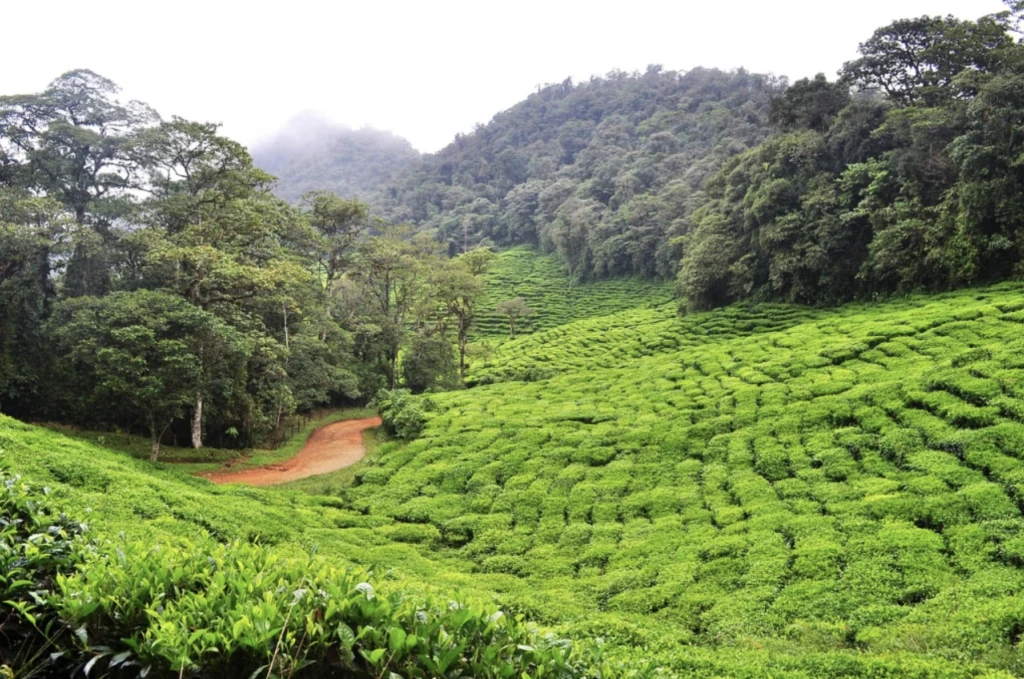 Matavén Project
Vichada Department, eastern Colombia
A 1,150,212-hectare Indigenous-governed reservation in eastern Colombia that protects standing rainforest at the meeting point of the Orinoco savannas and the Amazon from cattle expansion, illegal logging, and slash-and-burn agriculture.
Protect a tree in Colombia and support this project through Evertreen.
At a Glance
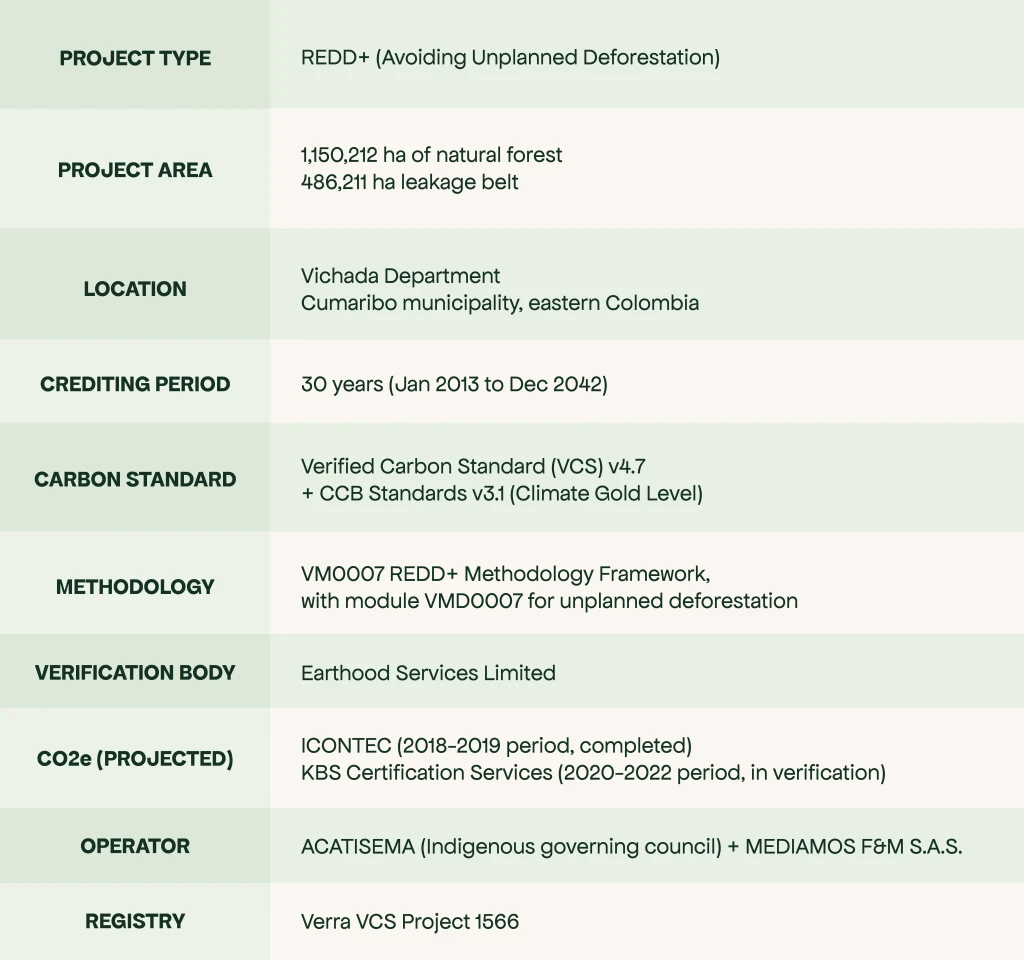
Project: Matavén REDD+ Project (VCS 1566)
Project type: REDD+ (Avoided Unplanned Deforestation) with Indigenous governance
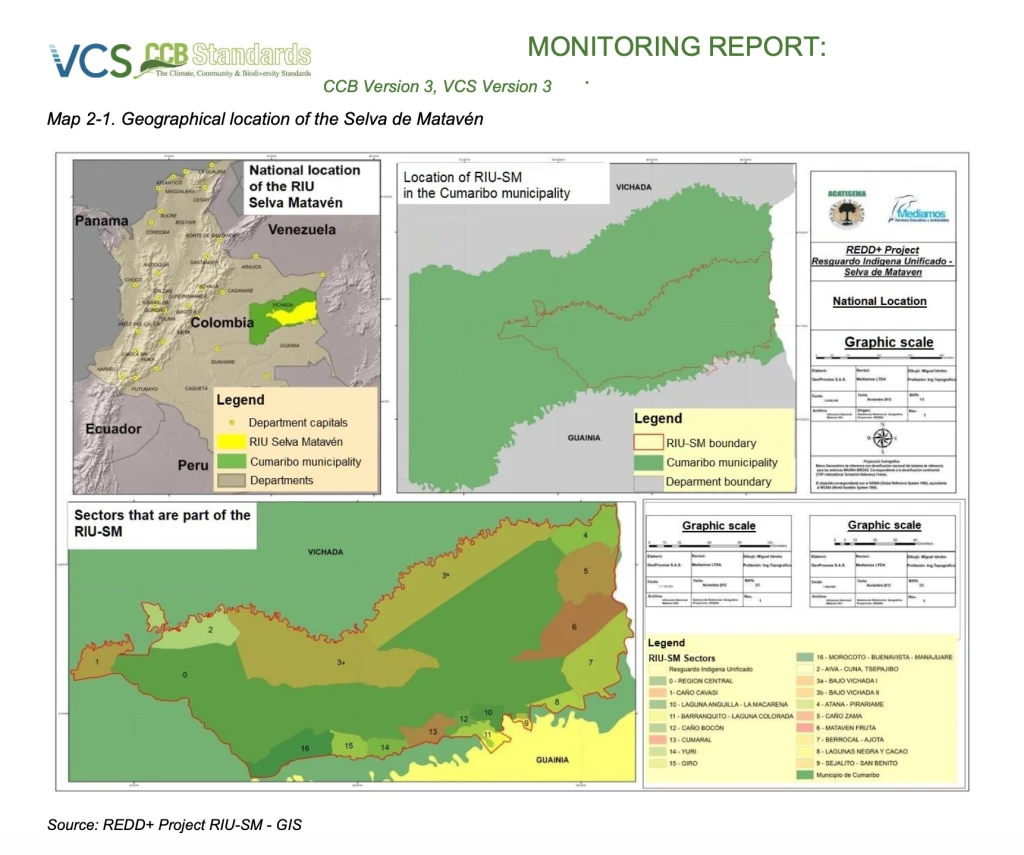
Location: Vichada Department, eastern Colombia (Resguardo Indígena Unificado de la Selva de Matavén)
Project area: 1,150,212 hectares + 1,444,805-hectare reference region
Crediting period: 30 years (project launched 2013)
Carbon standard: Verified Carbon Standard (VCS) + CCB Standards v3.1 (Climate Gold Level)
Methodology: VM0007 with module VMD0007 (Unplanned Deforestation)
Verifier: ICONTEC (2018-2019 verified, issued 19 July 2022); KBS Certification Services (2020-2022, in verification)
CO2e (verified 2018-2019): 9,117,132 tCO₂e net reductions (10,923,397 baseline − 1,806,265 project + leakage)
Operator: ACATISEMA (Indigenous governing council) + MEDIAMOS F&M S.A.S. (technical support)
Communities: Six Indigenous peoples across 17 sectors: Sikuani, Piaroa, Piapoco, Puinave, Curripaco, Cubeo
Registry: Verra VCS Project 1566
What This Forest Is Up Against
The Selva de Matavén sits at the meeting point of two of the most pressured ecosystems in South America: the Orinoco savannas to the north and the Amazon rainforest to the south. This is one of the last large blocks of intact transitional forest in the region. Outside the project boundary, deforestation is advancing through the same drivers that have hollowed out the rest of the Colombian Orinoco frontier: cattle expansion, illegal logging, unplanned burning, and slash-and-burn agriculture.
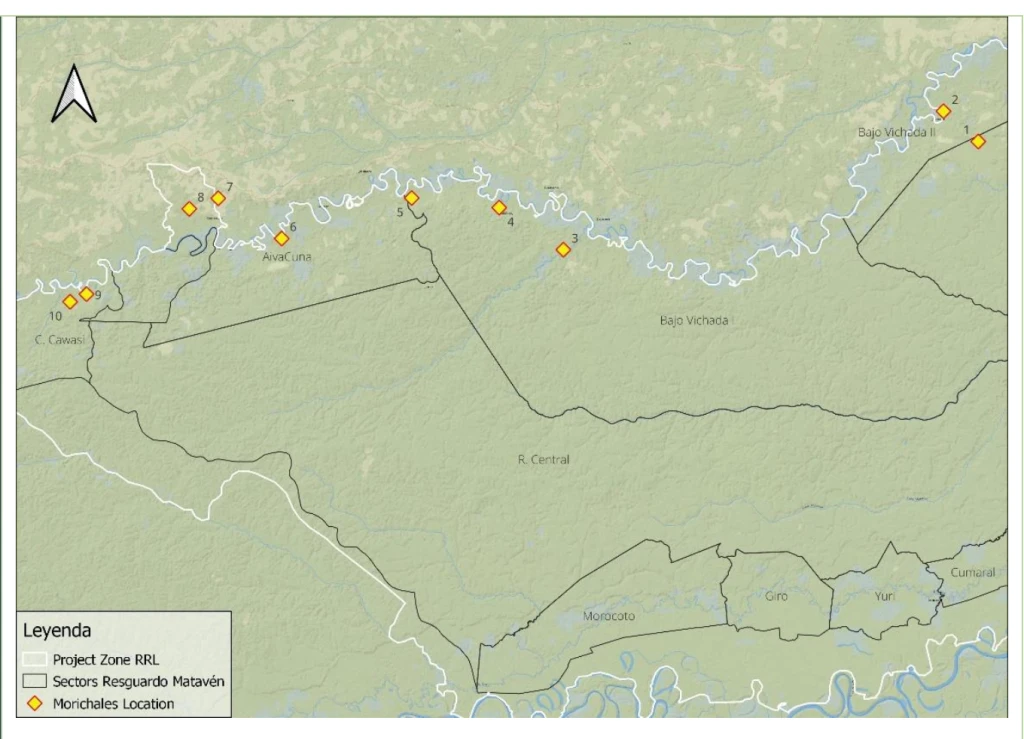
When fire moves through this terrain in the dry season, it does not stop at imaginary lines. Several morichal wetlands inside Matavén are dominated by the moriche palm (Mauritia flexuosa), a Vulnerable keystone species that anchors the water table for the surrounding forest. If those wetlands burn or drain, the gallery forests around them go next, and the wildlife that depends on them follows.
Without the project, the forest faces a slow attrition that adds up to a planetary problem. The South American tapir, the largest land mammal in South America and a Vulnerable species on the IUCN Red List, was photographed by the project's own camera traps in 2022. So was the giant armadillo, classified as Vulnerable. So were the white-lipped peccary and the giant anteater, both Vulnerable. Each of these animals needs continuous, undisturbed forest at scale. Every hectare lost narrows their range. Evertreen connects you to the people defending this place at the source.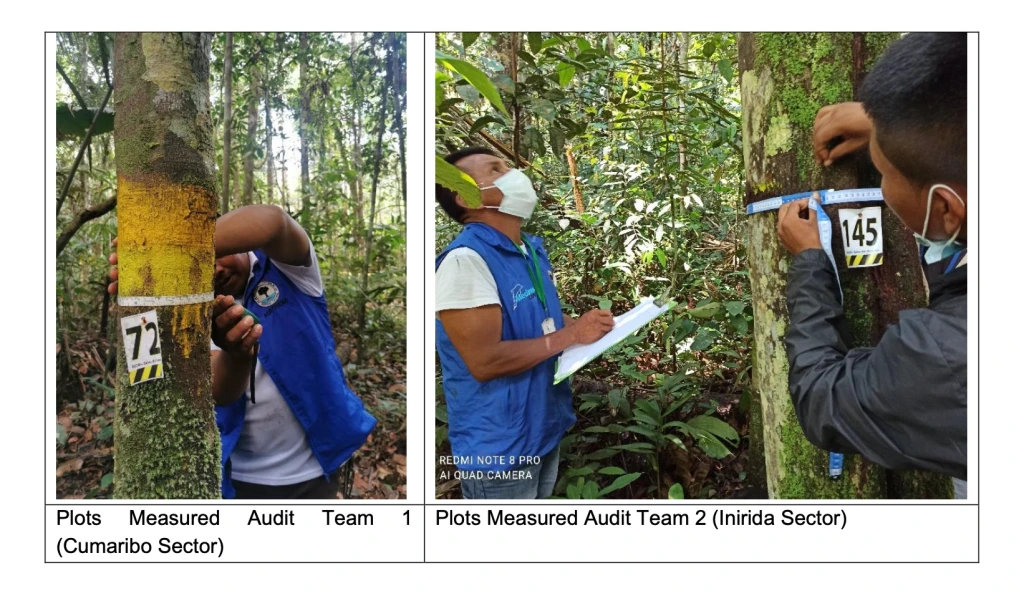
What the Project Does
When you support rainforest protection in Colombia through Evertreen, your contribution funds three areas of work:
Forest patrols led by an Indigenous Guard
The project funds and trains 312 Indigenous Guard members, one for each community across the 17 sectors of the Matavén reservation. They patrol the territory on foot and by river, monitor for illegal logging and unplanned fires, and report incidents to the relevant authorities. According to the project's own field reports, the Guard has documented and stopped multiple incursions during recent monitoring periods. This is a frontline conservation force operating across a forest larger than Jamaica.
Food security through agroforestry, not deforestation
The project supports family conucos, the traditional Indigenous farming plots, with cocoa, native fruit trees, and silvopastoral cattle systems. The aim is to give families a way to feed themselves and earn income without expanding into intact forest. Cattle is provided in measured numbers paired with technical training, so that animal husbandry replaces forest clearance. Fish farming, beekeeping, and handicraft training programmes round out the food security work.
Long-term governance and Indigenous Life Plans
Each of the six Indigenous peoples in the reservation is building a Life Plan: a written, collective vision for how they want their territory managed for generations to come. The Sikuani, Piaroa, Piapoco, Puinave, Curripaco, and Cubeo peoples each have their own plan in development. The project funds the workshops, the translation into native languages, and the institutional support needed to make these plans real. Evertreen sees governance as conservation infrastructure that lasts longer than any single programme.
Real Numbers, Real People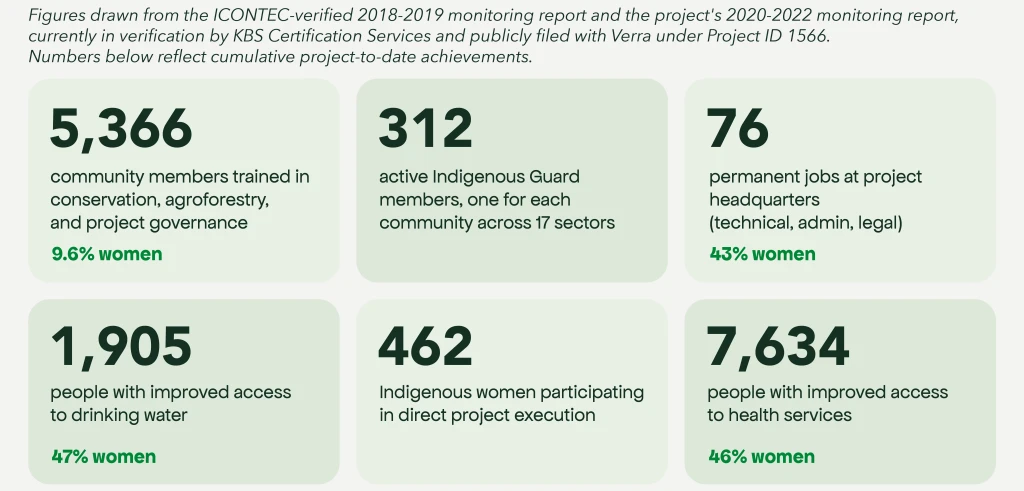
The Matavén project's verified impact across the reservation:
- 312 Indigenous Guard members trained, one per community across 17 sectors
- 5,366 community members trained in conservation and project governance
- 7,634 people with improved access to health services
- 1,905 people with improved access to drinking water
- 76 full-time permanent staff at project headquarters (43% women)
- 9,117,132 tCO₂e in verified net emission reductions (2018-2019 monitoring period)
Beyond the numbers: the project built a health post in the Yury community, delivered school supplies across the reservation during the pandemic, funded transport motorcycles in remote sectors so inhabitants could reach regional services, and trained indigenous captains and guards on land rights and territorial monitoring.
A Globally Significant Refuge
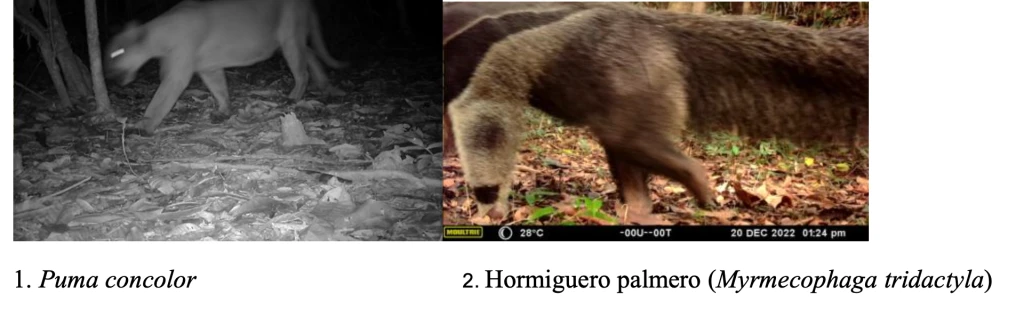
The Matavén forest is one of the last places in the Colombian Orinoco where you can still find continuous habitat for the largest land mammals in South America. The South American tapir (Tapirus terrestris), the largest land mammal in South America and a Vulnerable species on the IUCN Red List, was photographed inside the project area by the project's own camera traps in 2022. So was the puma (Puma concolor), the giant anteater (Myrmecophaga tridactyla, IUCN Vulnerable), the white-lipped peccary (Tayassu pecari, IUCN Vulnerable), and the giant armadillo (Priodontes maximus, IUCN Vulnerable). The endemic-to-Colombia rodent Proechimys cf. oconelli has also been confirmed at the site.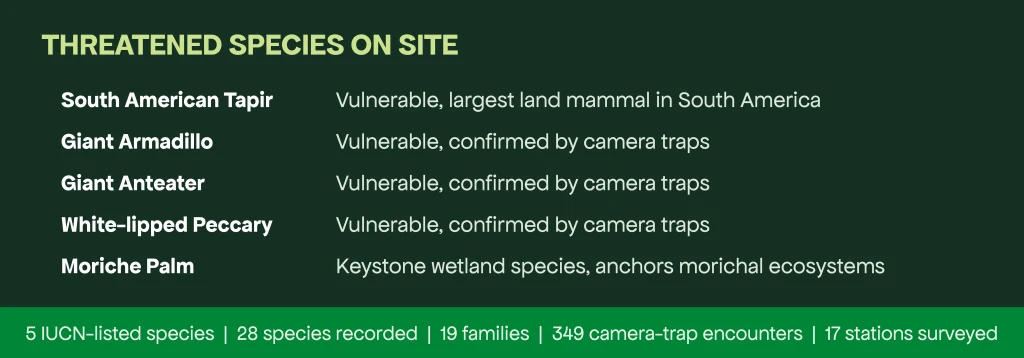 Above the forest floor, Matavén shelters threatened birds including the Channel-billed Toucan, the Great Tinamou, and the Blackpoll Warbler. The almost-endemic woodpecker Picumnus pumilus has been recorded here too. In the rivers, the Vulnerable Altum Angelfish, prized in the global aquarium trade, swims in its native blackwater habitat.
The forest itself protects trees and wetland species identified in the project's biodiversity baseline and in the 2022 inventory work funded directly by the project: the Critically Endangered (Colombian Red Book) tree Humiriastrum procerum, the IUCN Endangered Pachira quinata, and the Vulnerable moriche palm Mauritia flexuosa that holds the morichal ecosystems together.
How the Carbon Numbers Work
Evertreen shares this level of detail because transparency matters. The CO₂e figures for this REDD+ conservation project are projections calculated under VCS Methodology VM0007 with module VMD0007 (unplanned deforestation), not direct measurements of the atmosphere. Here is how it works.
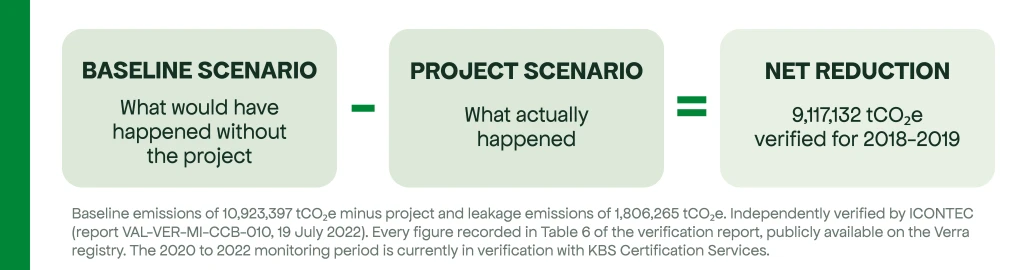 The methodology compares two scenarios. The baseline models what would have happened to the forest without the project, estimated from observed deforestation patterns in a surrounding reference region (1,444,805 hectares) that reflects the same pressures: cattle expansion, illegal logging, and slash-and-burn agriculture at the Orinoco frontier. The project scenario tracks what actually happened inside the 1,150,212-hectare project area: measured forest cover and project-side emissions during the monitoring period.
For the 2018-2019 monitoring period, the modelled baseline came to 10,923,397 tCO₂e (4,422,586 in 2018 and 6,500,811 in 2019). Project-scenario emissions plus verified leakage outside the project boundary added up to 1,806,265 tCO₂e. The difference, 9,117,132 tCO₂e, is the net verified emission reduction, independently confirmed by ICONTEC. Every figure in this calculation is recorded in Table 6 of the verification report, which is publicly available on the Verra registry.
The project's 2020-2022 monitoring period is currently in verification with KBS Certification Services. For the most current issuance data, check the Verra registry directly.
Independently Verified
Evertreen selects projects that meet independent verification standards. When you support conservation through our platform, the numbers behind your contribution have been independently audited by an accredited third party.
Every hectare protected helps keep 1.15 million hectares of Colombian rainforest standing, supporting six Indigenous peoples, safeguarding the tapir and the giant anteater, and keeping carbon where it belongs: in the forest.
Protect trees in Colombia through Evertreen.
Frequently Asked Questions
Can I support rainforest conservation in Colombia through Evertreen? Yes. Evertreen offers rainforest conservation in Colombia. Your contribution supports the Matavén Project, one of the largest Verra-certified Indigenous-led REDD+ projects in the world, protecting 1.15 million hectares of transitional Orinoco-Amazon rainforest.
Is Evertreen a good option for corporate tree planting? Yes. Evertreen works with companies like PwC, HP, NTT Data, and Iberdrola. Corporate plans start at 100 trees per month. Every tree is satellite-monitored and you receive a public impact page you can embed on your website.
How does Evertreen verify its projects? Evertreen selects projects that are backed by independent third-party verification. For this project, all data comes from audited monitoring reports and is publicly available on the Verra registry under Project ID 1566. Evertreen does not own or operate the projects directly. We act as the platform that connects you to certified conservation work.
Can I gift trees linked to this project? Yes. Evertreen offers digital gift certificates for conservation contributions in Colombia and 35+ other countries. It is a meaningful, lasting gift that supports real conservation.
Who lives in the Matavén reservation? Six Indigenous peoples share the reservation: the Sikuani, Piaroa, Piapoco, Puinave, Curripaco, and Cubeo. They are organised into 312 communities across 17 sectors. Each of the six peoples is developing its own Life Plan, a written collective vision for how the territory should be managed for future generations. The project funds these planning processes in the relevant Indigenous languages.
Have more questions about how Evertreen works? Visit our FAQ.
Reviewed by Evertreen. Last updated: May 2026.
Sources: ICONTEC Verification Report VAL-VER-MI-CCB-010 (19 July 2022) covering the 2018-2019 monitoring period; 2020-2022 Monitoring Report DRAFT (30 April 2024), currently in verification by KBS Certification Services Pvt. Ltd.; Verra Registry Project ID 1566; IUCN Red List of Threatened Species; biodiversity inventory conducted by biologist David Marin with project communities (2022). CO₂e figures reported as verified relate to the 2018-2019 ICONTEC-verified monitoring period. The Matavén Project is operated by ACATISEMA (the Indigenous governing council of the Resguardo Indígena Unificado de la Selva de Matavén) and MEDIAMOS F&M S.A.S. Evertreen enables you to support this certified project. Evertreen does not own or operate the project directly.
Support this project
