

Nepalese Himalayan Reforestation Project
Discover how Evertreen's Nepalese Himalayan Reforestation Project is restoring the forests of the Himalayas, promoting sustainability, and engaging local communities.
Introduction
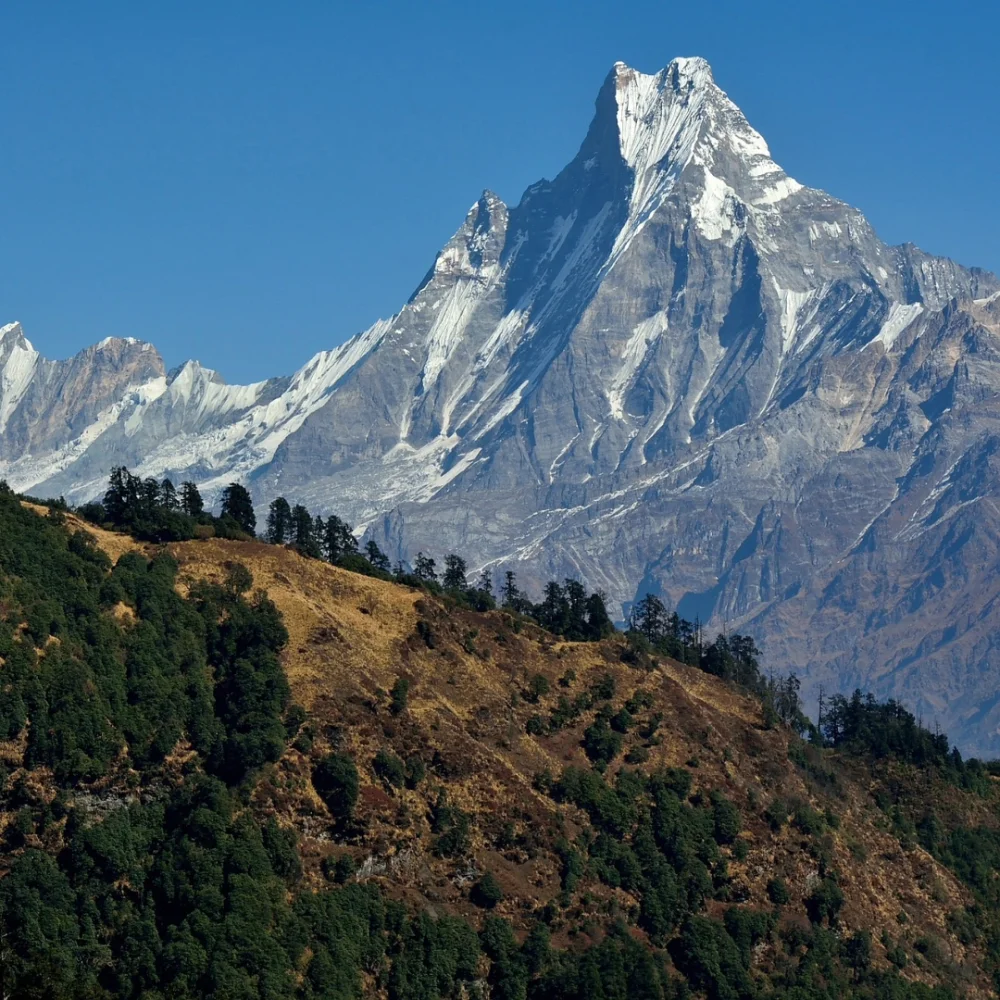
Nepal's Himalayan region, known for its breathtaking natural beauty and rich cultural heritage, is facing a severe deforestation crisis. Vast areas of woodland are disappearing due to land conversion and resource exploitation. The Nepalese Himalayan Reforestation Project, led by Evertreen in partnership with local organizations, addresses this challenge by replanting trees on a large scale, restoring forests and the vital ecosystem services they provide.
The Importance of Reforesting the Himalayan Region
Ecological Benefits
Reforesting the Himalayan region offers numerous ecological benefits. Evertreen's initiative focuses on planting native species such as rhododendrons and Himalayan pines, which help restore natural habitats essential for local biodiversity. These trees support endangered species like the snow leopard and red panda, and contribute to watershed conservation and soil stabilization.
Climate Resilience
Nepal's forests play a crucial role in sequestering carbon and mitigating climate change. By increasing forest cover in this sensitive region, Evertreen helps buffer the delicate high-altitude ecosystems against the uncertainty of shifting weather patterns, enhancing their resilience to climate change.
Cultural and Economic Impact
The forests of the Himalayas are integral to the local culture and economy. By restoring these forests, Evertreen supports sustainable economic opportunities such as eco-tourism and the sustainable harvest of medicinal and aromatic plants. These efforts help foster economic growth and environmental stewardship.
Evertreen's Nepalese Himalayan Reforestation Project
Project Goals
The primary goal of the Nepalese Himalayan Reforestation Project is to restore degraded forest areas by planting native tree species. This approach helps recreate the natural structure of the forests, promoting biodiversity and ecological balance.
For more details on our projects, visit the page dedicated to reforestation projects in Nepal.
Community Involvement
A key part of Evertreen’s initiative is involving local communities. Recognizing that their knowledge and participation are crucial for the project's success, Evertreen works closely with local forestry services, schools, and volunteers. This collaboration supports the reforestation efforts and provides educational opportunities, fostering a sense of ownership and responsibility for the land.
Integrating Sustainable Practices
Evertreen’s project integrates sustainable practices to ensure that the reforestation efforts provide long-term benefits. By promoting sustainable land management and offering educational workshops on conservation, the project empowers local communities to manage and protect the restored areas.
The Process of Reforestation
Site Selection
Choosing the right sites for reforestation is crucial. Evertreen’s Nepalese Himalayan Reforestation Project focuses on areas heavily impacted by deforestation and land mismanagement. These sites are carefully assessed to ensure they are suitable for planting and that the reintroduced species will thrive.
Planting Native Species
Selecting native species is central to Evertreen’s reforestation efforts. By planting trees that are part of Nepal's natural history, such as rhododendrons and Himalayan pines, the project aims to recreate the natural ecosystem, promoting biodiversity and ecological resilience.
Sustainable Forestry Techniques
To ensure the survival of newly planted trees, Evertreen employs sustainable forestry techniques such as selective thinning and controlled burns. These methods help maintain a healthy forest structure, reduce the risk of wildfires, and promote the growth of native species.

The Benefits of Reforesting the Himalayan Region
Carbon Sequestration
One of the most significant benefits of reforestation is carbon sequestration. Trees absorb carbon dioxide from the atmosphere and store it as biomass, helping to reduce greenhouse gases. This process is vital for mitigating climate change and achieving carbon neutrality.
Biodiversity Conservation
Evertreen's reforestation efforts in Nepal help conserve biodiversity by providing habitats for a wide range of species. Reintroducing native vegetation supports a diverse array of plants, animals, and microorganisms, creating a balanced and resilient ecosystem. This biodiversity is essential for the health of the planet and the well-being of future generations.
Social and Economic Benefits
Evertreen's reforestation projects also bring social and economic benefits. They create jobs in tree planting, forest management, and environmental education. Additionally, forests provide recreational opportunities and enhance the quality of life for local communities. The aesthetic and cultural value of restored forest landscapes contributes to the overall well-being of society.
Challenges and Solutions
Overcoming Deforestation and Land Mismanagement
Deforestation and land mismanagement have been major drivers of environmental degradation in Nepal. Evertreen’s project addresses these issues by promoting sustainable land management practices and providing alternative livelihoods for local communities. Education and awareness programs help communities understand the long-term benefits of sustainable land management.
Ensuring Long-Term Commitment
Ensuring long-term commitment to reforestation projects is crucial. This requires continuous funding, community support, and effective management. Engaging local communities and stakeholders in the planning and implementation process helps build lasting support for these projects.
Combating Invasive Species
Invasive species pose a significant threat to reforestation efforts. Evertreen’s project includes strategies for regular monitoring, early detection, and prompt removal of invasive species to ensure the health and growth of newly planted forests.
Future Prospects for Reforestation in Nepal
Expanding Reforestation Efforts
The success of current reforestation projects paves the way for expanding efforts across Nepal. Identifying new areas for reforestation and implementing similar projects in other regions will help restore even more forest landscapes.
Promoting Environmental Awareness
Environmental awareness is crucial for the long-term success of reforestation efforts. Educating the public about the importance of reforestation and the benefits of restoring native vegetation helps build lasting support for these projects. Educational programs and awareness initiatives are essential for promoting a conservation mindset.
Conclusion
Evertreen's Nepalese Himalayan Reforestation Project represents a crucial step toward healing our environment and ensuring a sustainable future. Through the planting of resilient native species, community involvement, and integration of indigenous knowledge with modern techniques, Evertreen is creating resilient and sustainable landscapes that benefit both the ecosystem and local communities. By combining biodiversity conservation with carbon sequestration and economic benefits, this reforestation initiative is a testament to the power of collaborative conservation efforts.

Support this project
