

Reforestation in Czech Republic
Discover how Evertreen's Brno Forest Renewal Initiative is restoring native woodlands in Central Europe, strengthening biodiversity, and empowering local communities.
Introduction
The forests of the Czech Republic are vital to Central Europe’s biodiversity, yet many areas near Brno have suffered from deforestation, climate stress, and invasive pests. Evertreen's Brno Forest Renewal Initiative is dedicated to revitalizing these forests by planting climate-resilient native species and supporting sustainable forest management.
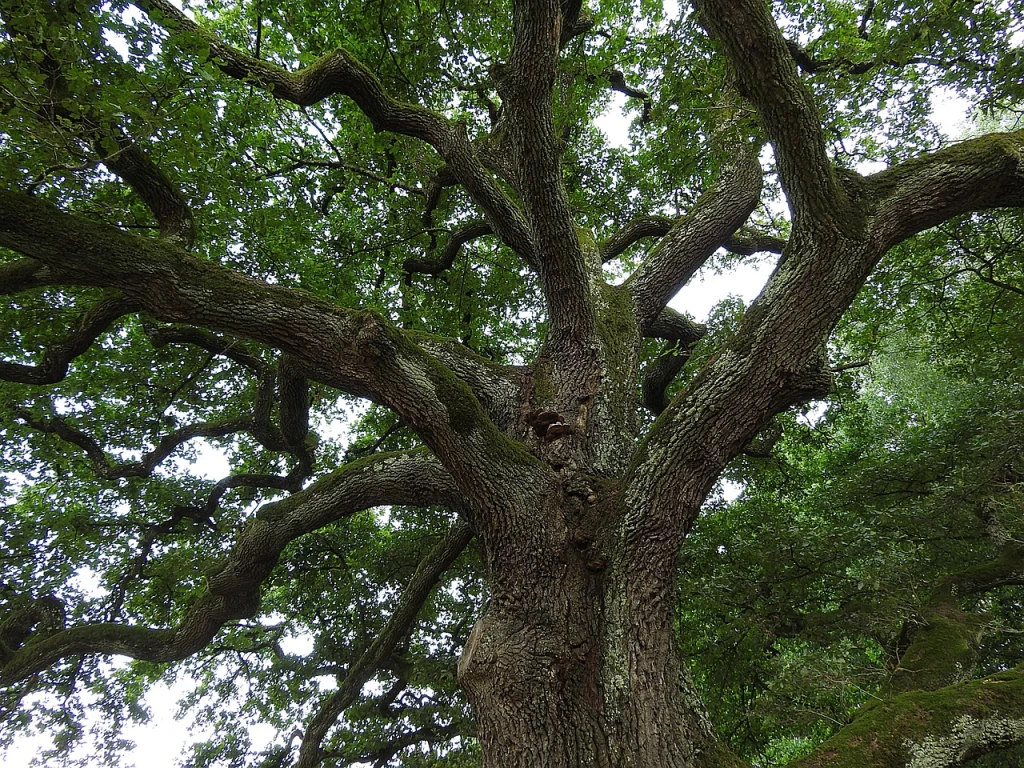
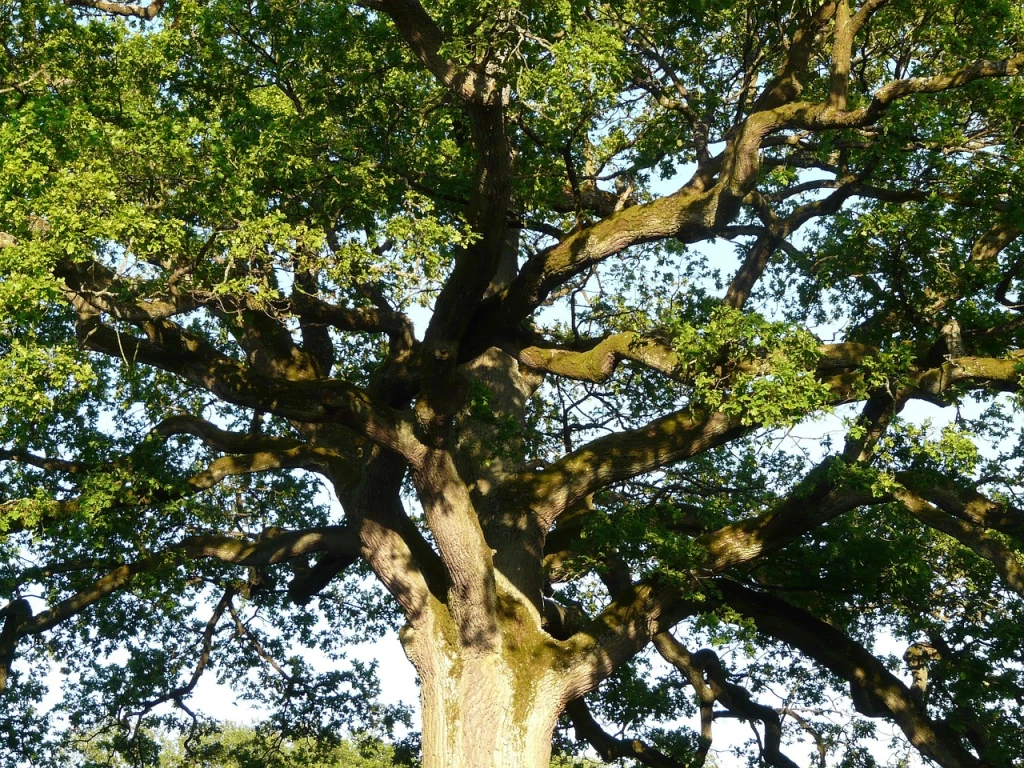
This project contributes to the restoration of critical woodland ecosystems and plays a role in mitigating the effects of climate change. By reintroducing species such as English oak (Quercus robur), Süntel beech (Fagus sylvatica var. suentelensis), Douglas fir (Pseudotsuga menziesii), and Norway spruce (Picea abies), the initiative works toward building a greener, healthier future for both people and the planet.
The Importance of Reforesting Central European Forests
Ecological Benefits
Forests near Brno are home to diverse wildlife and play a critical role in maintaining ecological balance. Restoring these forests ensures the survival of native flora and fauna while improving soil quality, regulating water cycles, and reducing erosion. The chosen tree species support rich ecosystems that once thrived in this part of Europe.
Climate Resilience
With increasingly unpredictable weather patterns across Europe, reforestation strengthens climate resilience. Trees absorb carbon dioxide and buffer communities from the impacts of climate extremes. Planting diverse, native species enhances the forest’s ability to withstand drought, storms, and pests.
Cultural and Economic Impact
Forests are deeply embedded in Czech culture and heritage. By restoring degraded woodlands, the Brno Forest Renewal Initiative preserves cultural landscapes while providing green jobs and educational opportunities. The project promotes sustainable forestry that supports the local economy and encourages responsible environmental stewardship.
Evertreen's Brno Forest Renewal Initiative
Project Goals
The primary goal of this project is to restore degraded and under-managed forest areas in the South Moravian Region through the planting of native and naturalized tree species. By rebuilding the forest structure, the initiative supports biodiversity, ecological functionality, and carbon storage.
Community Involvement
Local involvement is central to the project's success. Evertreen collaborates with forestry experts, community leaders, schools, and volunteers to carry out planting activities and long-term care. Engaging local communities fosters environmental responsibility and builds strong connections between people and nature.
Integrating Sustainable Practices
The project integrates sustainable land management strategies, including site-specific planting plans, monitoring, and education. By training local workers and providing ongoing support, the initiative ensures that the newly planted forests will thrive for generations to come.
The Process of Reforestation
Site Selection
Planting sites are selected based on ecological need and restoration potential. The Brno area, impacted by monocultures and disease outbreaks, offers an opportunity to reintroduce diverse, resilient tree species and create healthier forests.
Planting Native Species
Carefully selected species—including English oak, Süntel beech, Douglas fir, and Norway spruce—reflect the natural forest composition of the region. These species are chosen for their adaptability, ecological value, and contribution to forest regeneration.
Sustainable Forestry Techniques
Evertreen applies sustainable techniques such as selective planting, natural regeneration, and adaptive management to maintain healthy growth. These practices improve forest structure and help maintain a balanced ecosystem over the long term.
The Benefits of Reforesting the Czech Republic
Carbon Sequestration
Trees capture carbon dioxide and help reduce the impact of greenhouse gas emissions. Forests in Central Europe have enormous potential to support Europe’s climate neutrality goals.
Biodiversity Conservation
Restored forests provide habitat for birds, mammals, insects, and fungi, some of which are unique to this region. By increasing tree species diversity, Evertreen fosters ecosystems that are more resilient to environmental pressures.
Social and Economic Benefits
The project generates green employment, supports local forestry industries, and enhances public access to healthy forest environments. Restored woodlands also improve mental well-being, recreation, and the quality of life for local residents.
Challenges and Solutions
Combating Monocultures and Pests
Years of monoculture planting and pest outbreaks—especially bark beetle infestations—have weakened Czech forests. Evertreen addresses this by planting mixed-species forests that are more resistant to disease and climate change.
Ensuring Long-Term Sustainability
Long-term success depends on continued care and monitoring. By involving local foresters and institutions, Evertreen builds in long-term stewardship from the start.
Adapting to Climate Change
Species selection is informed by climate modeling to ensure the trees planted today will thrive in tomorrow’s climate. The project’s adaptive approach ensures ecological success in a changing world.
Conclusion
Evertreen’s Brno Forest Renewal Initiative is an important step toward healing Central Europe’s forests and building a sustainable future. By planting native species, supporting biodiversity, engaging communities, and promoting sustainable forestry, this project is making a meaningful impact. Together, we’re restoring the green heart of Europe—one tree at a time.
Support this project
