

Reforestation in Madagascar
Discover how Evertreen's Madagascar Reforestation Project is restoring critical ecosystems, combating deforestation, and supporting local communities for a sustainable future.
Introduction
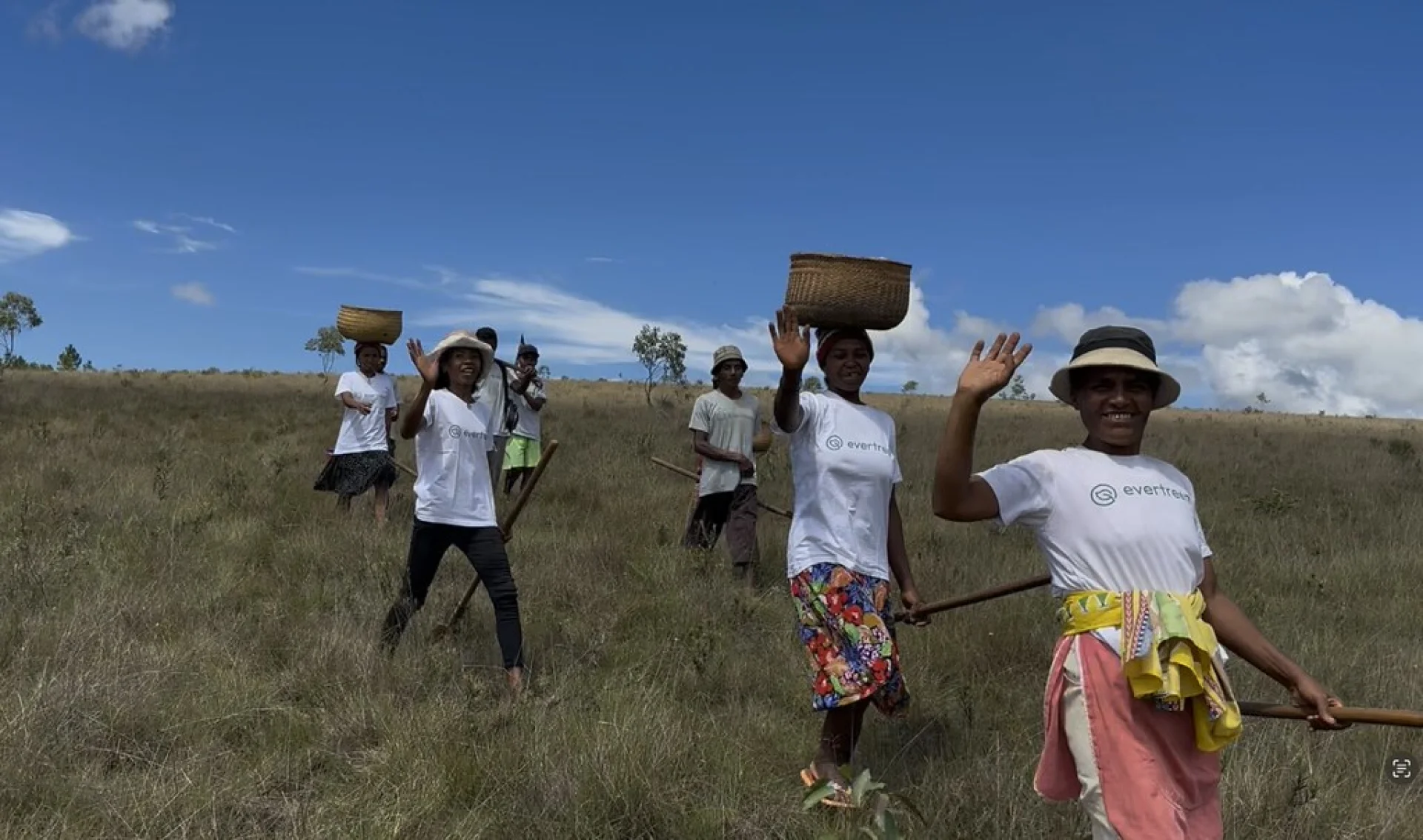
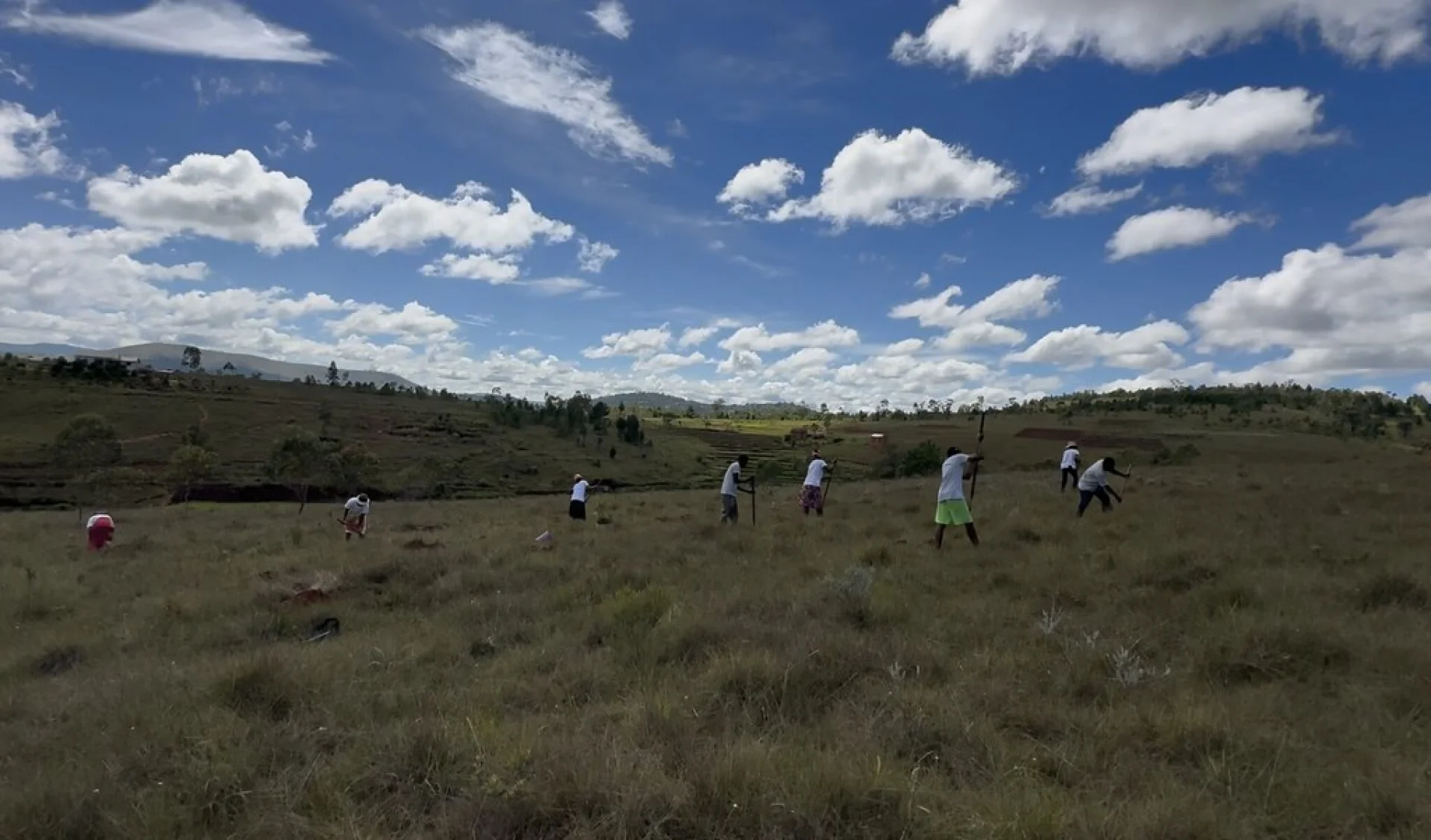
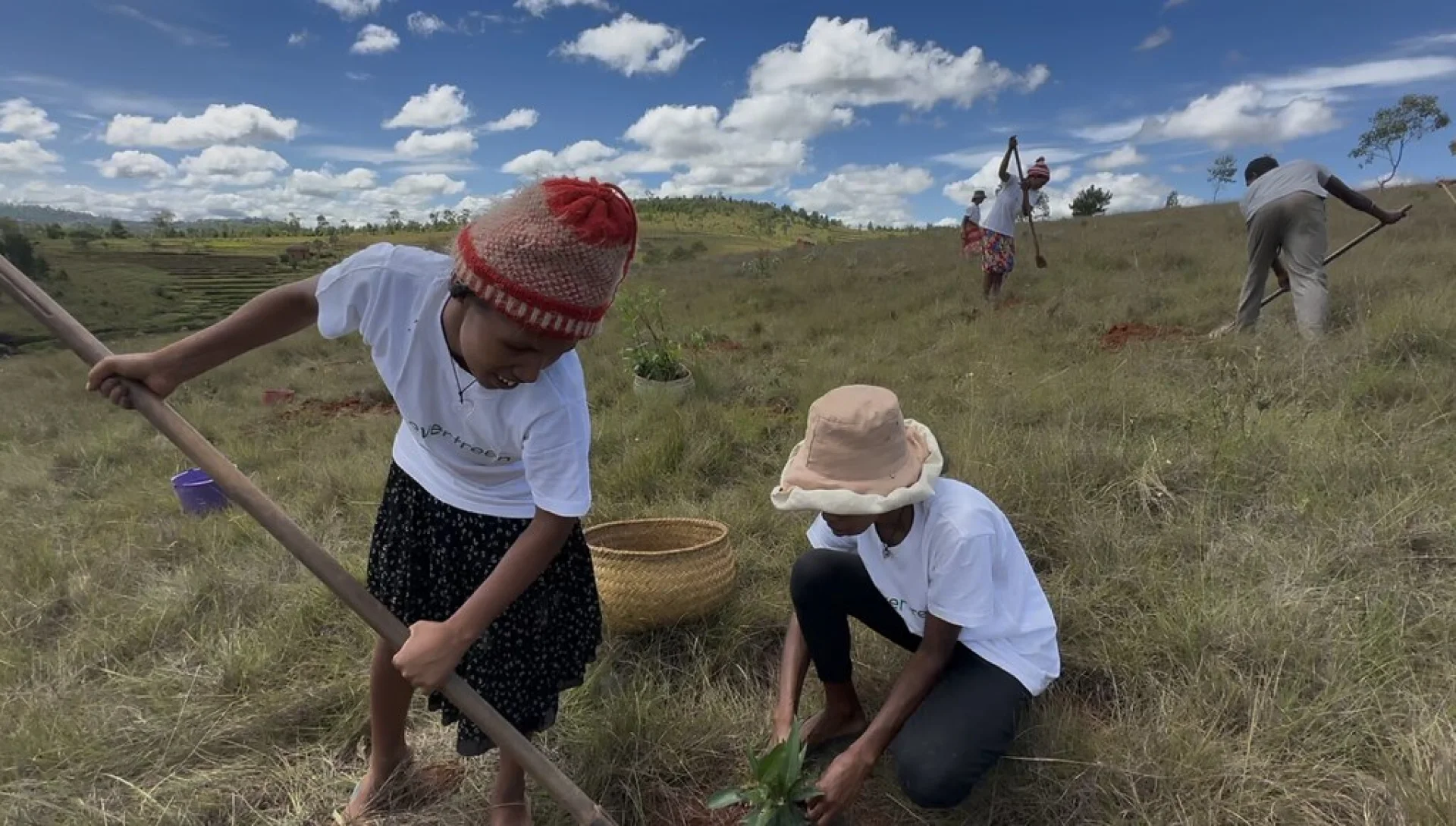
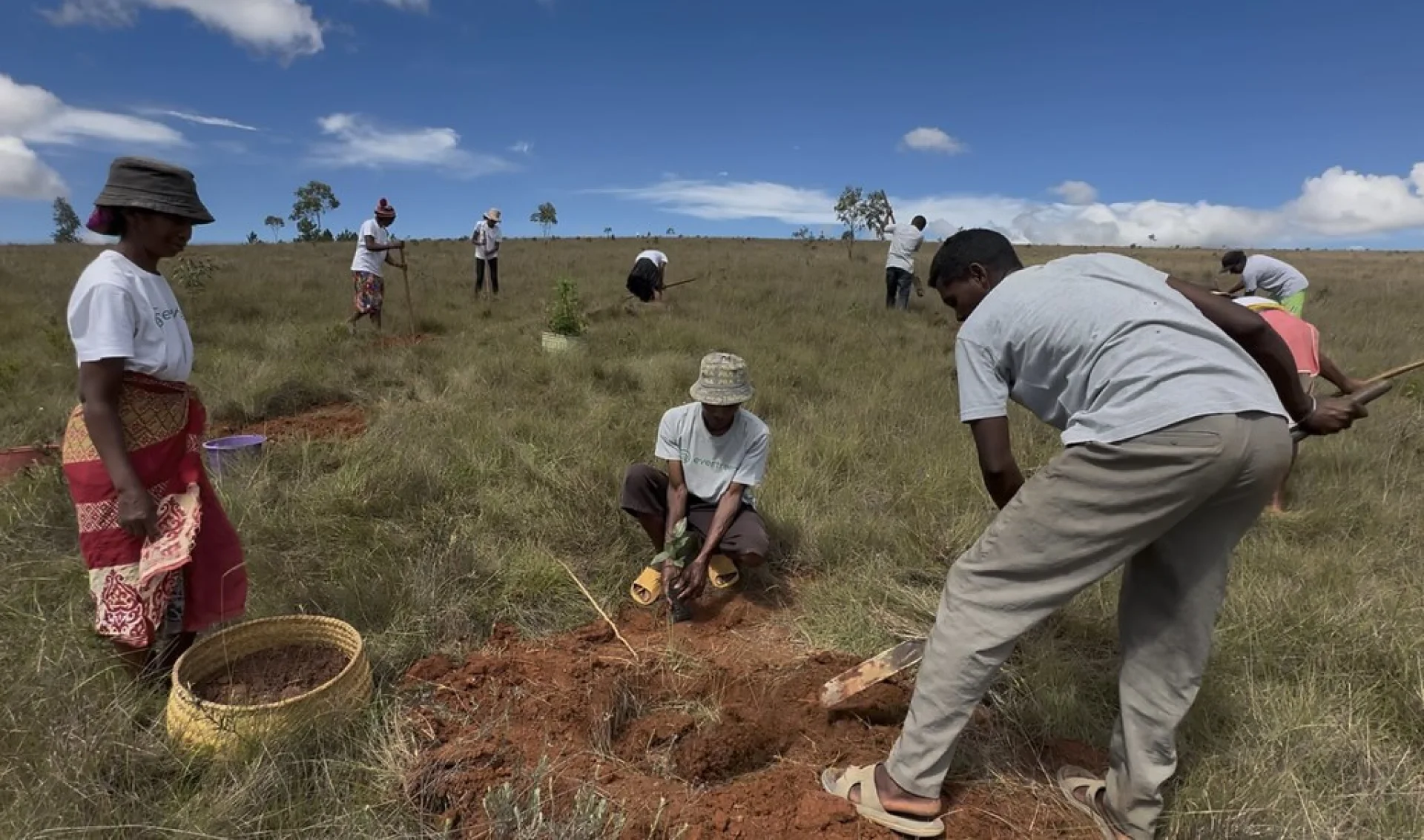
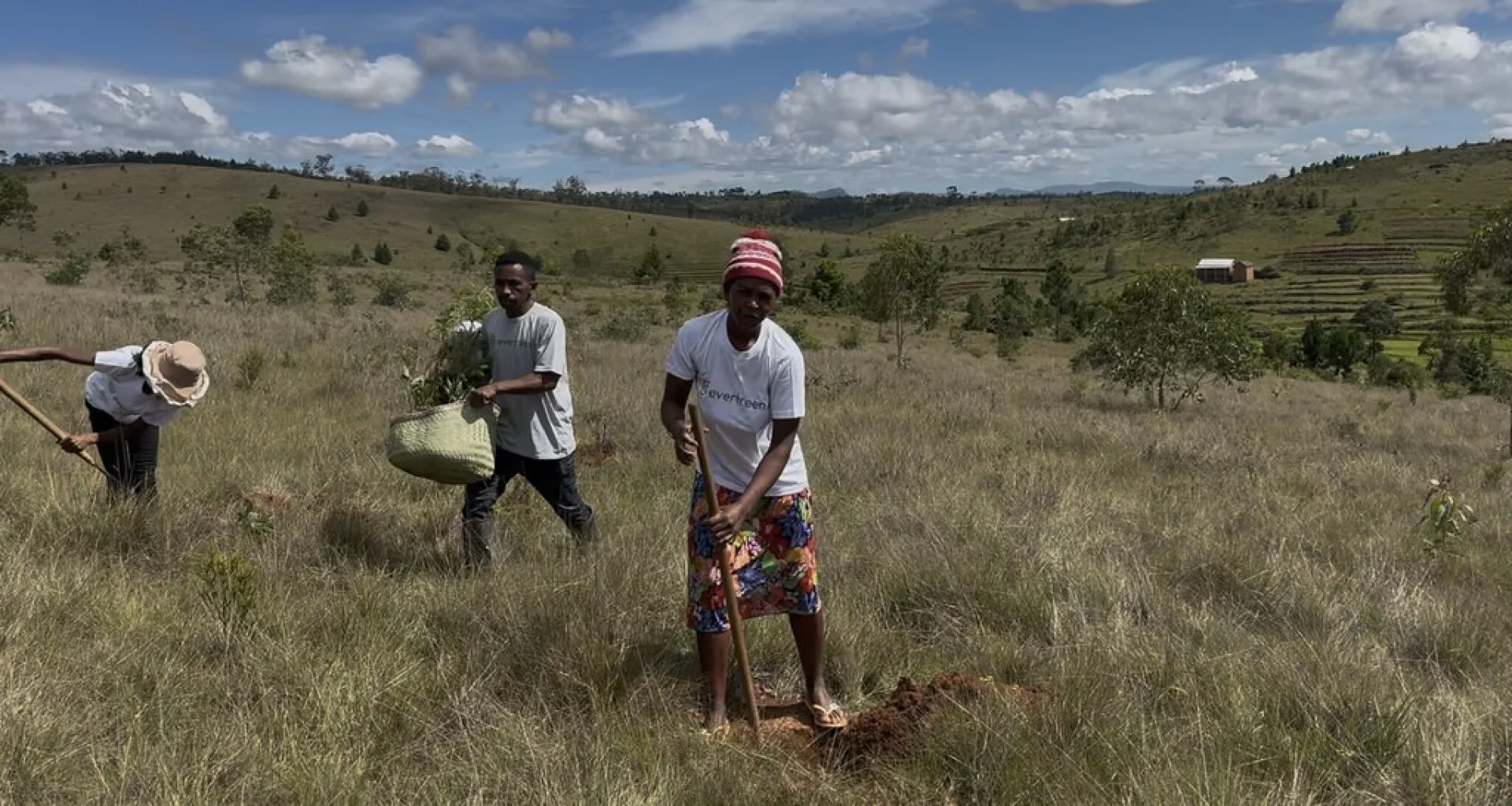
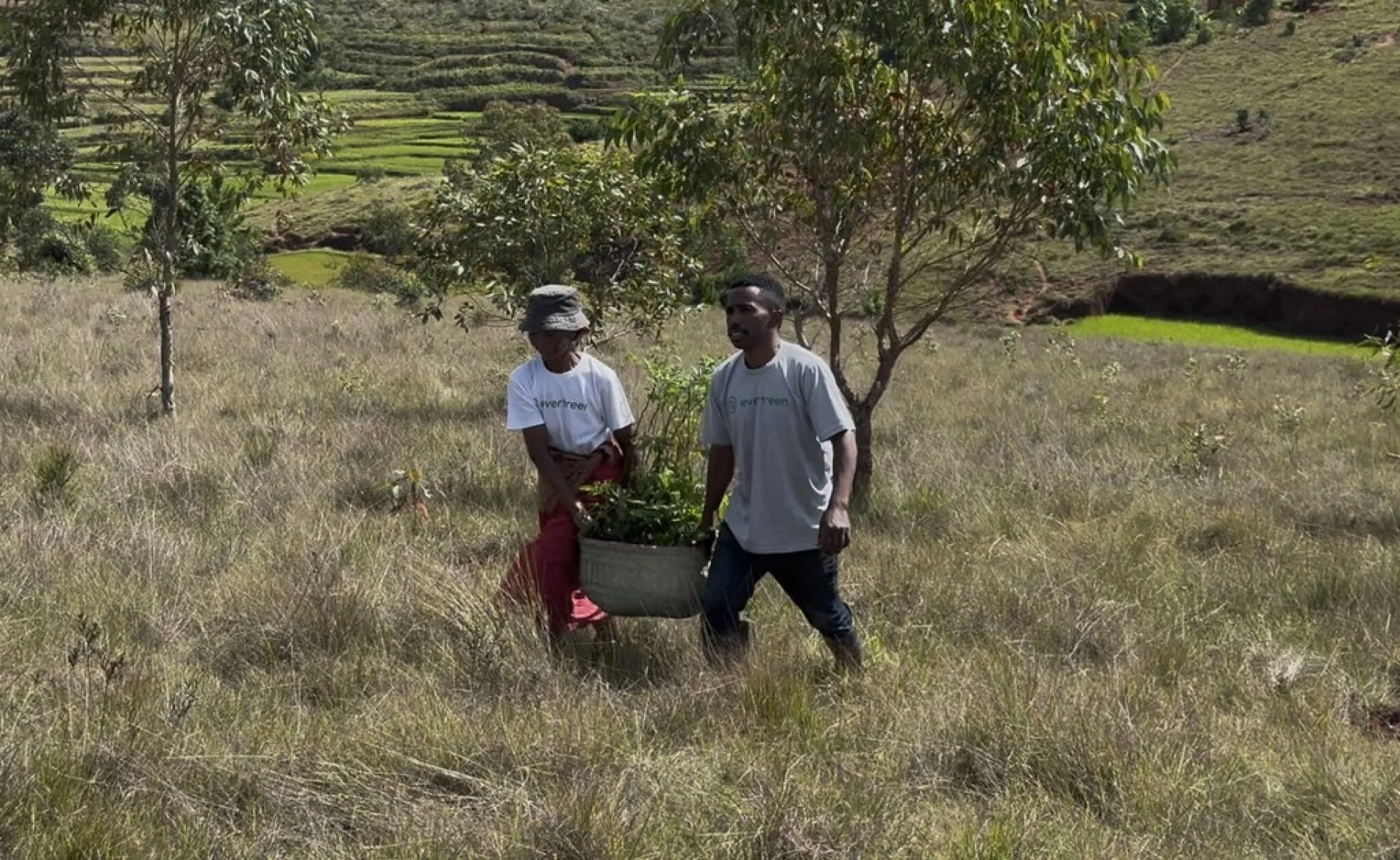
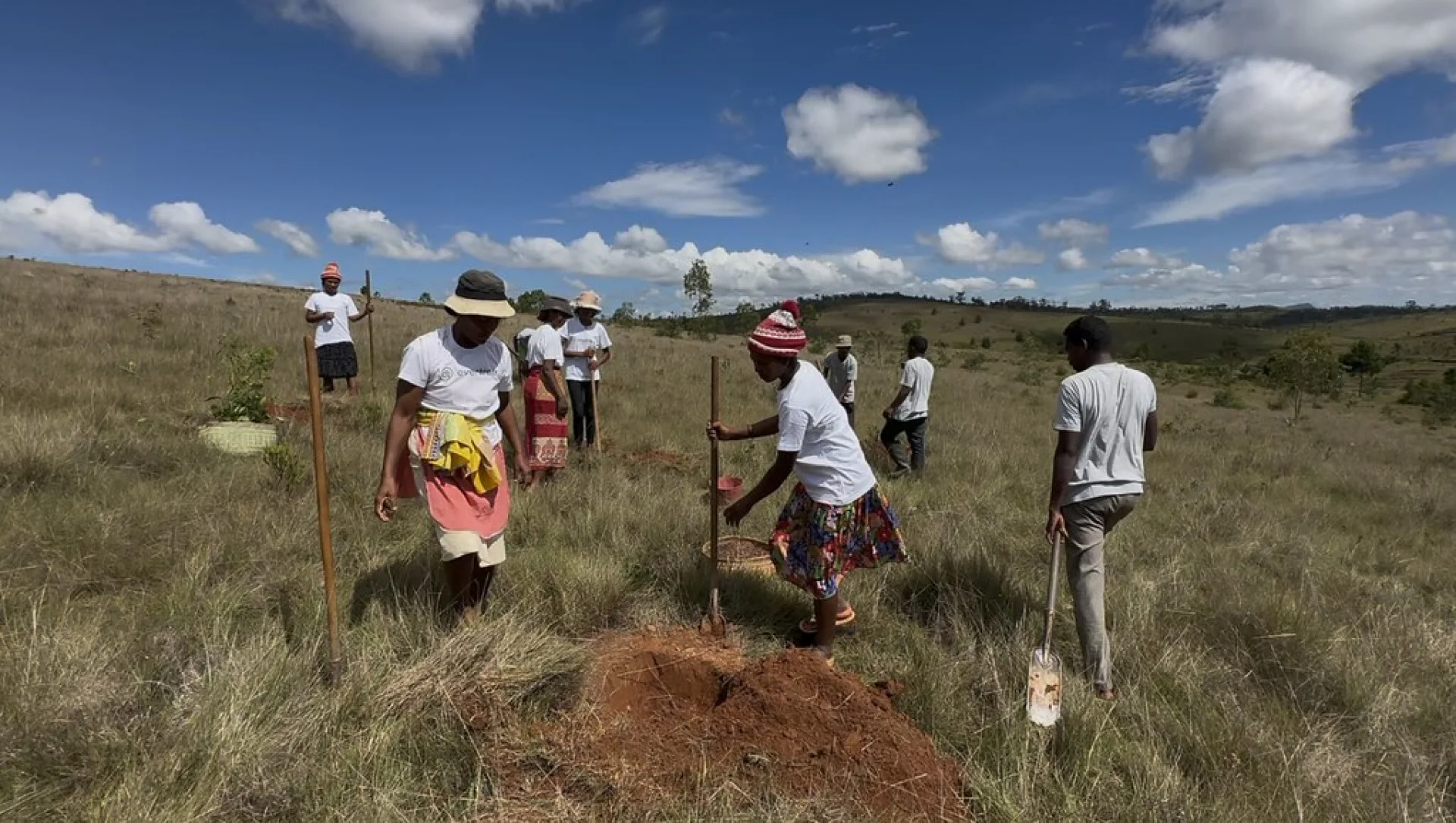
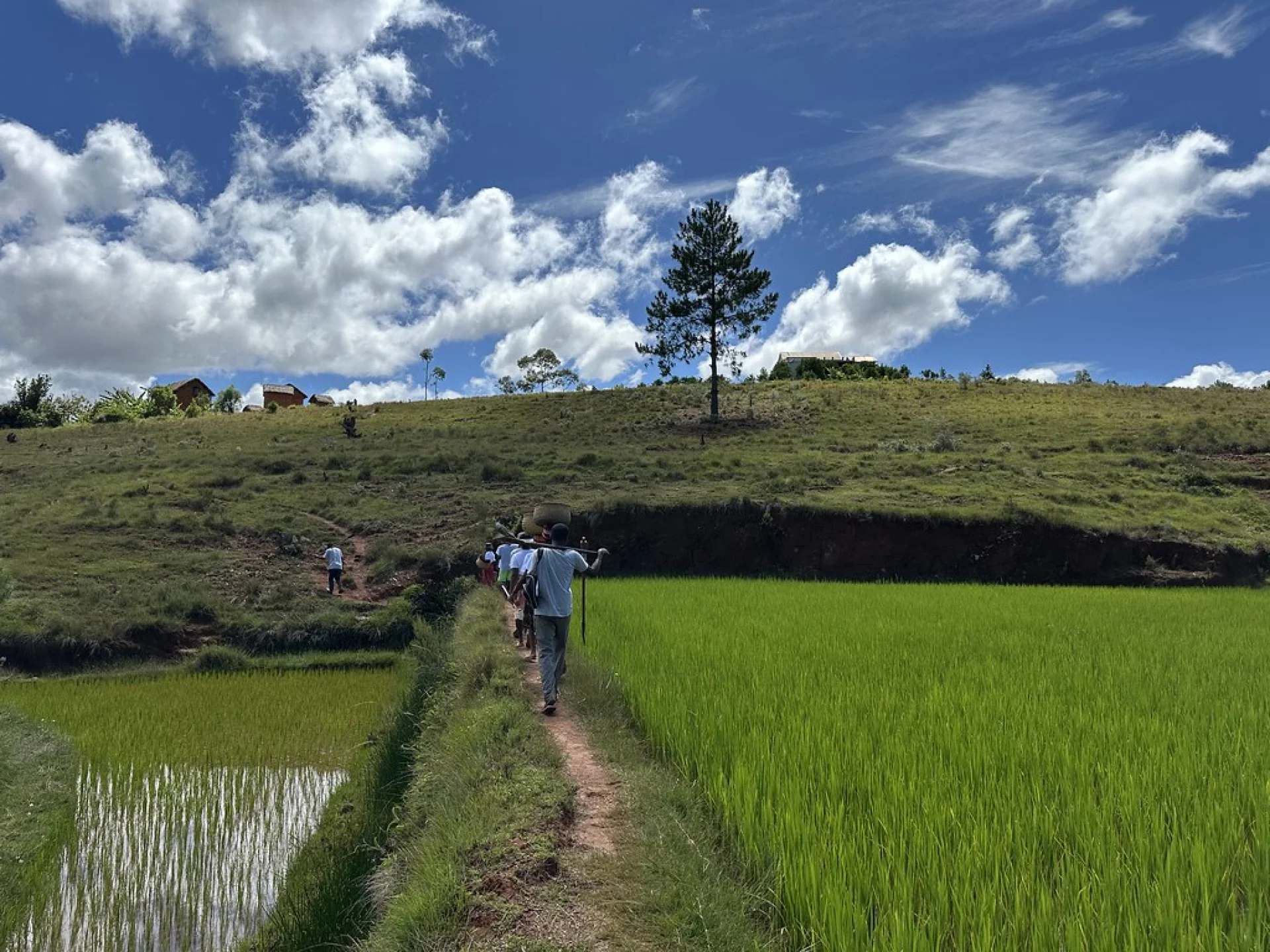
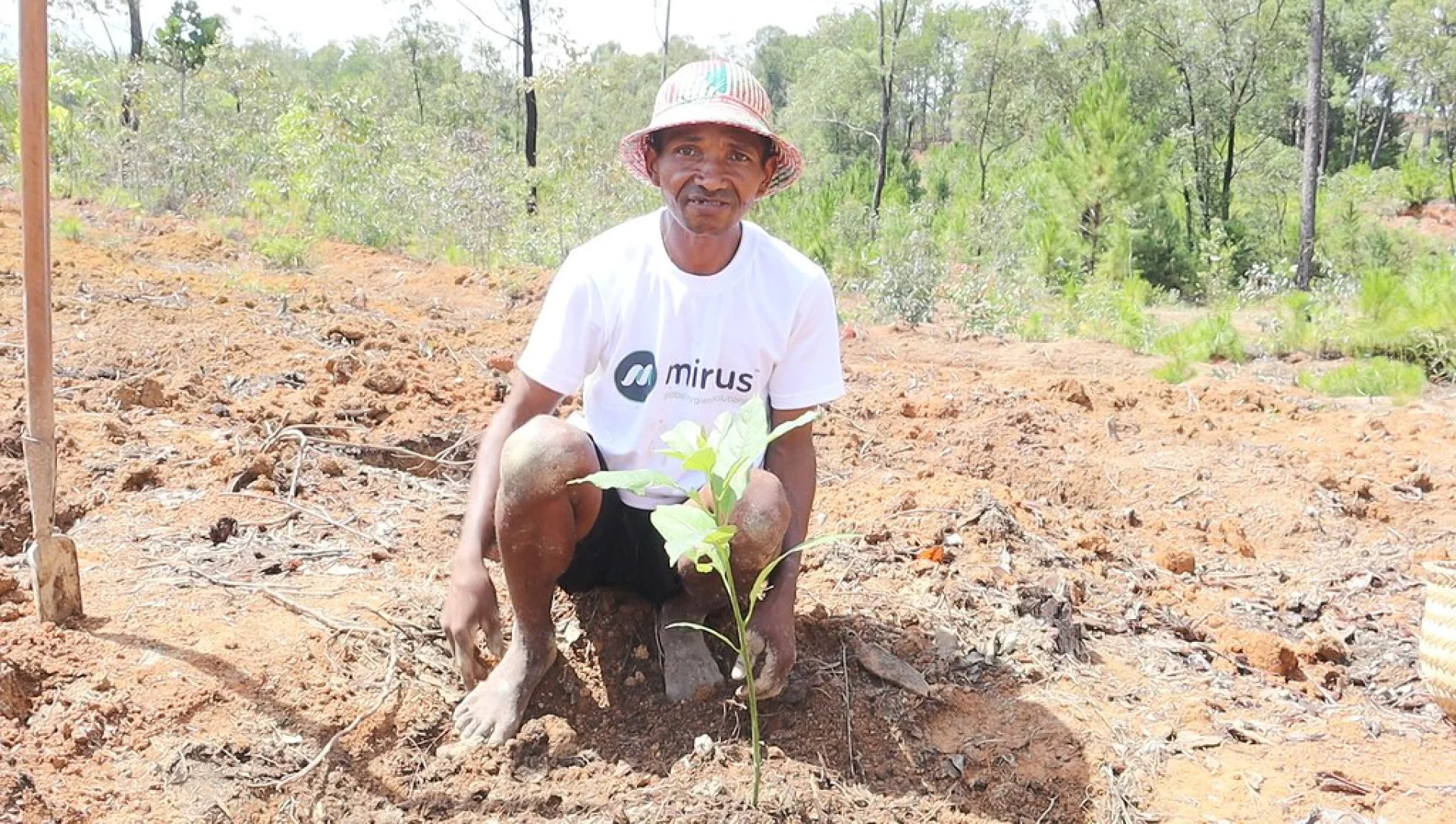
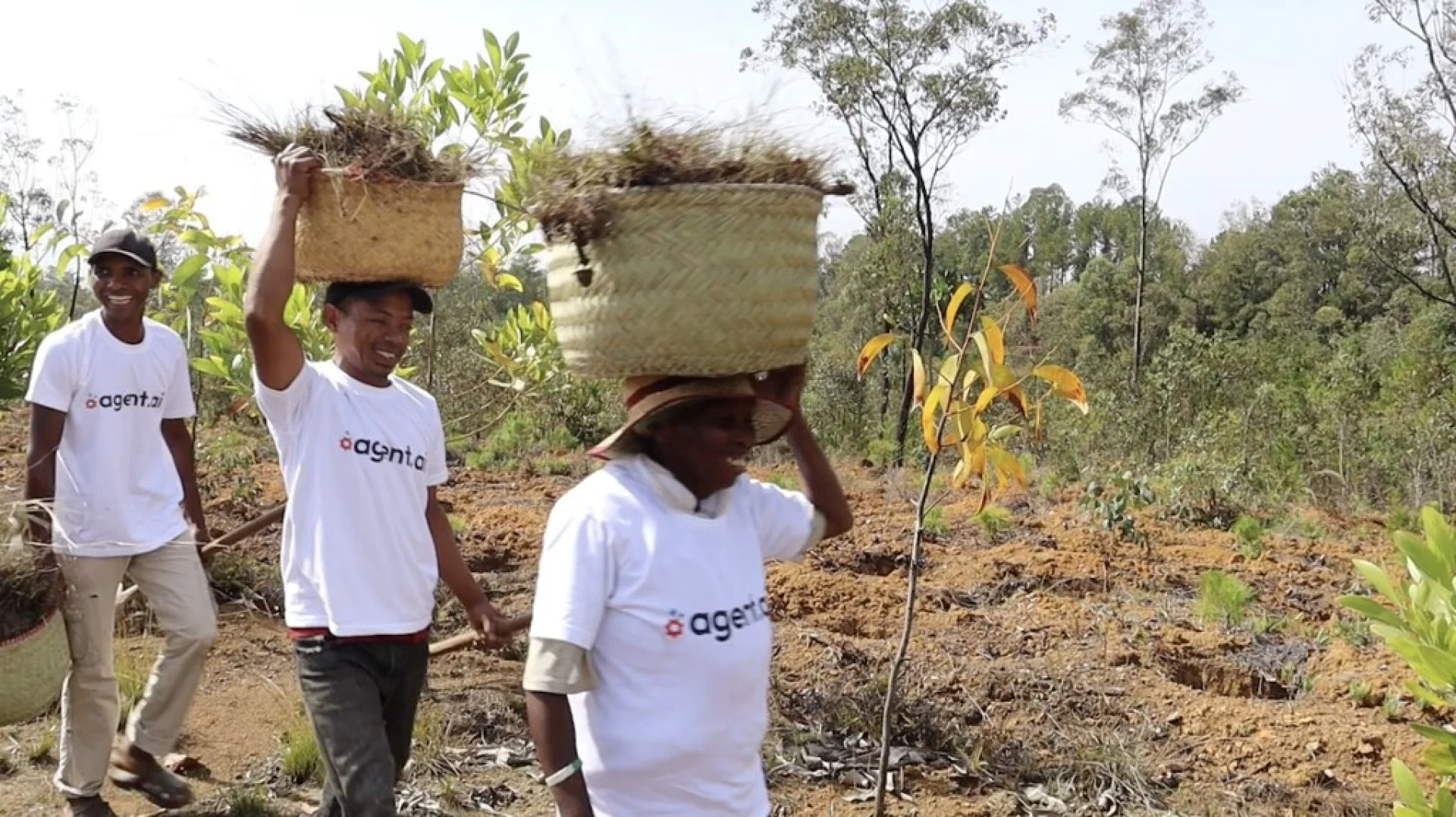
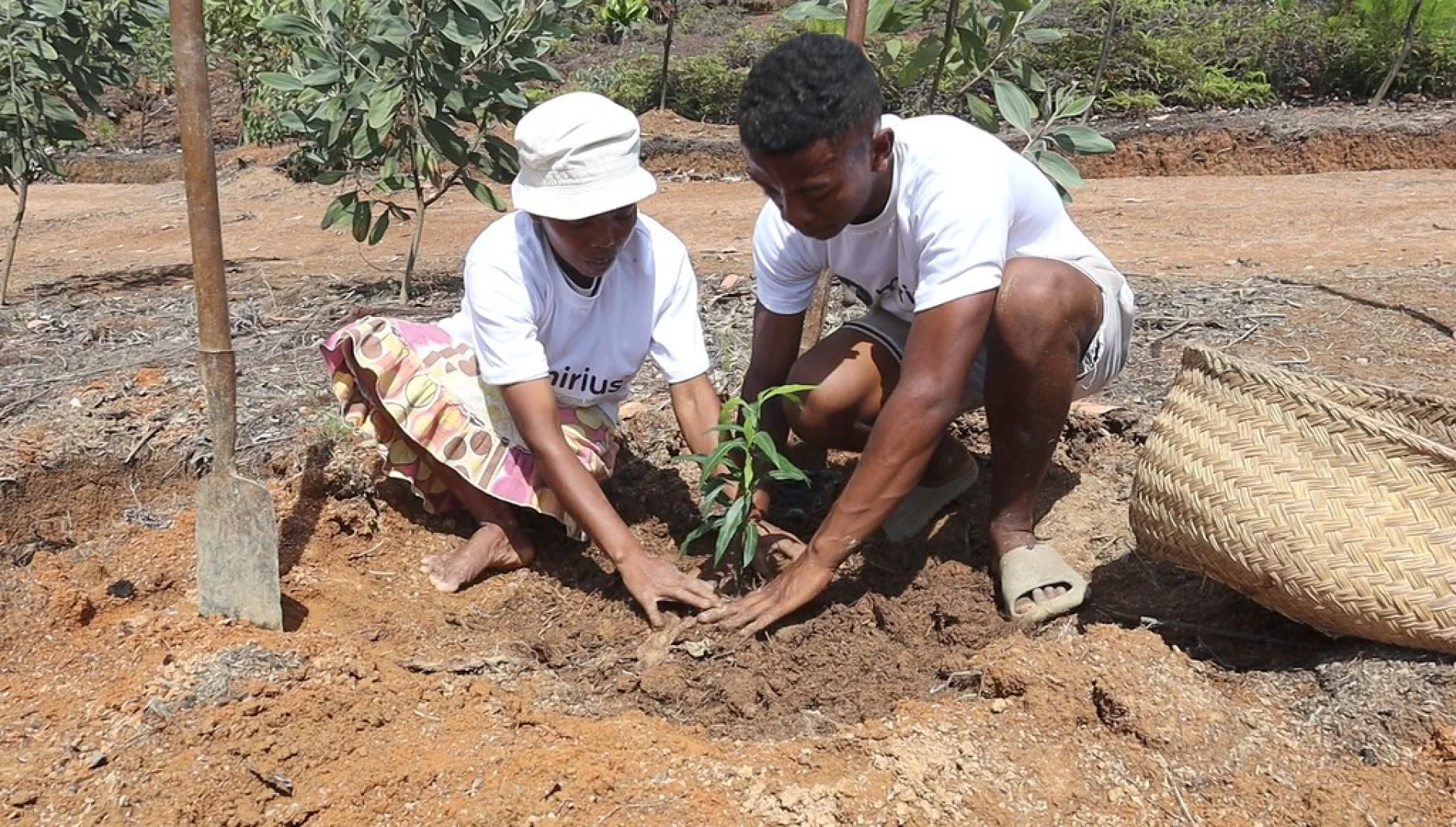
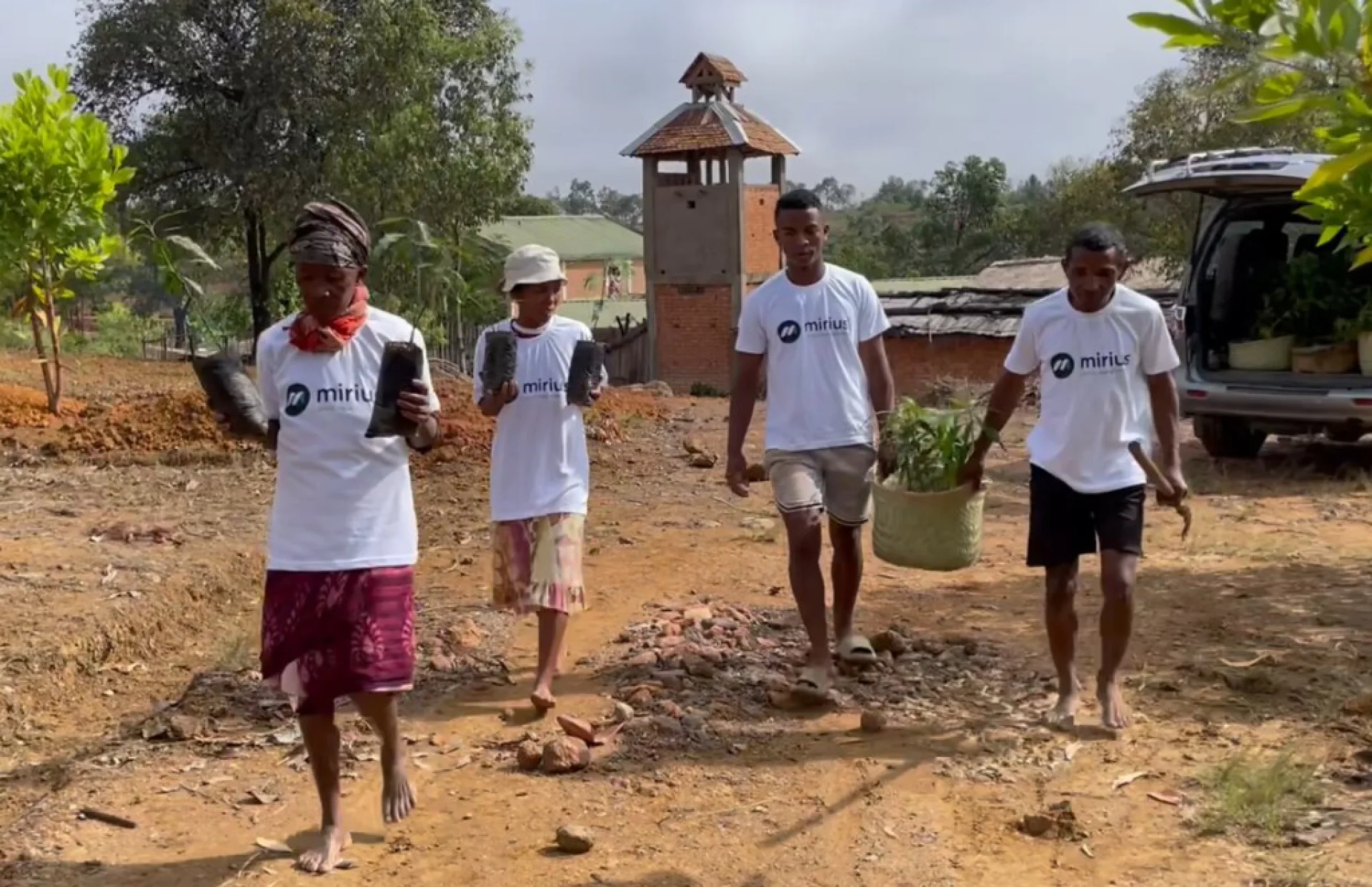
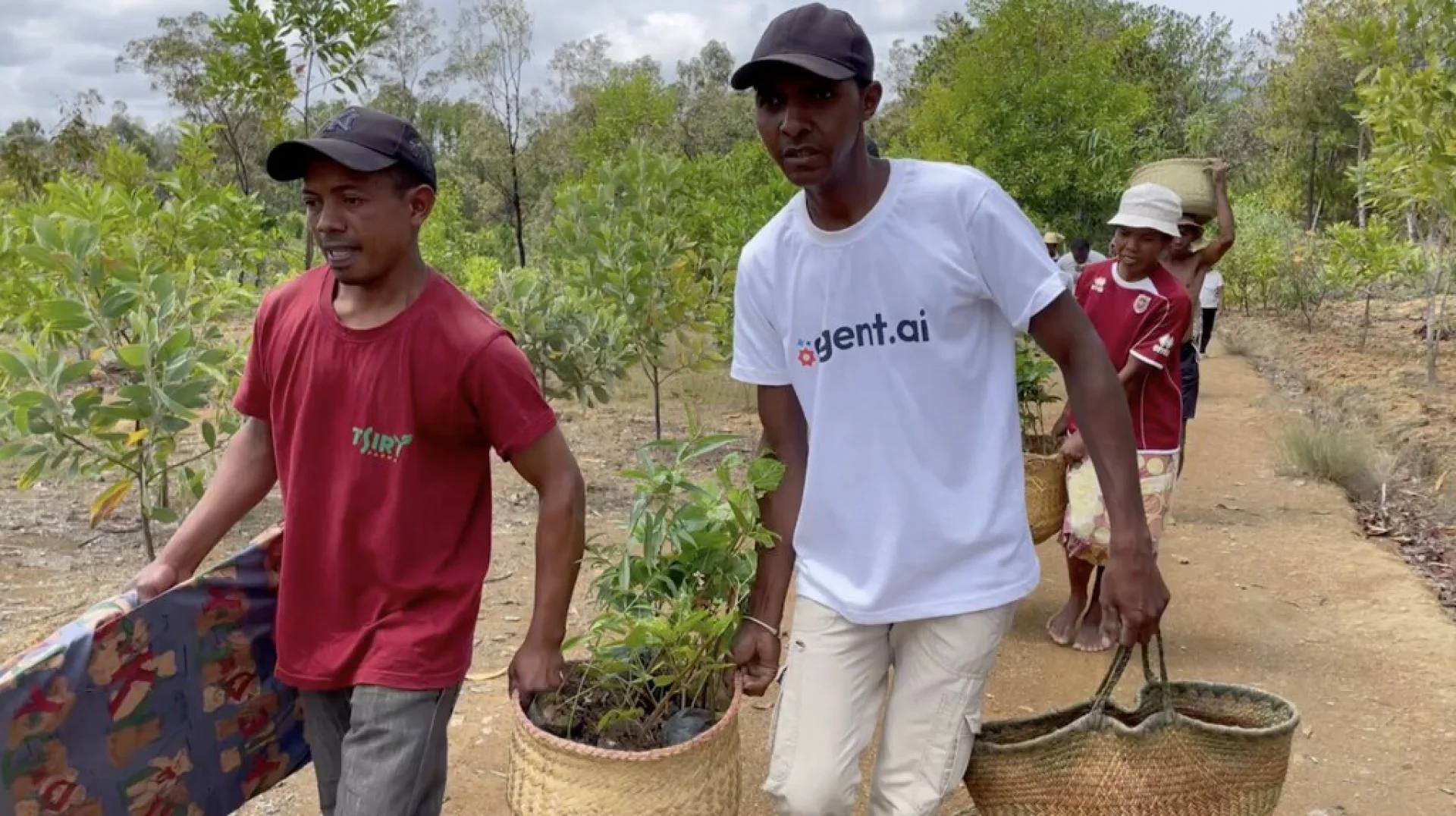
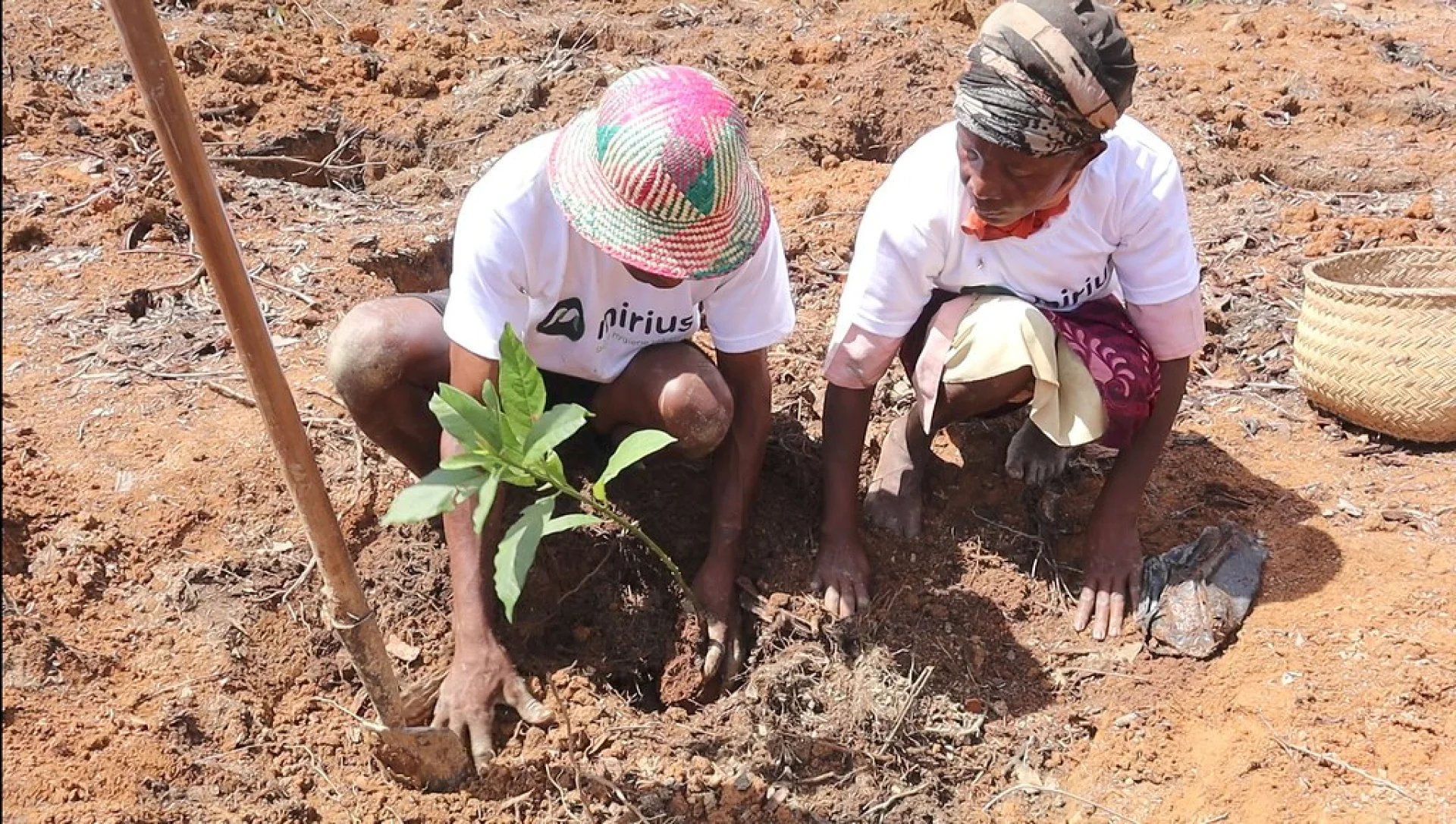
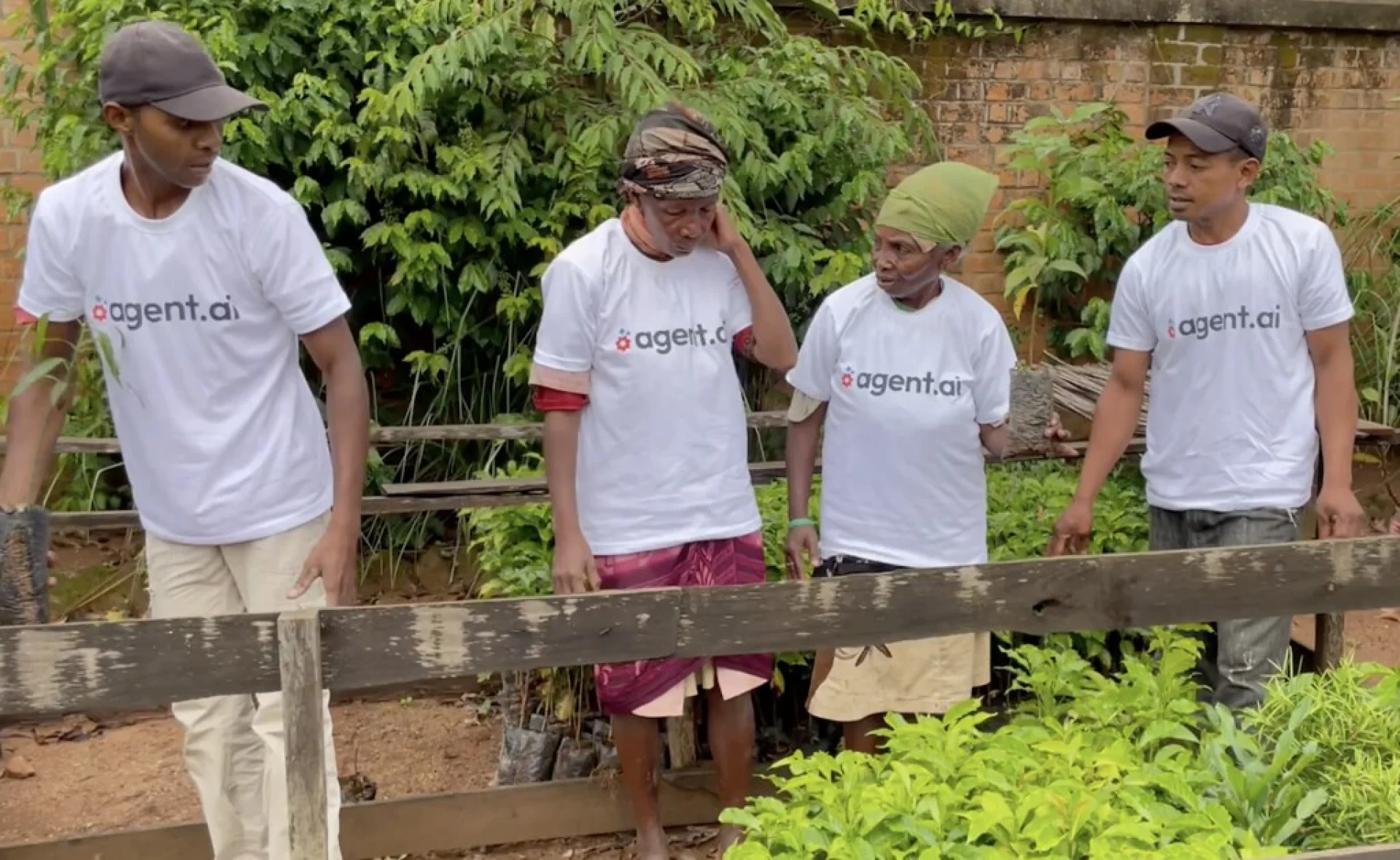
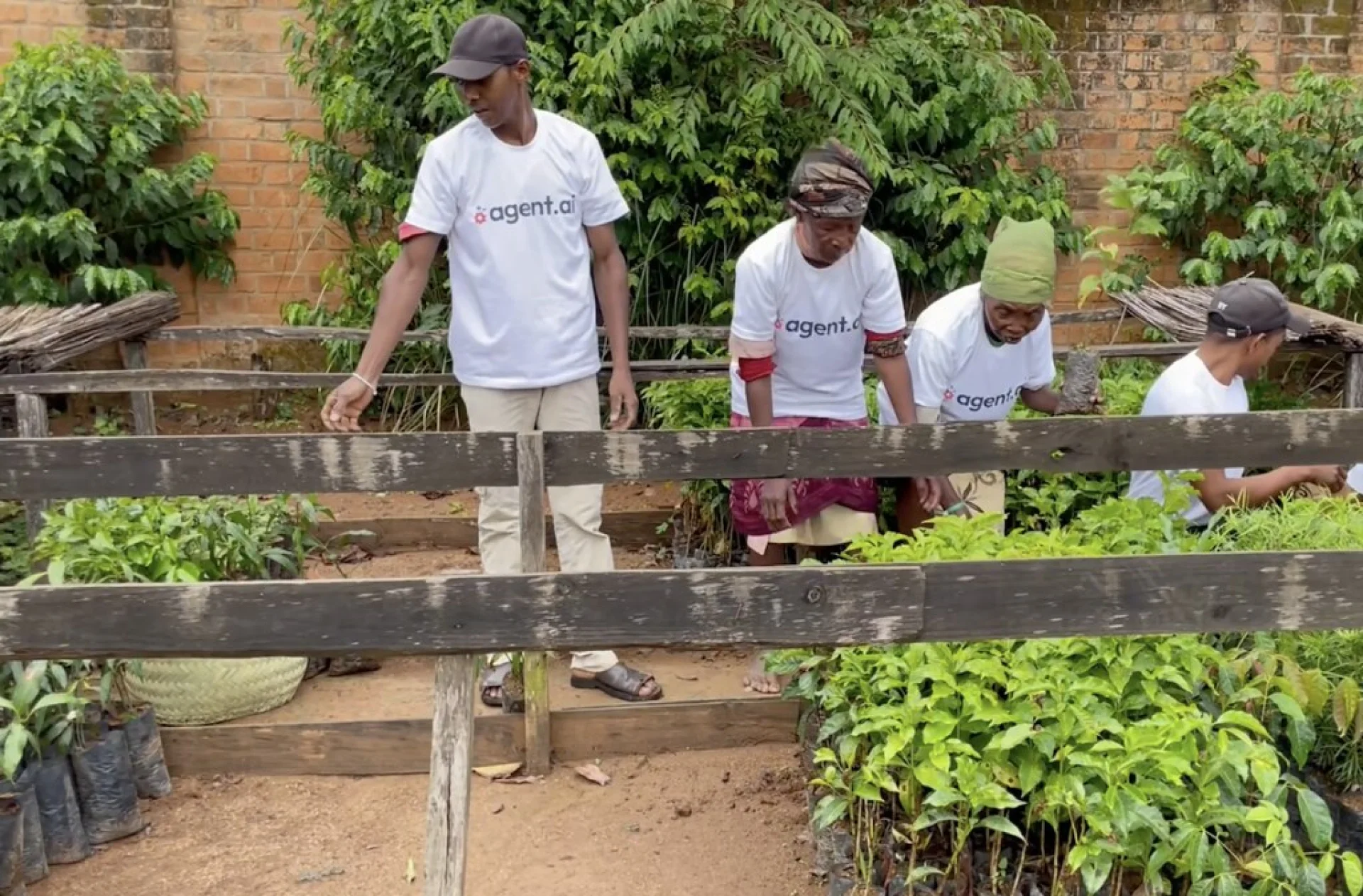
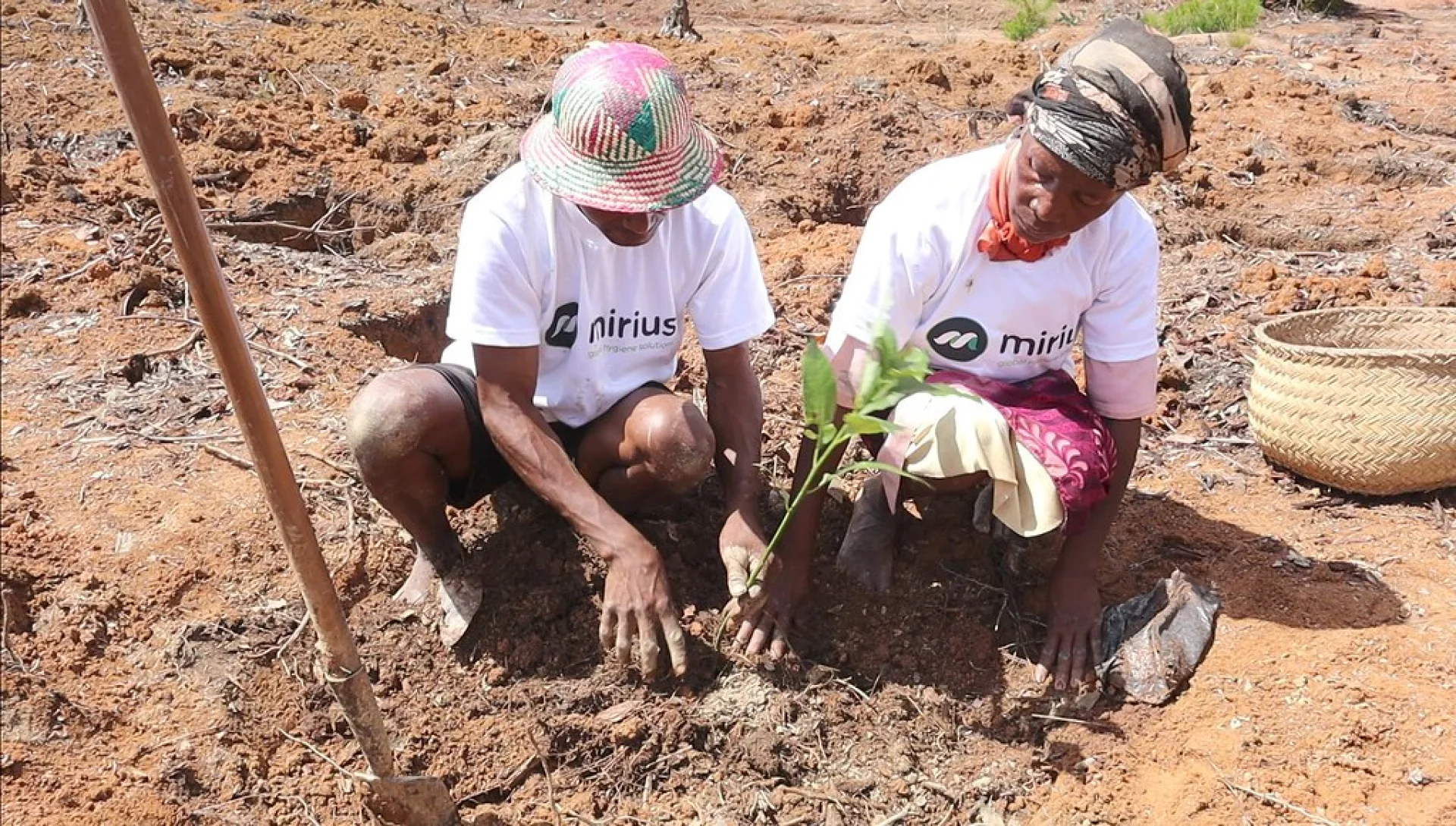
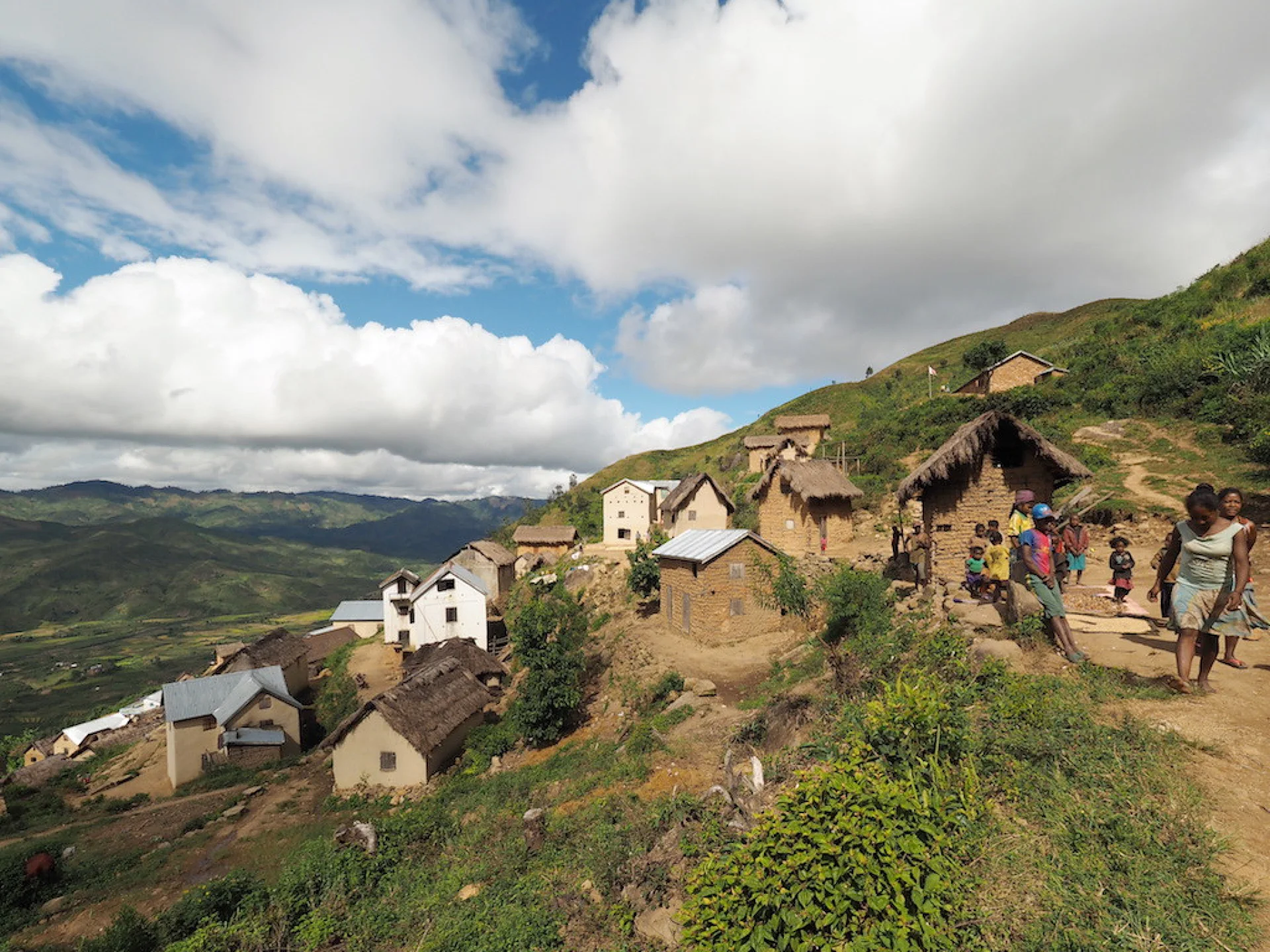
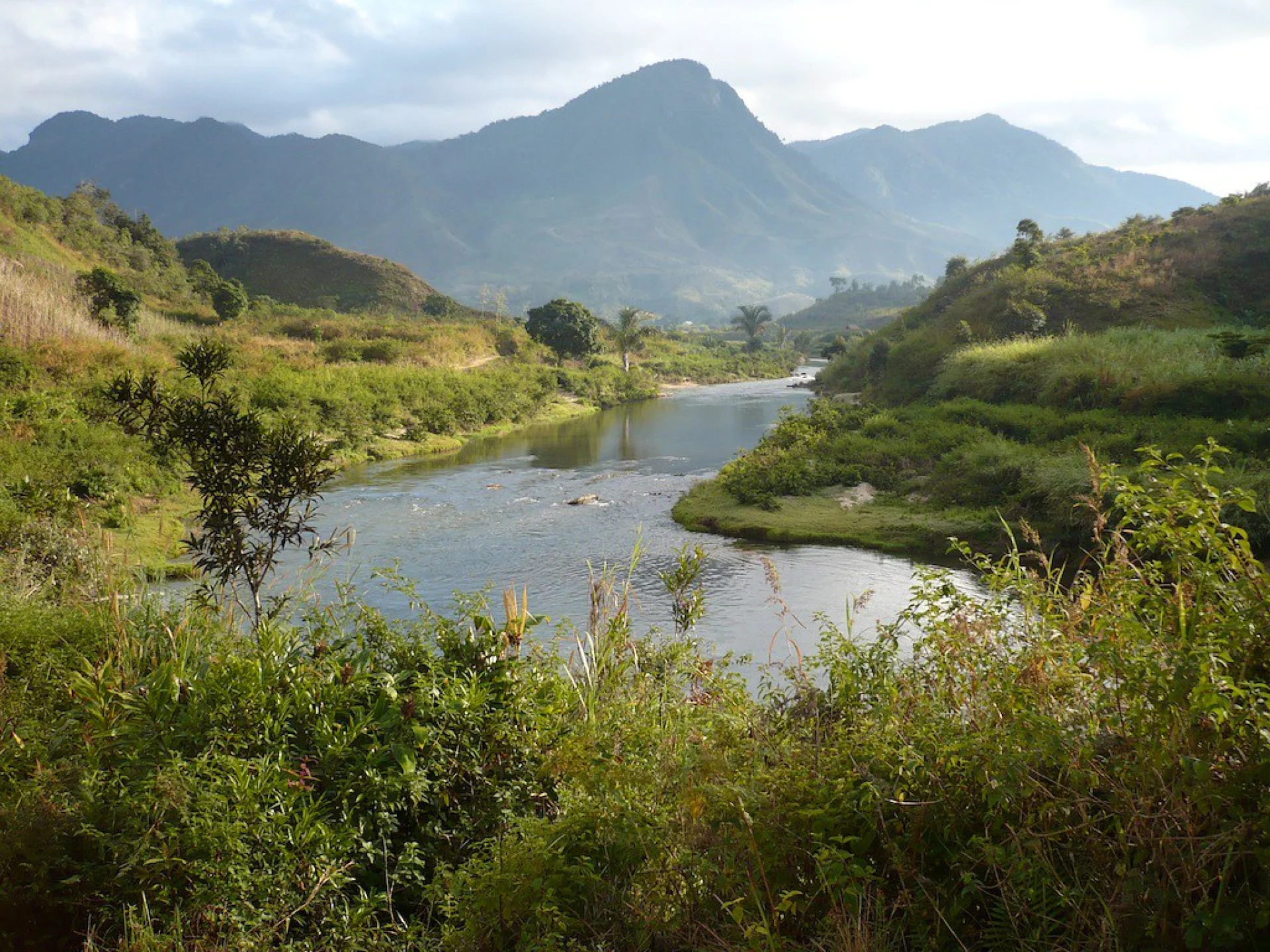
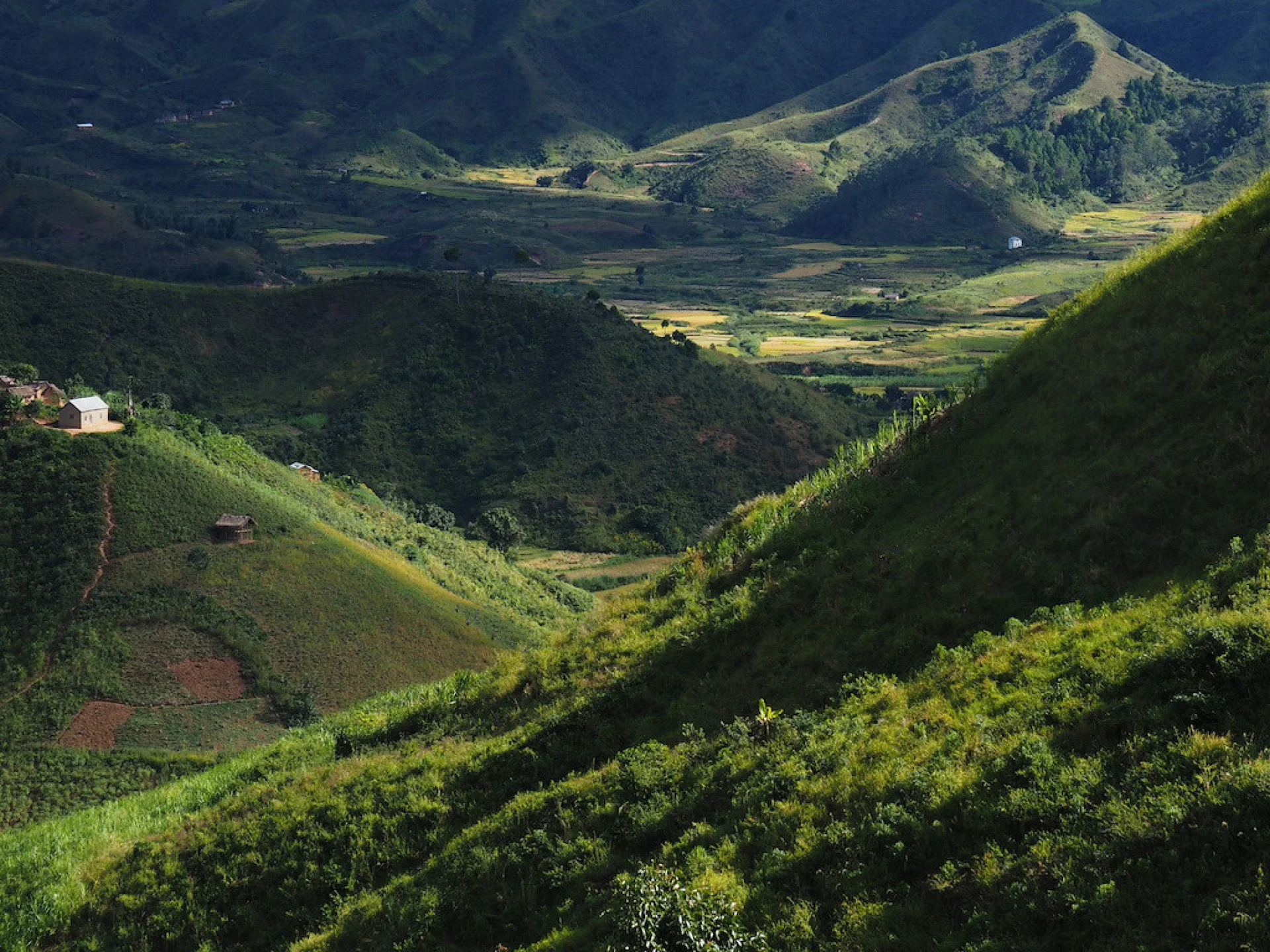
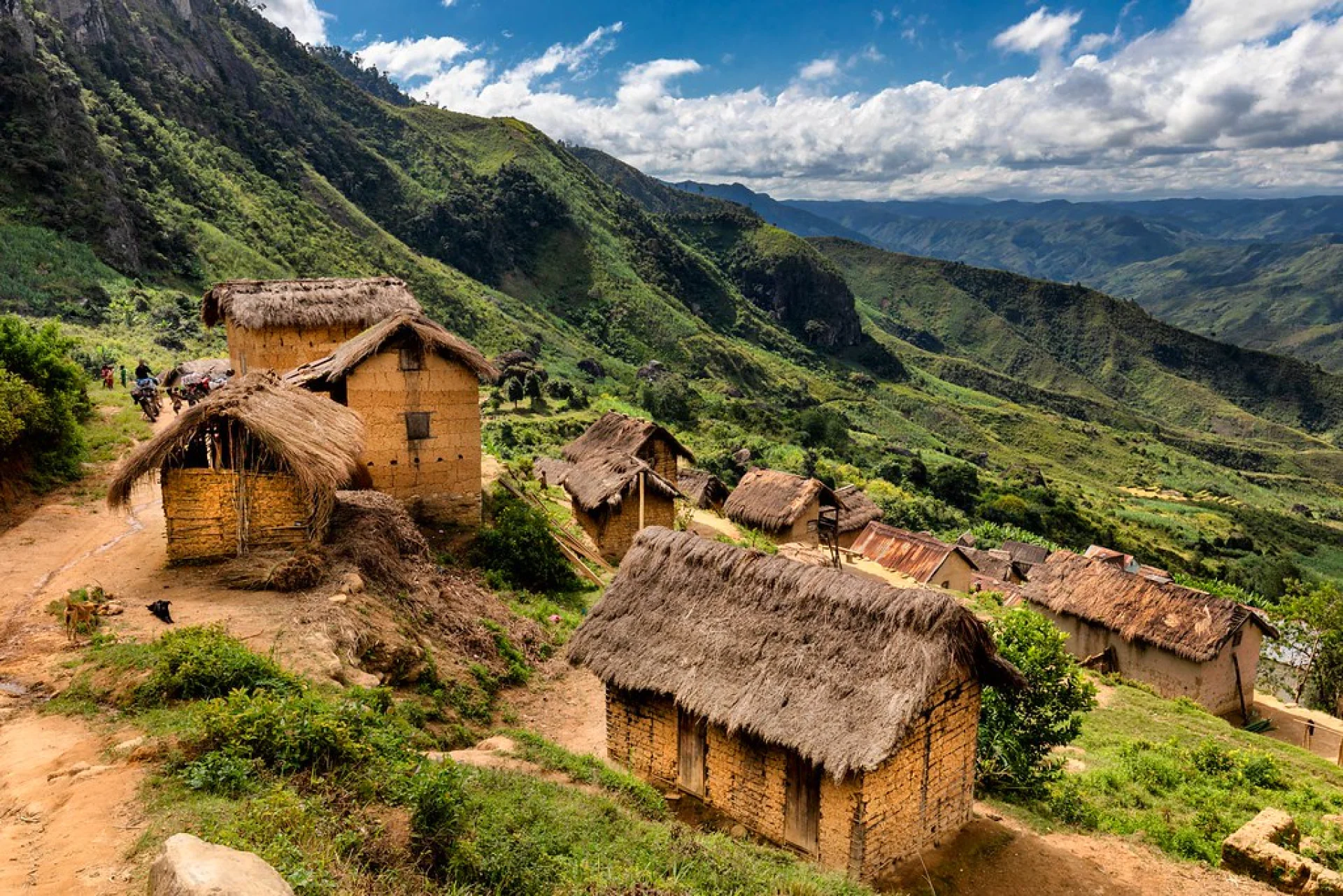
Implementing partner. Tree planting in Madagascar is carried out by local farmers managed by our partner Tsiryparma, an Italian non-profit founded in 2011, in a planting programme run for Evertreen and financed by Evertreen — including in the Vohidahy highlands and mangrove planting at Kimony in western Madagascar. Until 2022, part of our Madagascar planting — around 300,000 trees — was carried out by Eden Reforestation Projects at sites in the north-west, near Mahajanga and Cape St André; those are the planting sites listed further down this page.
Drone footage: mangrove planting at Kimony
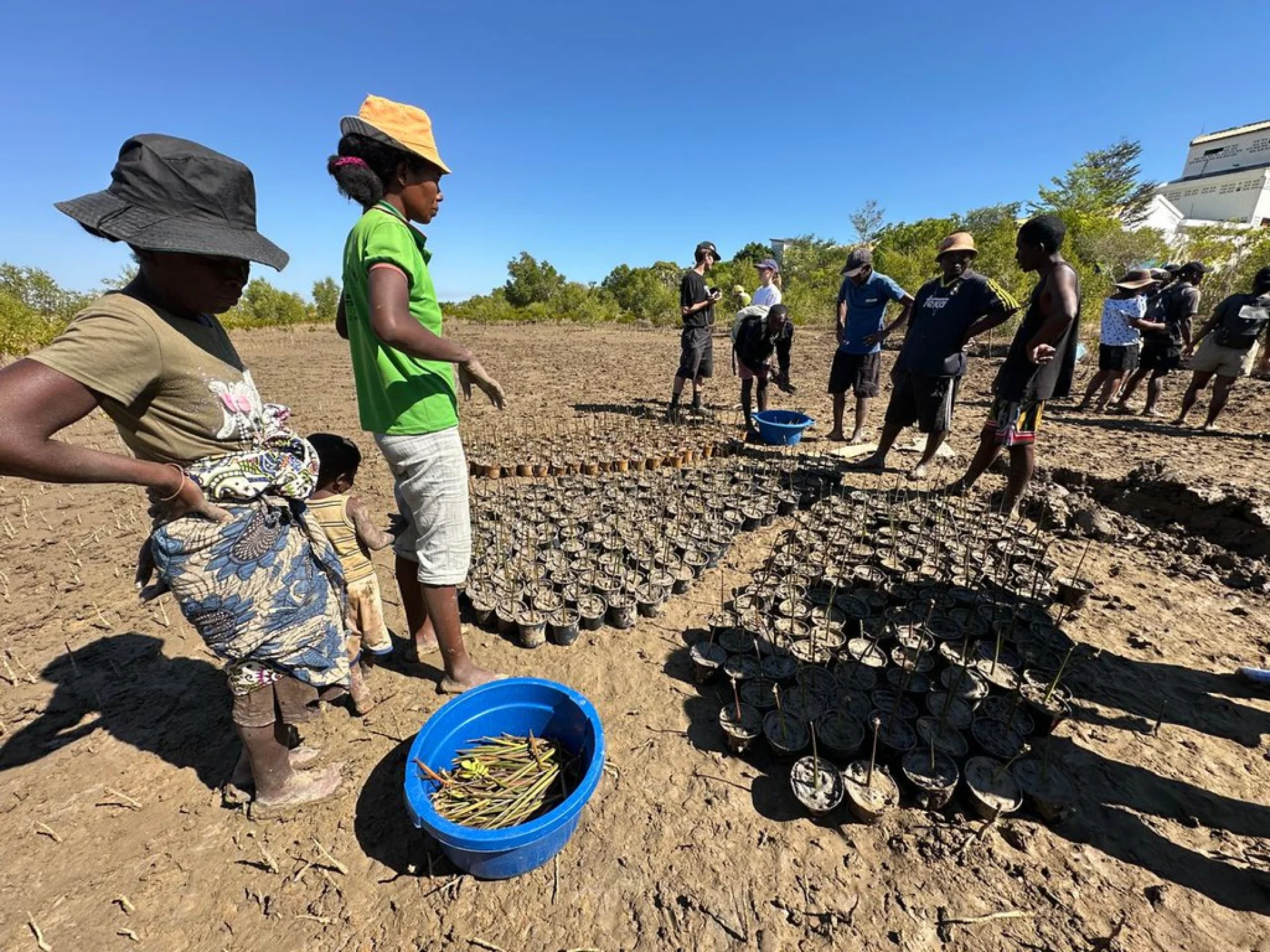
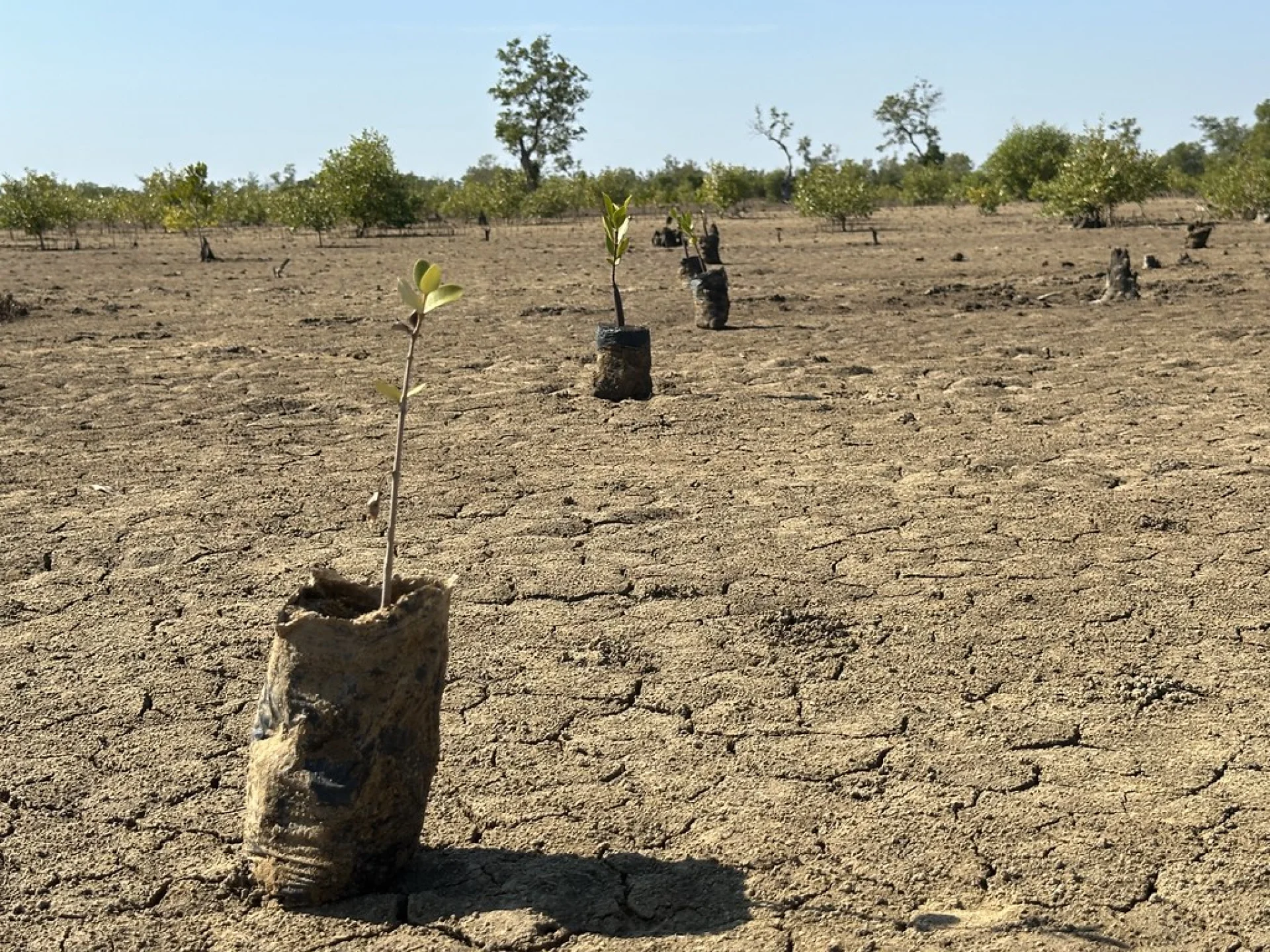
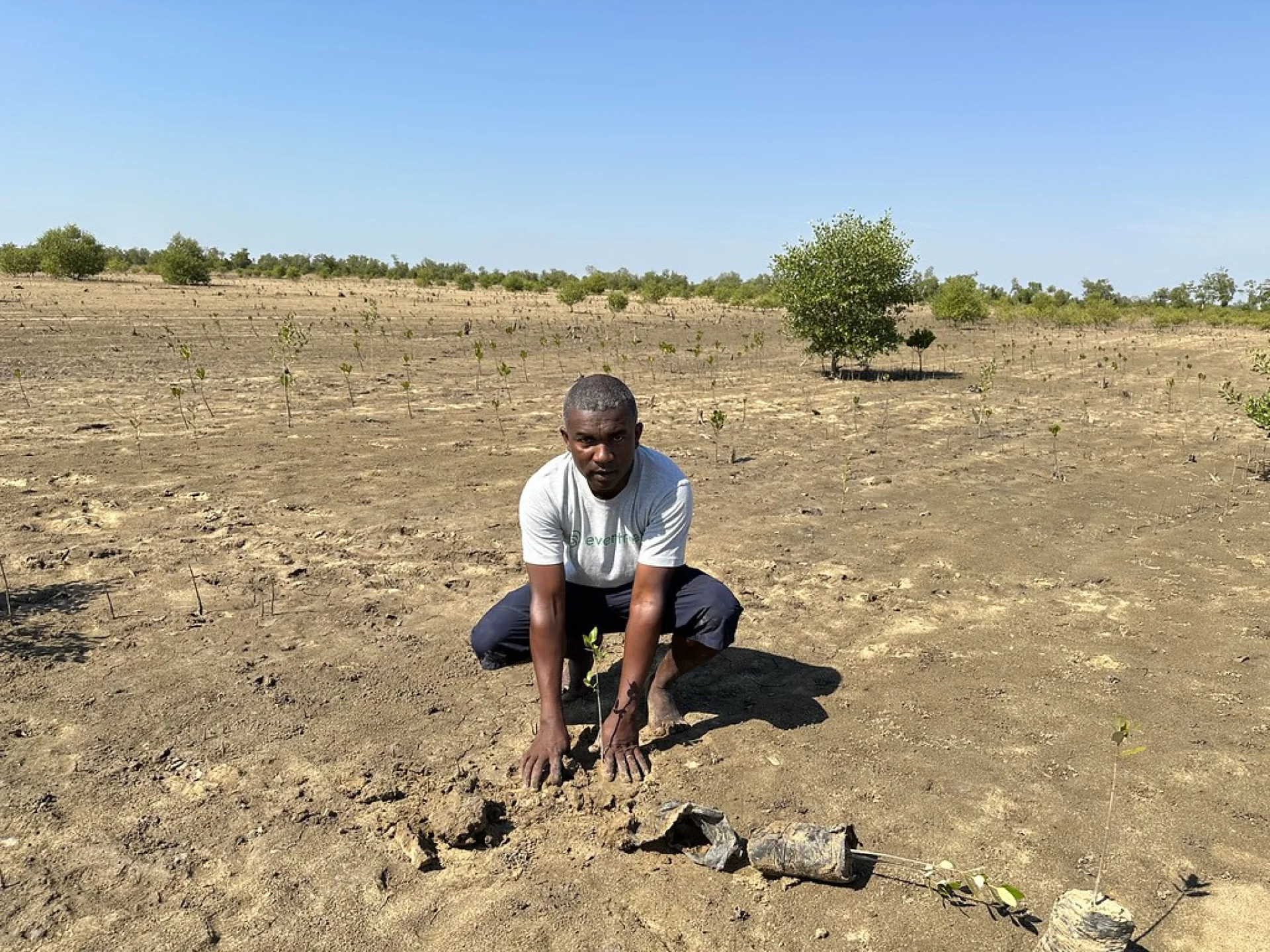
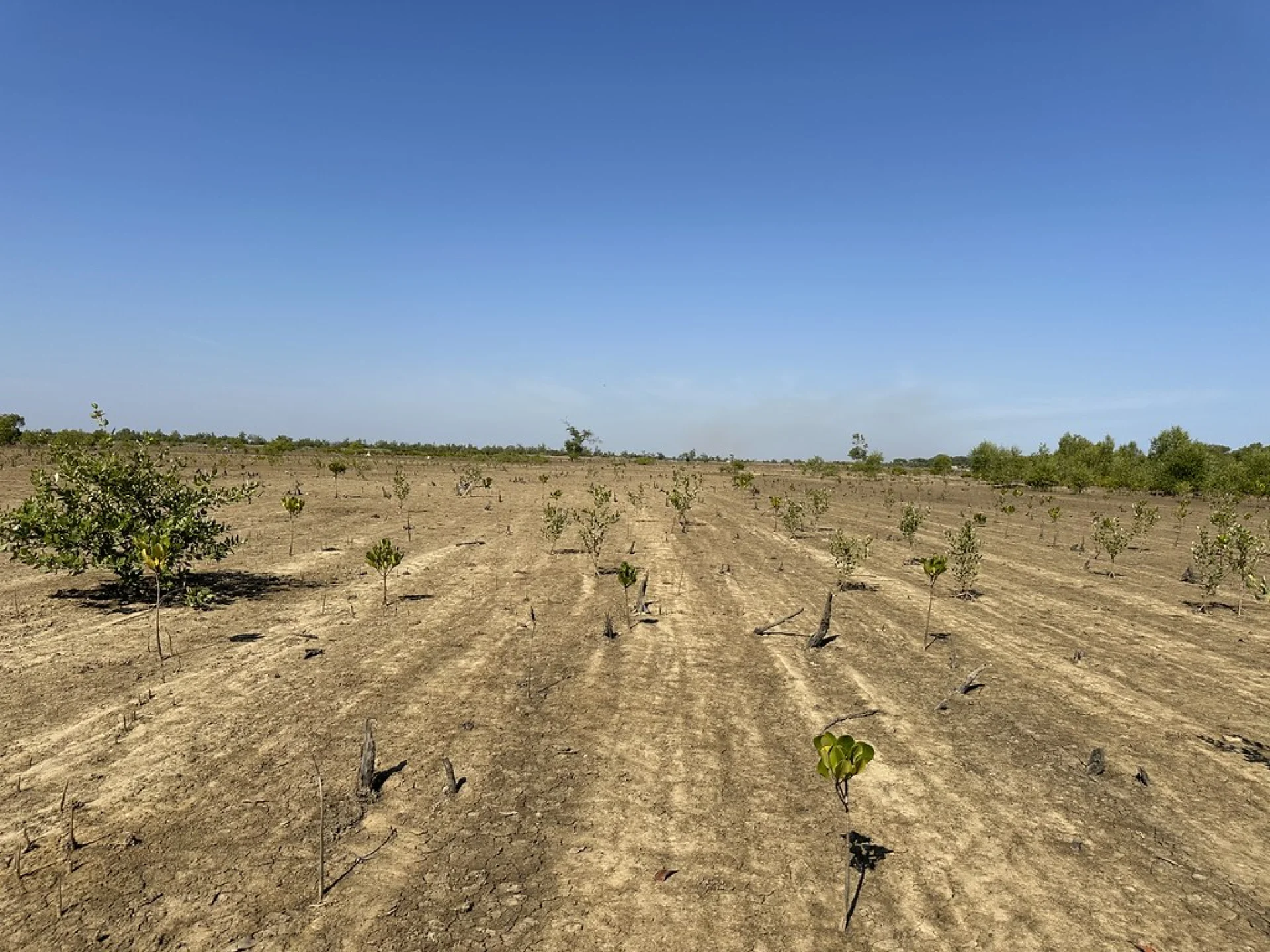
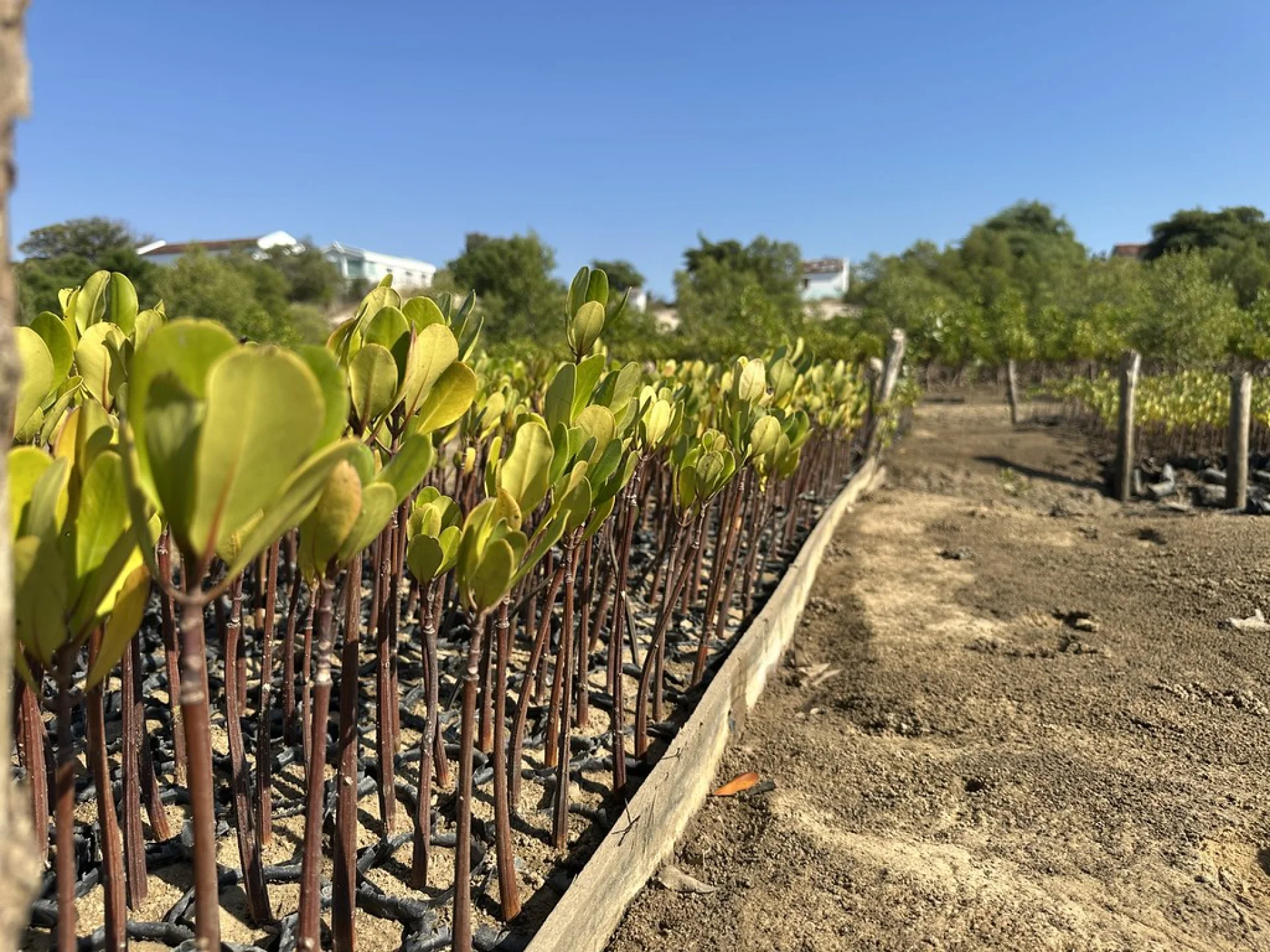
Mangrove planting at Kimony, in western Madagascar, carried out by our partner, filmed in April 2026. The footage shows the nursery where seedlings are raised, planting established in earlier seasons, and new planting under way on the tidal flats.
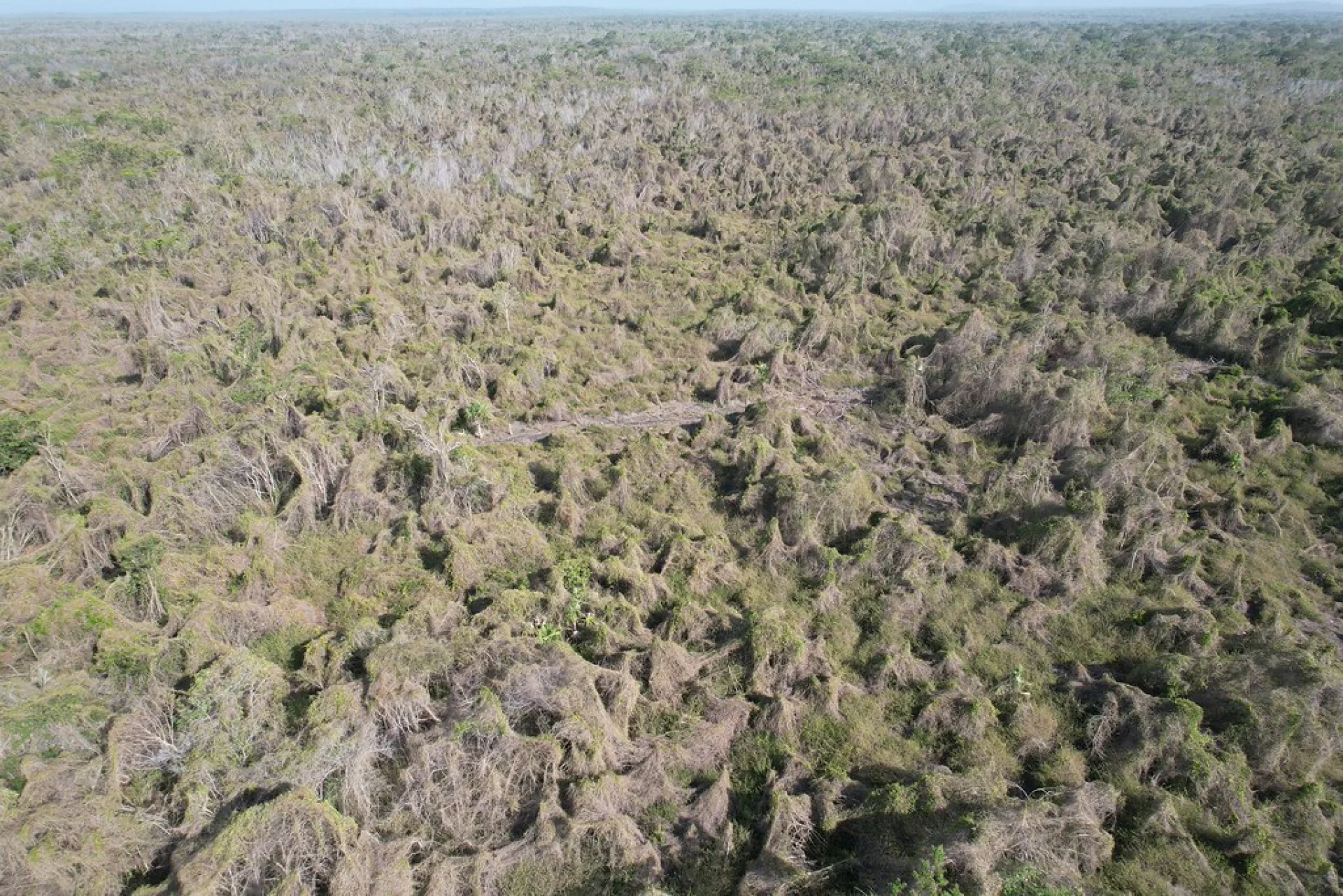
Madagascar has lost over 90% of its primary forests, and this deforestation has had devastating effects on the people living there, many of whom are in extreme poverty. The loss of these forests is a huge problem, making Madagascar one of the world's top priorities for biodiversity conservation because of its unique species and rapid habitat loss. Let's explore how Evertreen's reforestation project is making a difference.
The Crisis of Deforestation in Madagascar
Deforestation and Biodiversity
Madagascar is a treasure trove of unique species, but deforestation is putting them at risk. Biodiversity, the variety of life on Earth, is essential for healthy ecosystems, human well-being, and resilience to environmental changes. Losing forests affects not only plants and animals but also local communities that rely on these natural resources.
When forests are cut down, the habitats of countless species are destroyed, leading to declines in their populations. This is especially critical in Madagascar, where many species are found nowhere else in the world. The reduction in tree cover also affects soil quality and water cycles, further endangering the island's unique flora and fauna.
Impacts of Climate Change
Coastal deforestation destabilizes the coastline, making communities more vulnerable to frequent and intense storms caused by climate change. The upland dry deciduous forests, which are among the world's rarest and most diverse, also need urgent protection.
The impacts of climate change are severe, with increased coastal erosion, saltwater intrusion into freshwater systems, and more frequent and intense storms. The loss of mangroves, which act as natural barriers against these forces, worsens the vulnerability of coastal communities. Inland, deforestation contributes to rising temperatures and altered rainfall patterns, affecting agriculture and water supplies.
The Madagascar Reforestation Project
Project Goals
Evertreen's reforestation project in Madagascar aims to combat the large-scale loss of mangroves and deciduous forests. You can learn more about it here. So far, we’ve planted a significant number of mangrove and dry deciduous trees with the help of local communities. The project has support from national, local, and tribal governments to reforest large areas along the coast and inland.
The main goal is to restore these critical ecosystems, which helps support biodiversity, mitigate climate change, and improve the livelihoods of local communities. By focusing on both coastal and inland forests, the project addresses a wide range of environmental and socio-economic issues.
Community Involvement
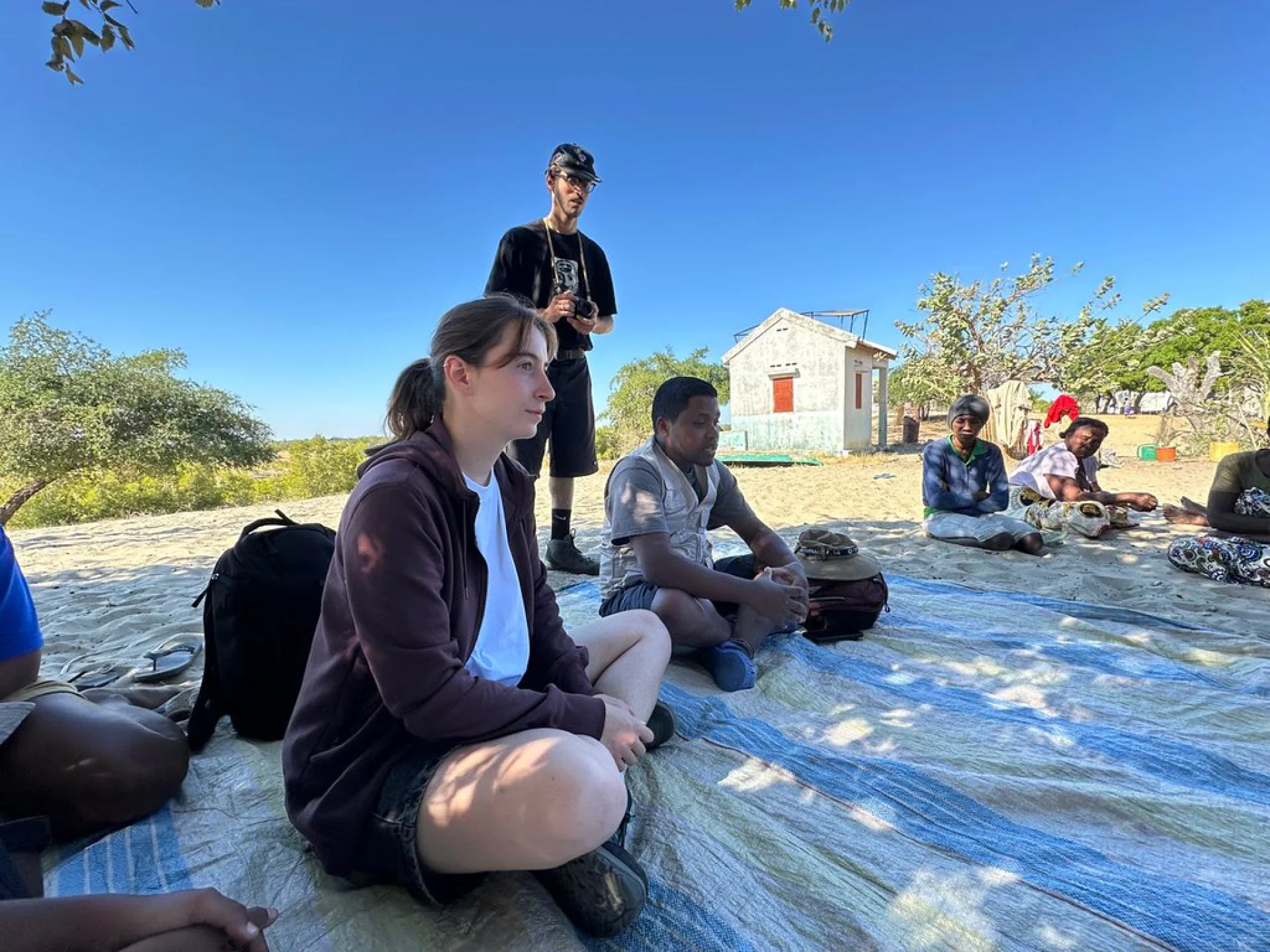
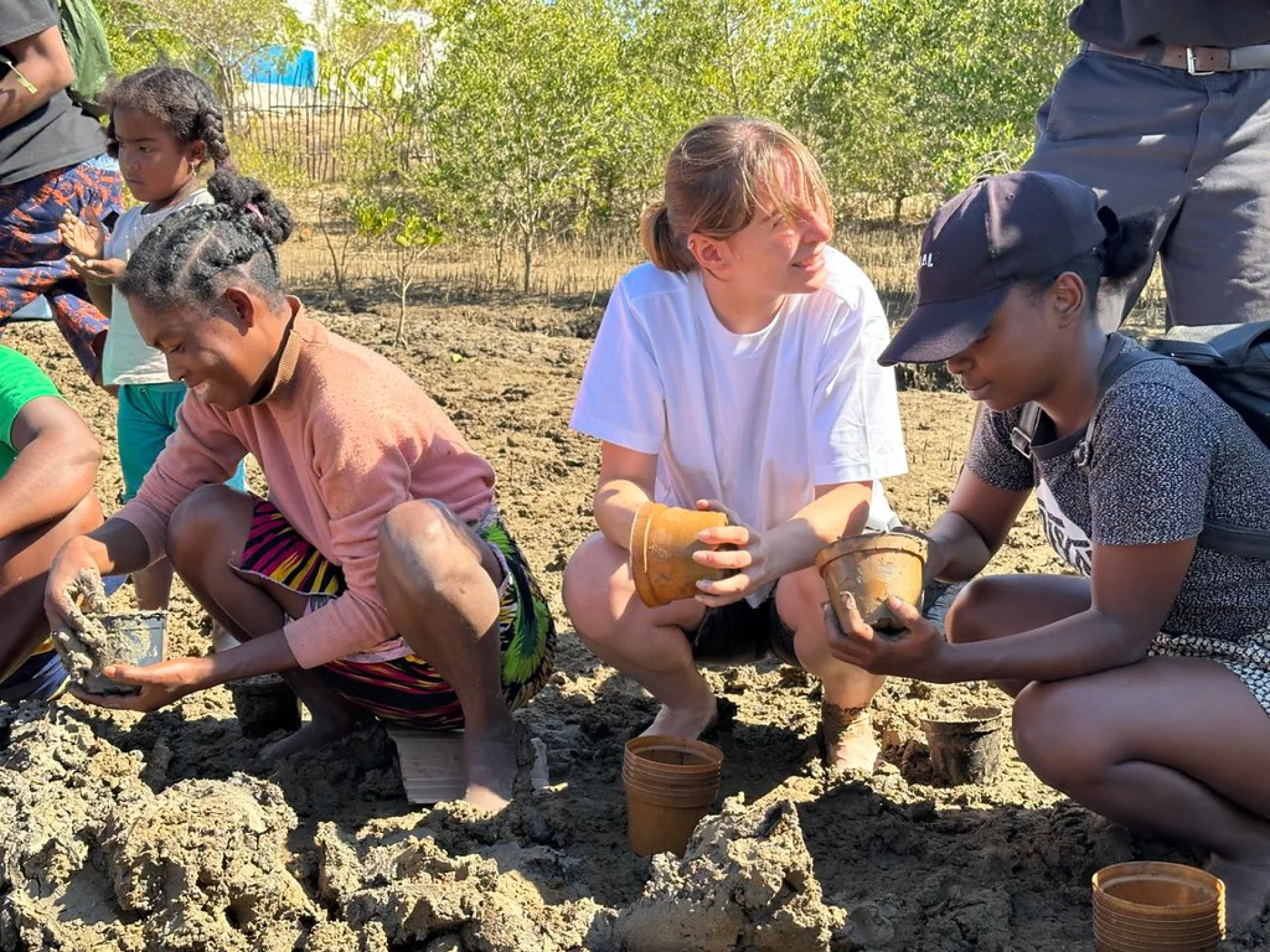
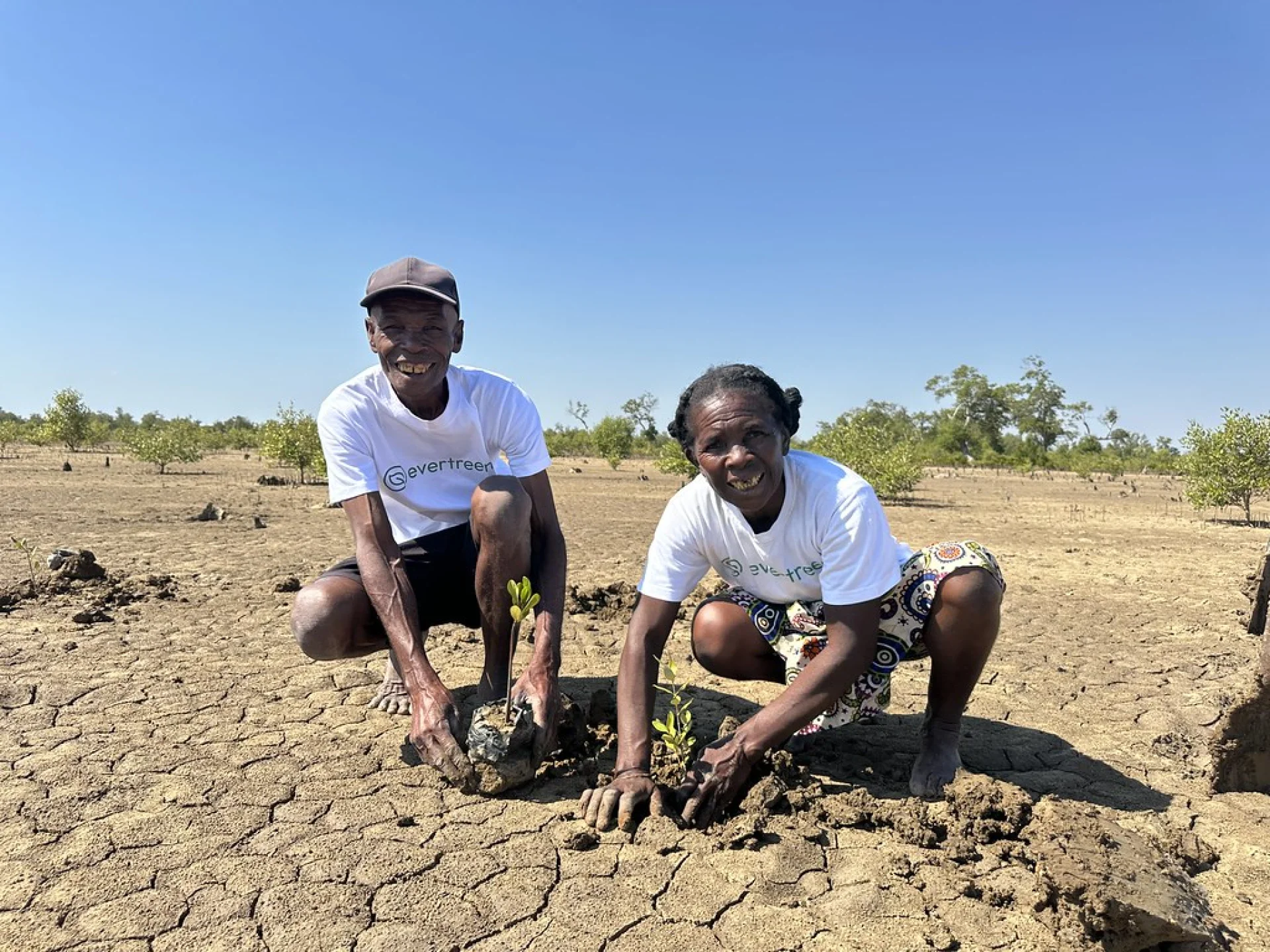
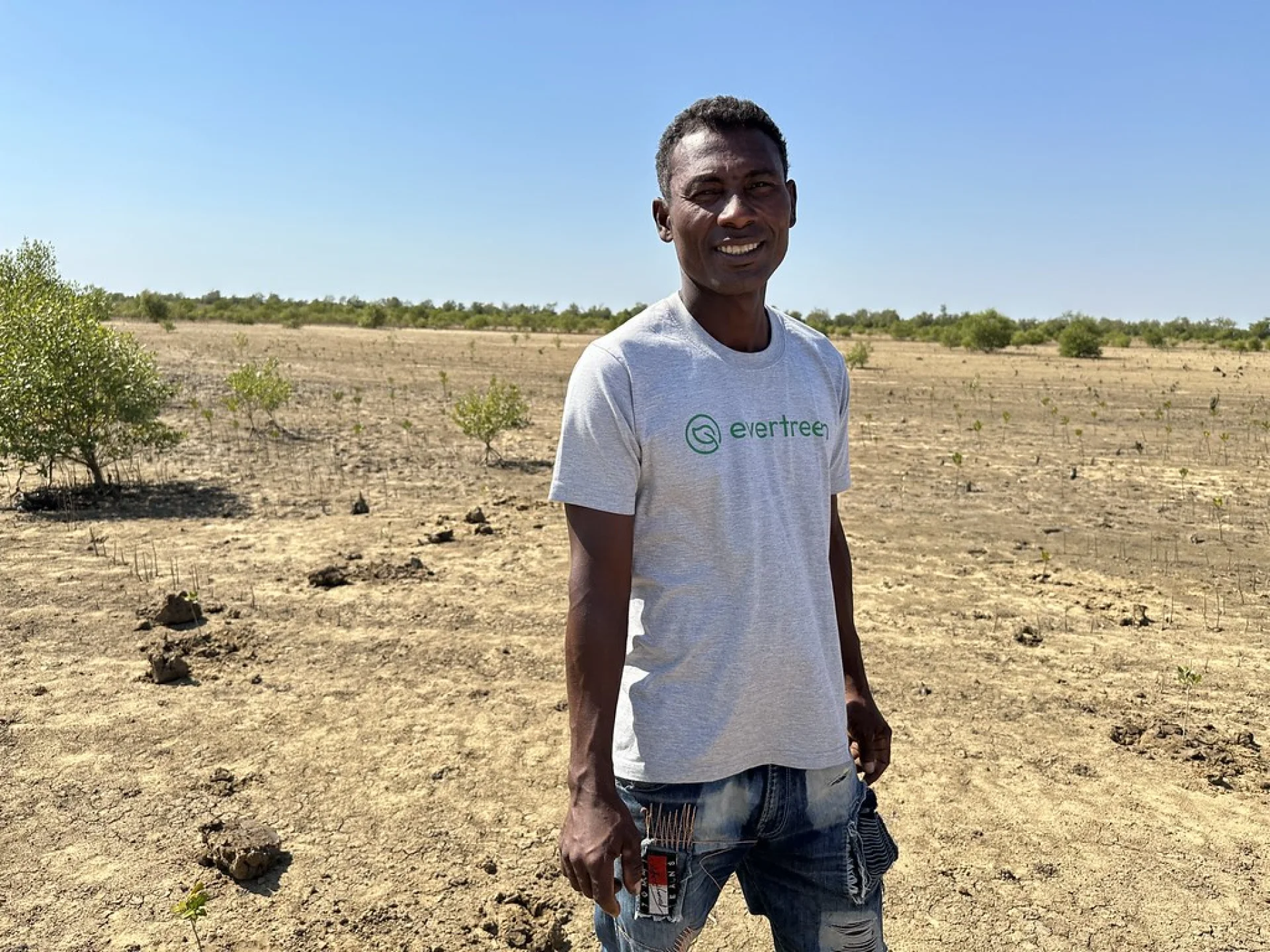
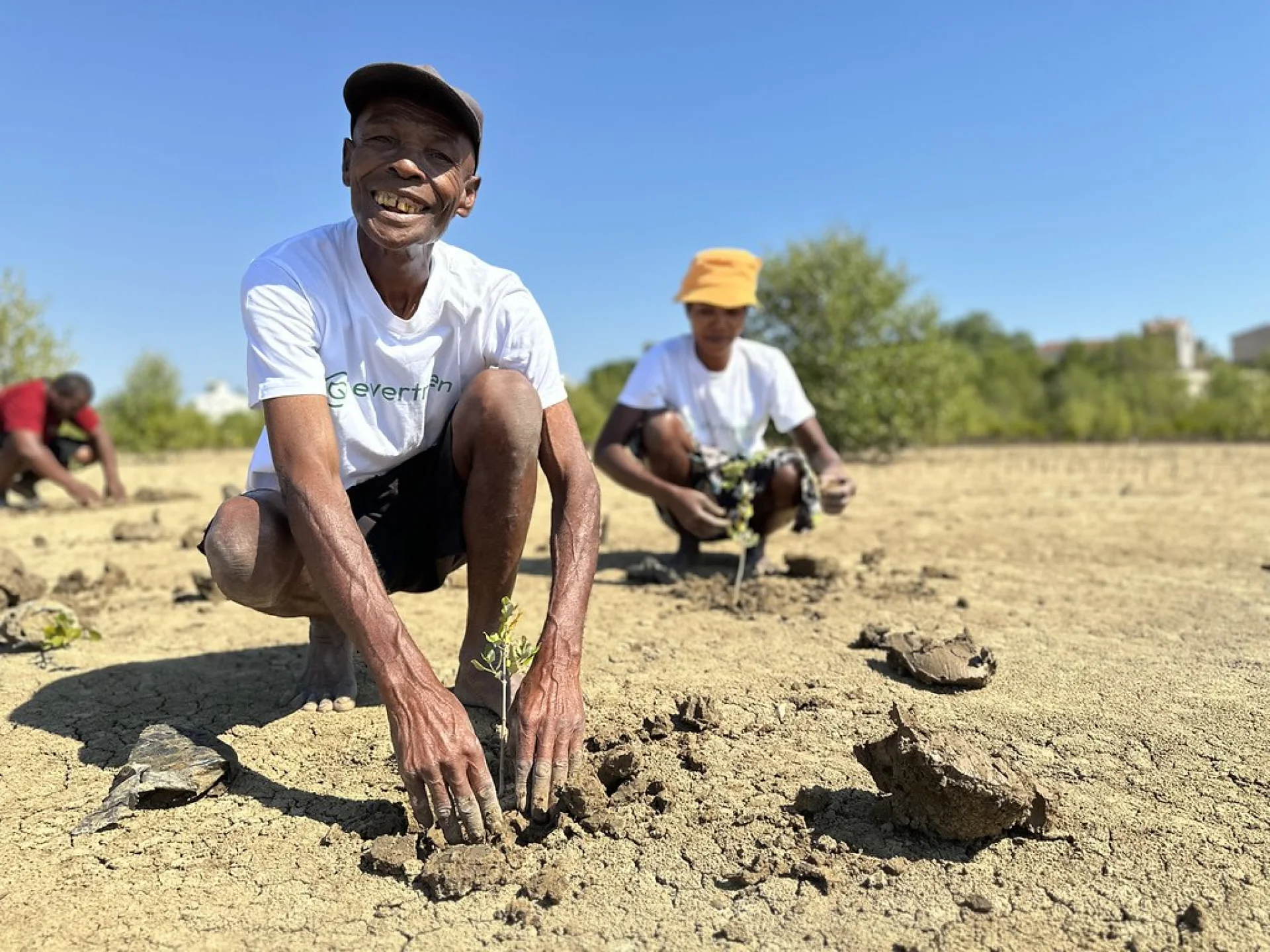
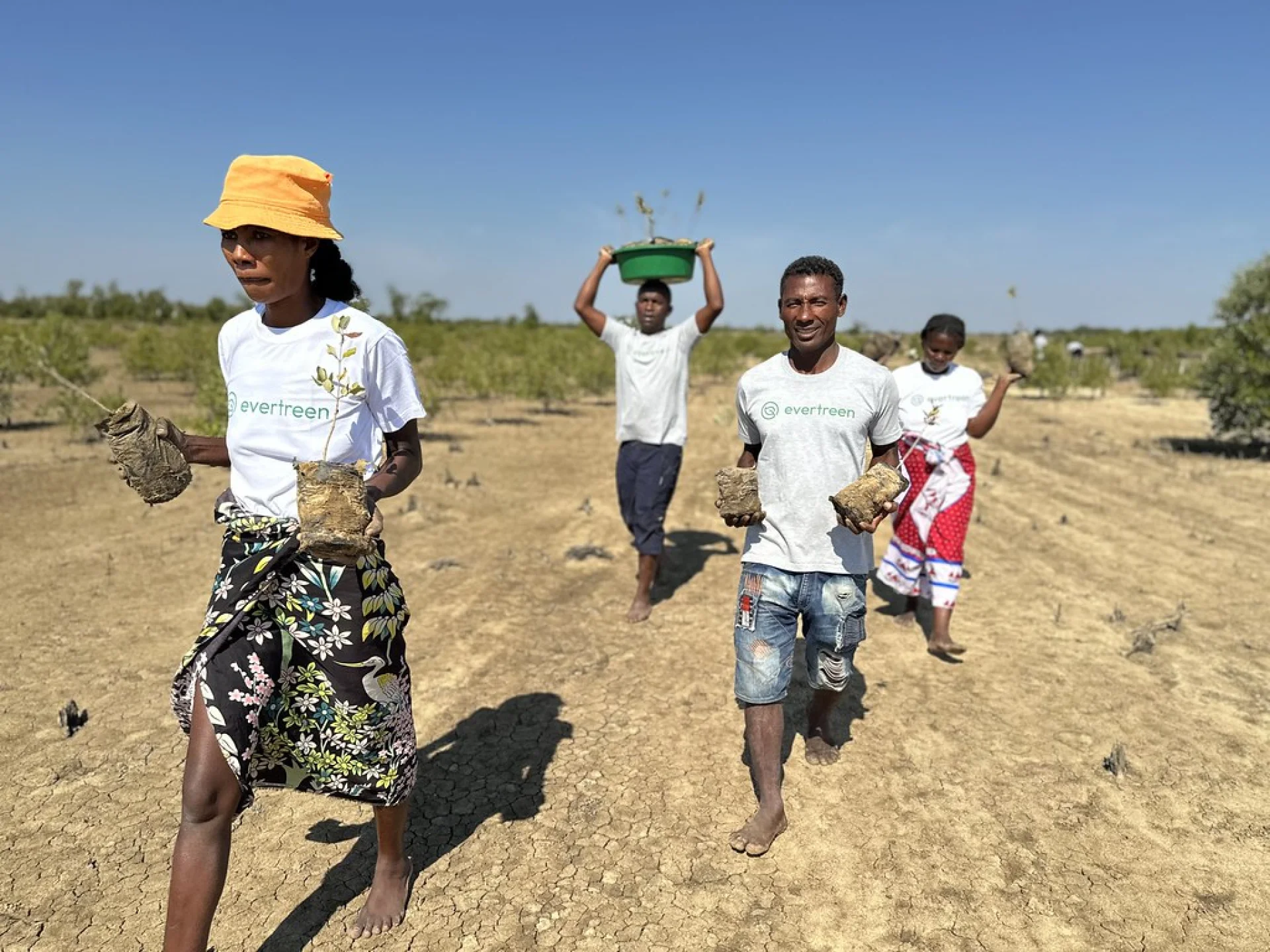
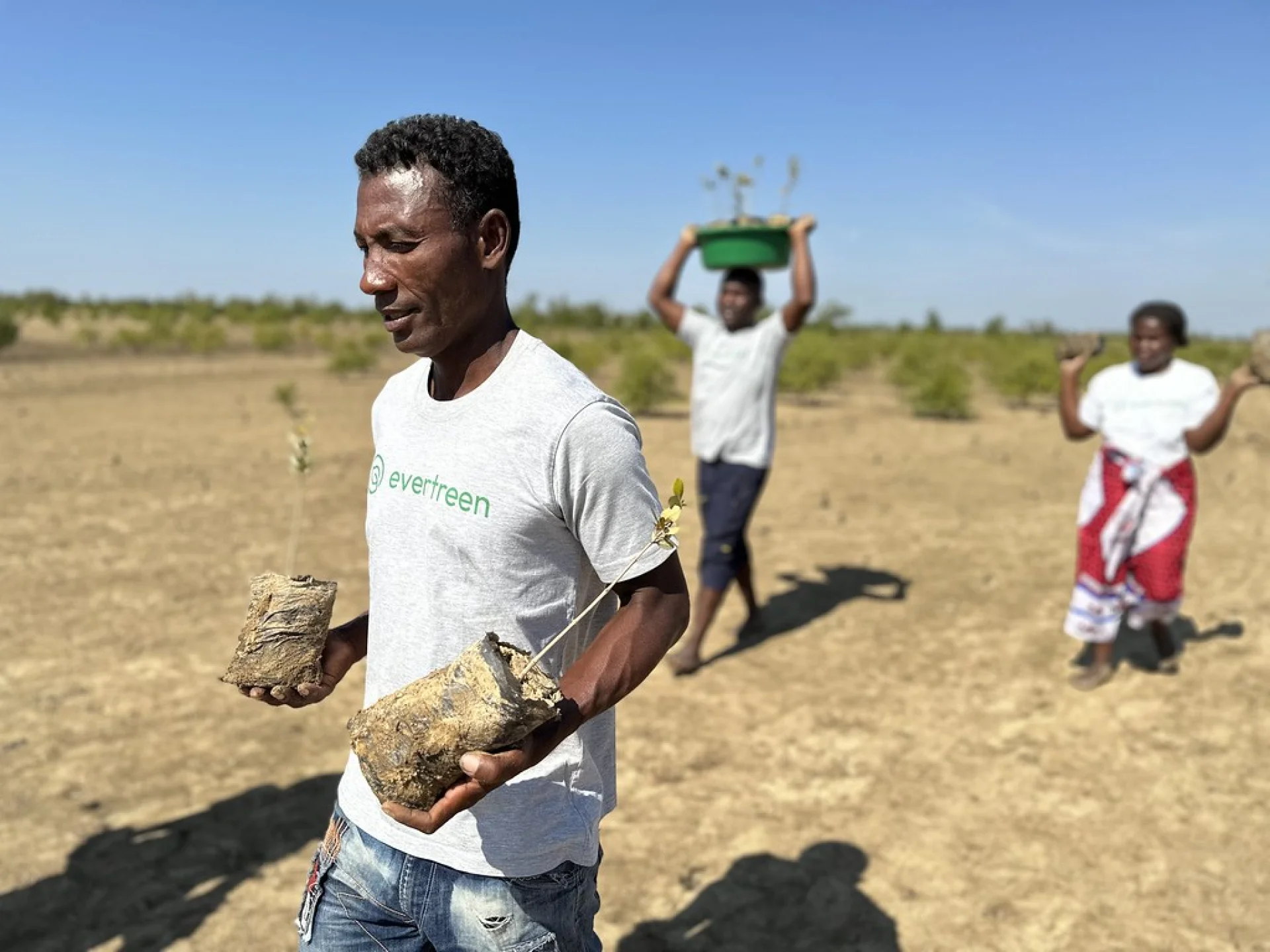
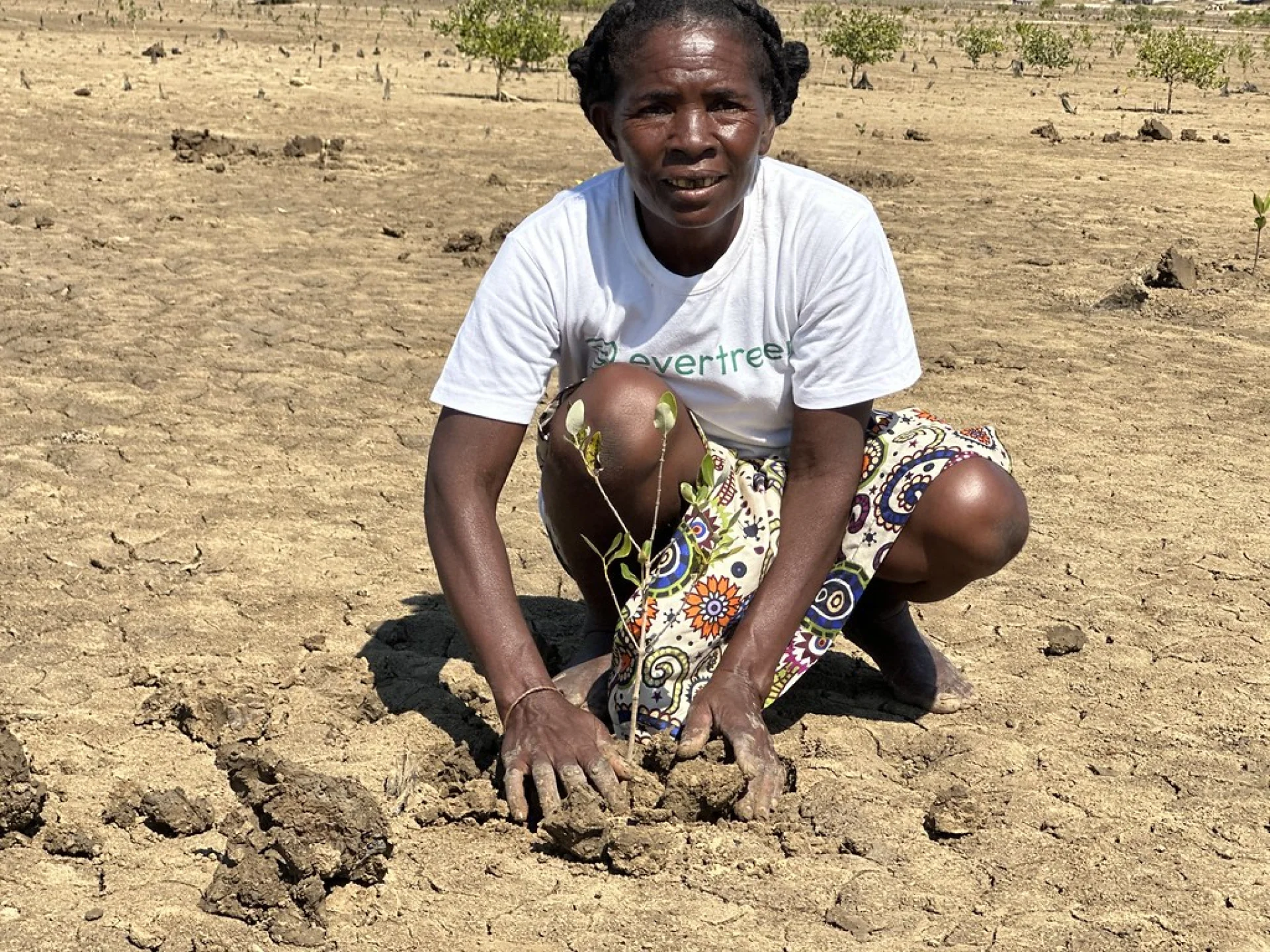
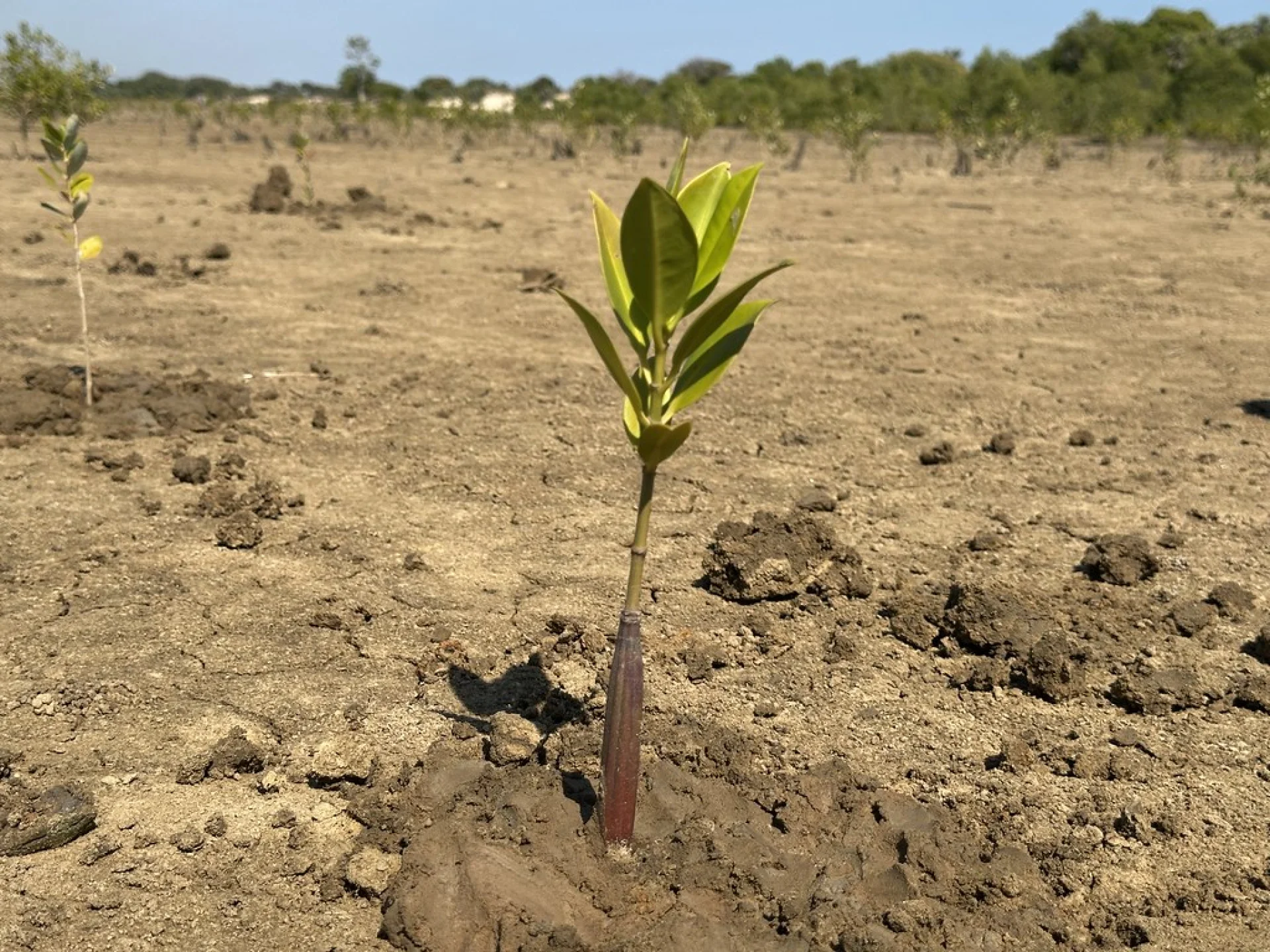
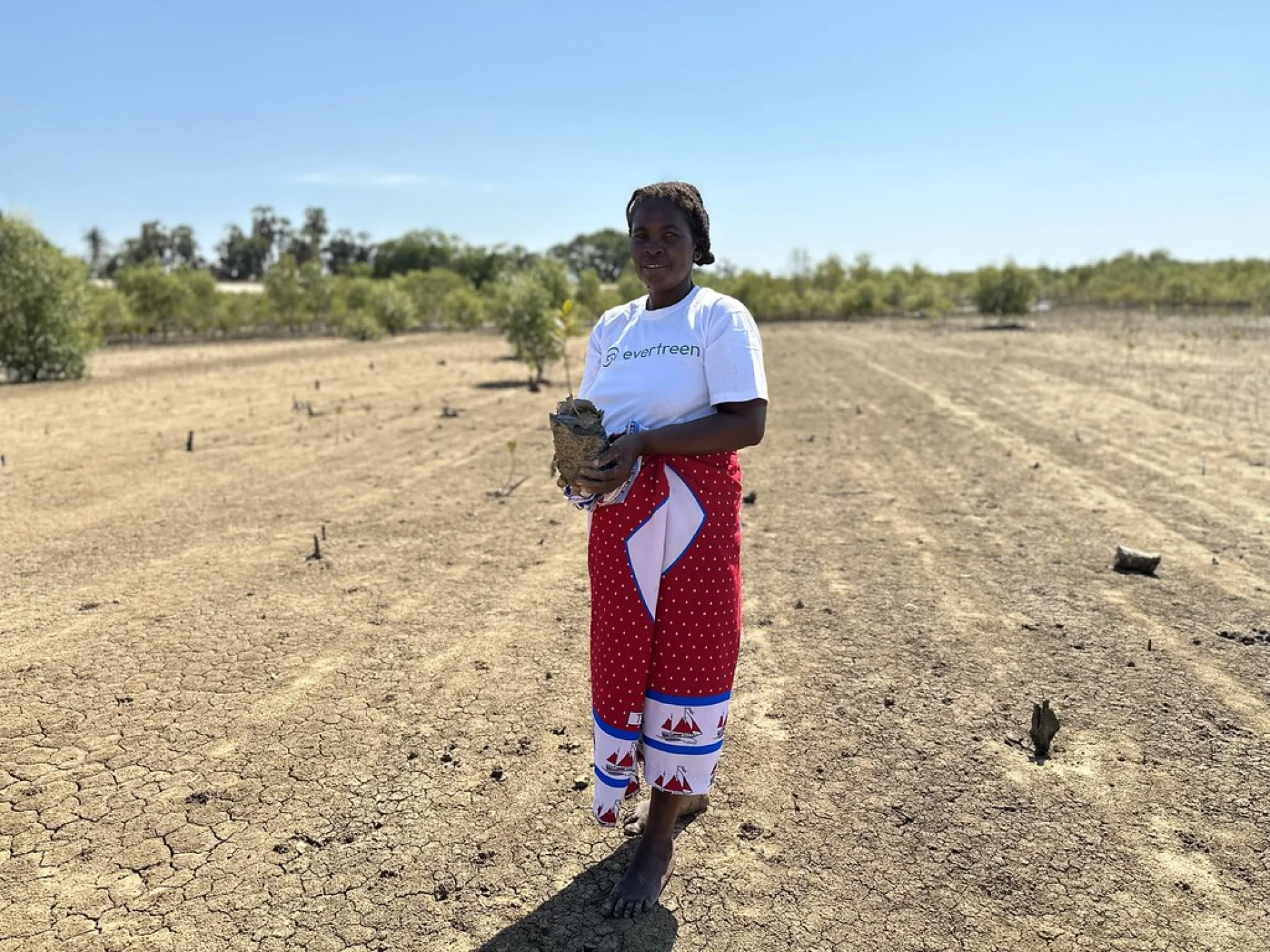
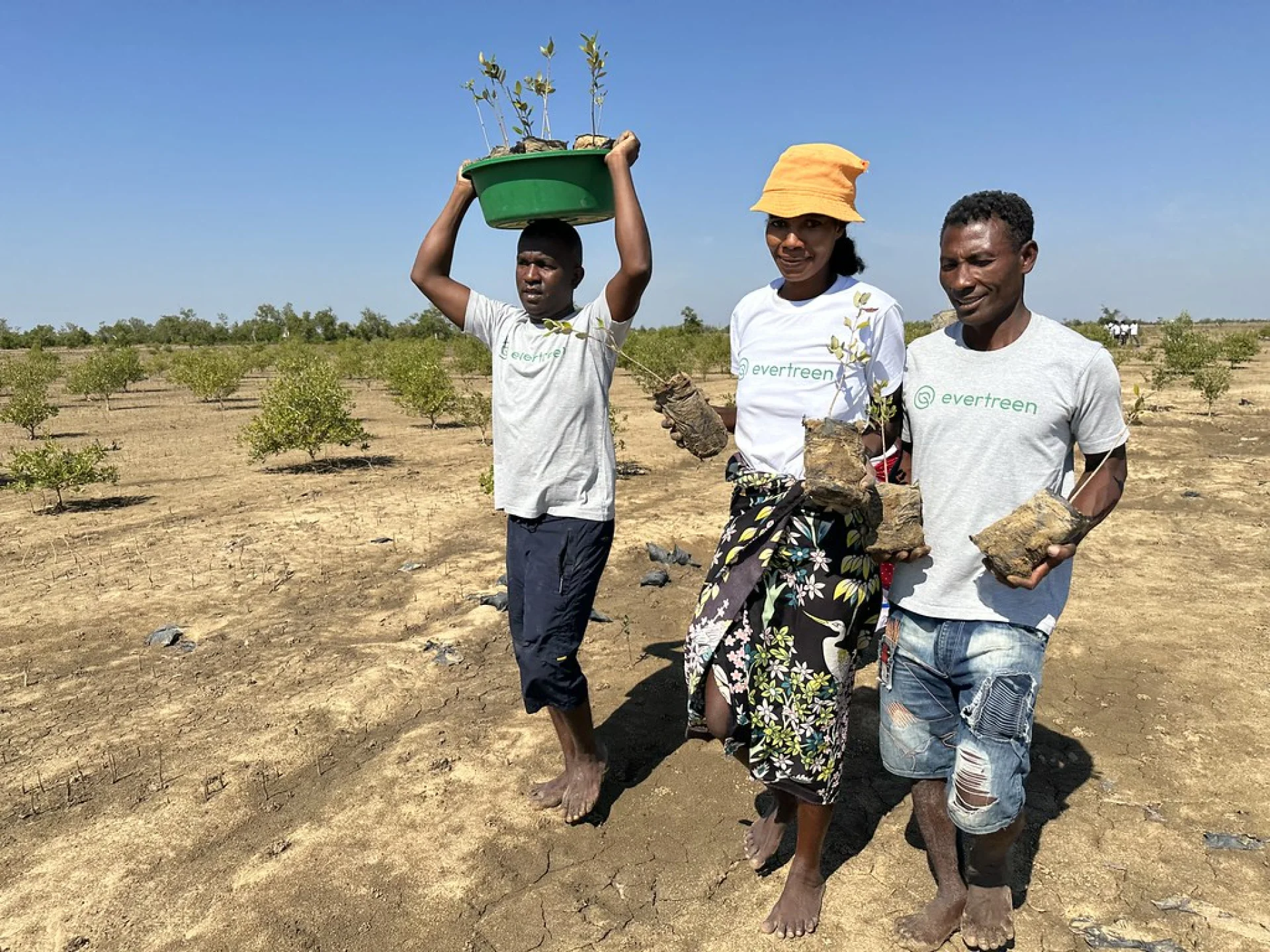
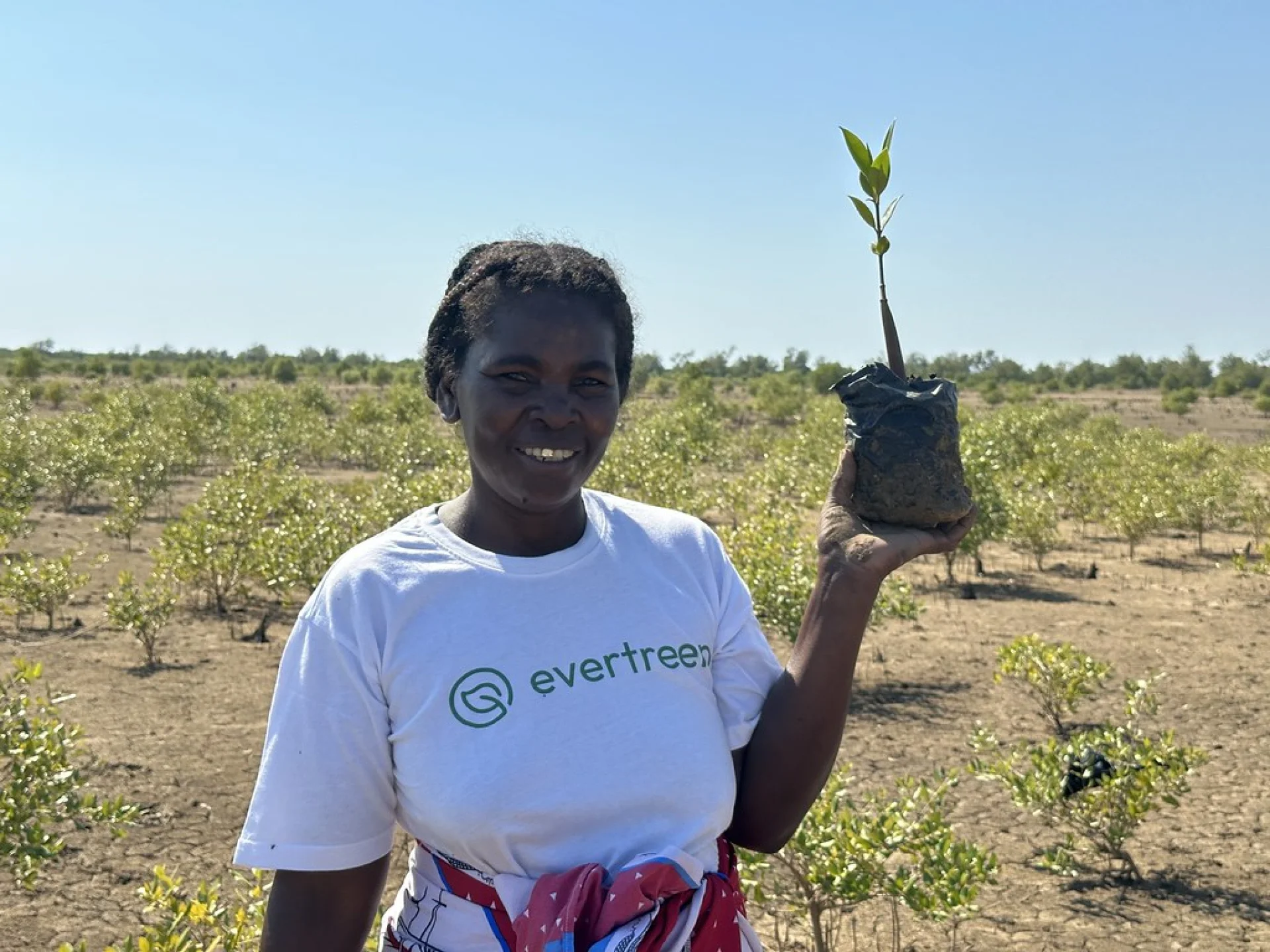
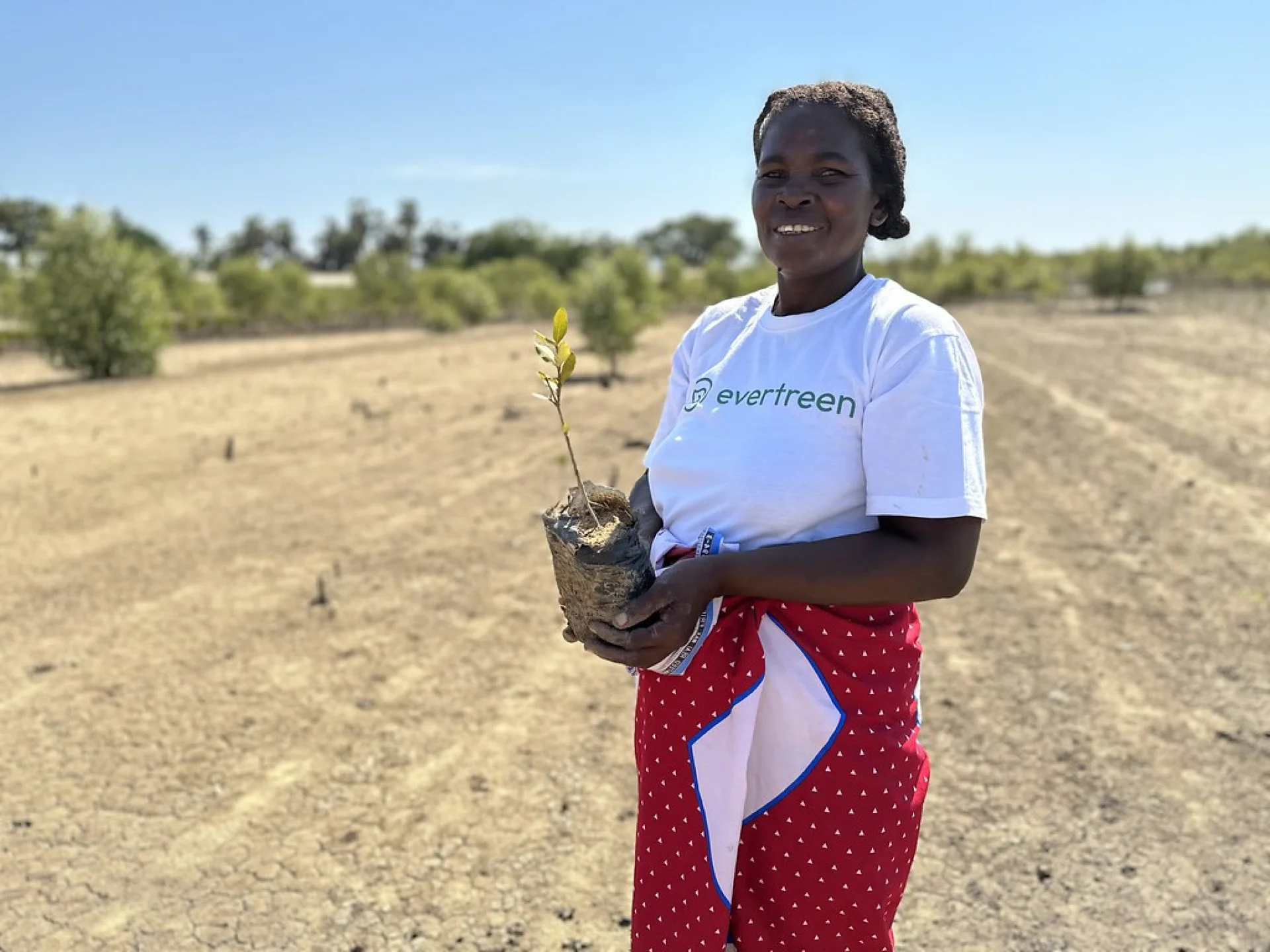
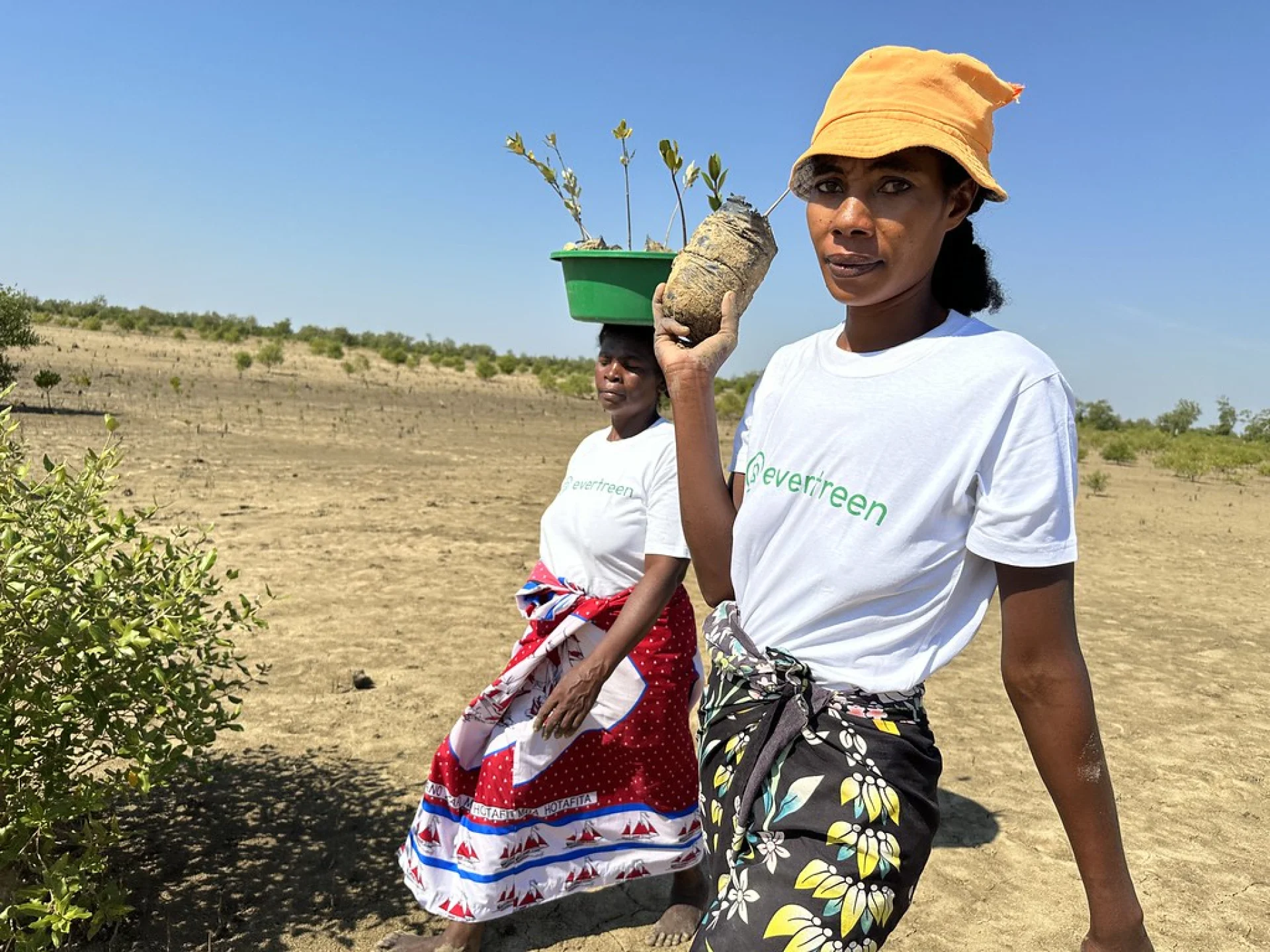
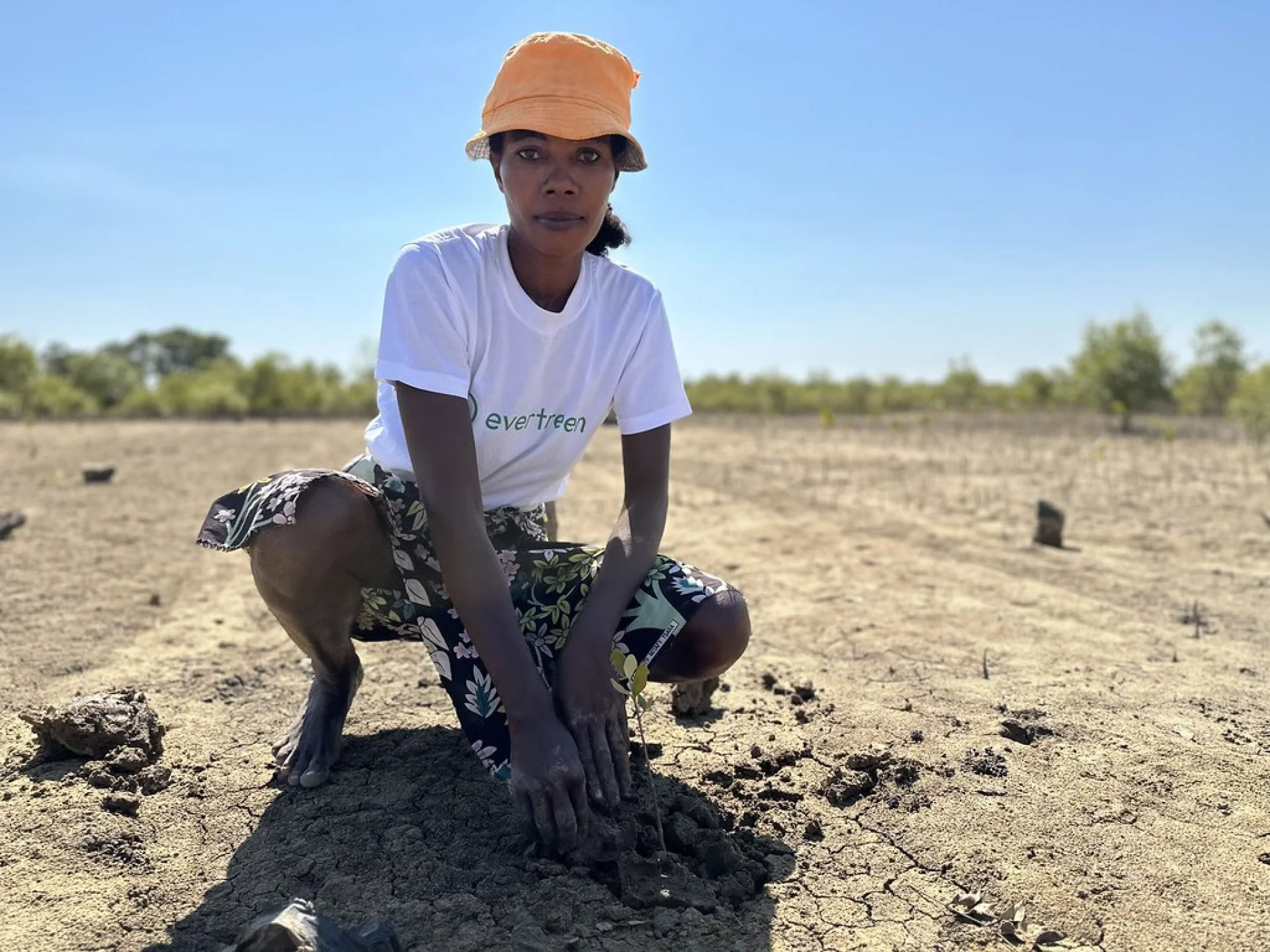
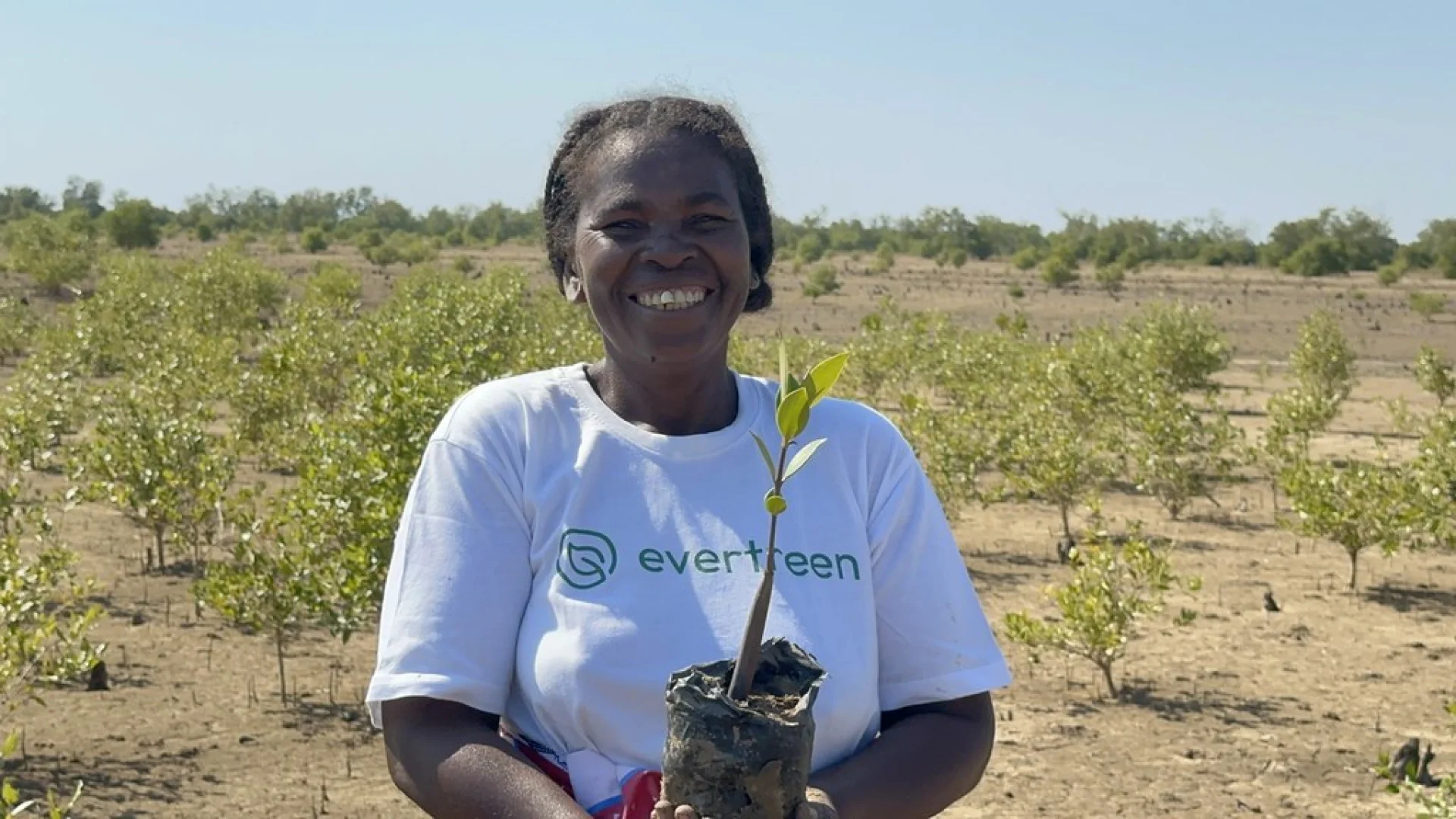
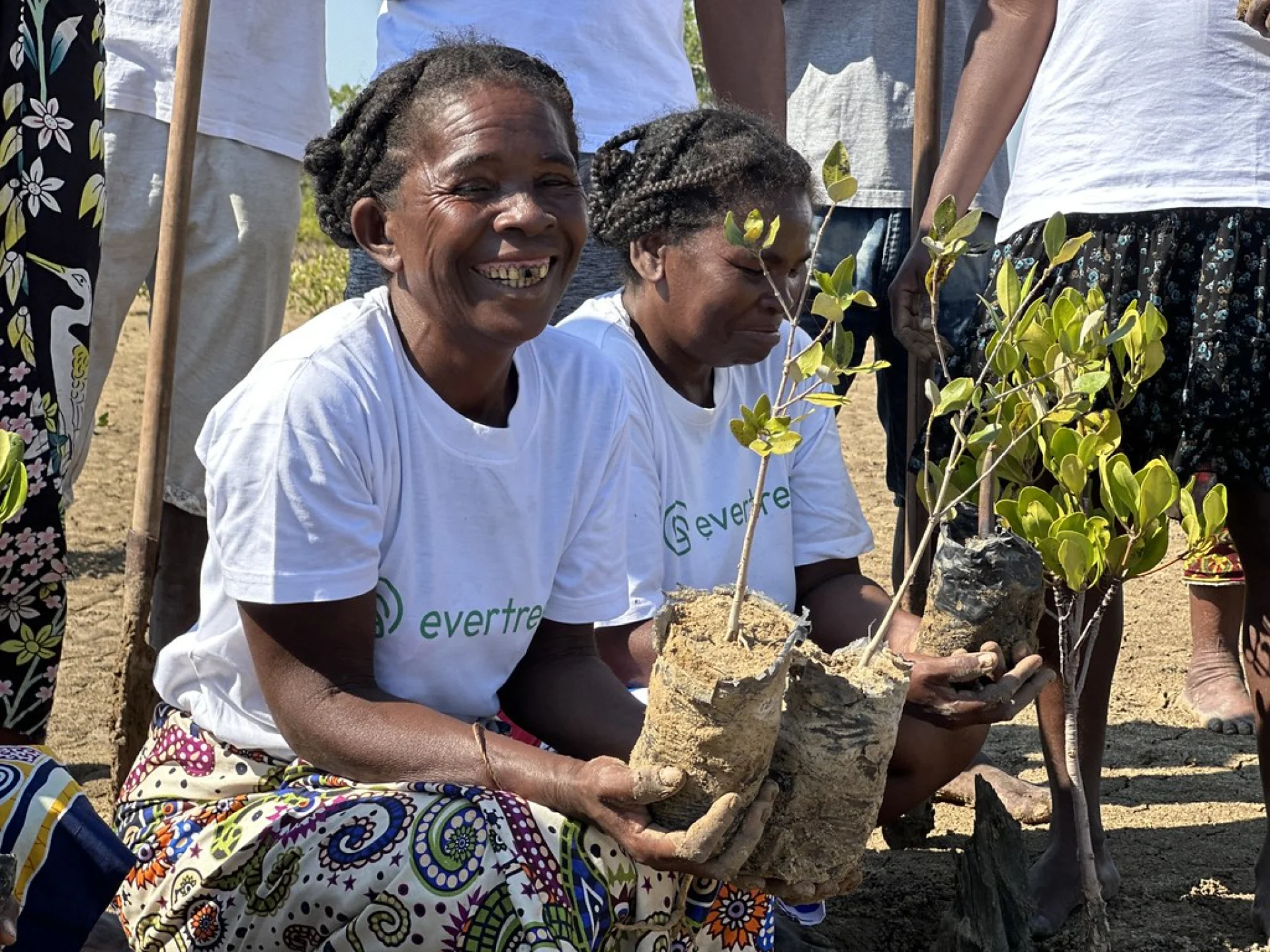
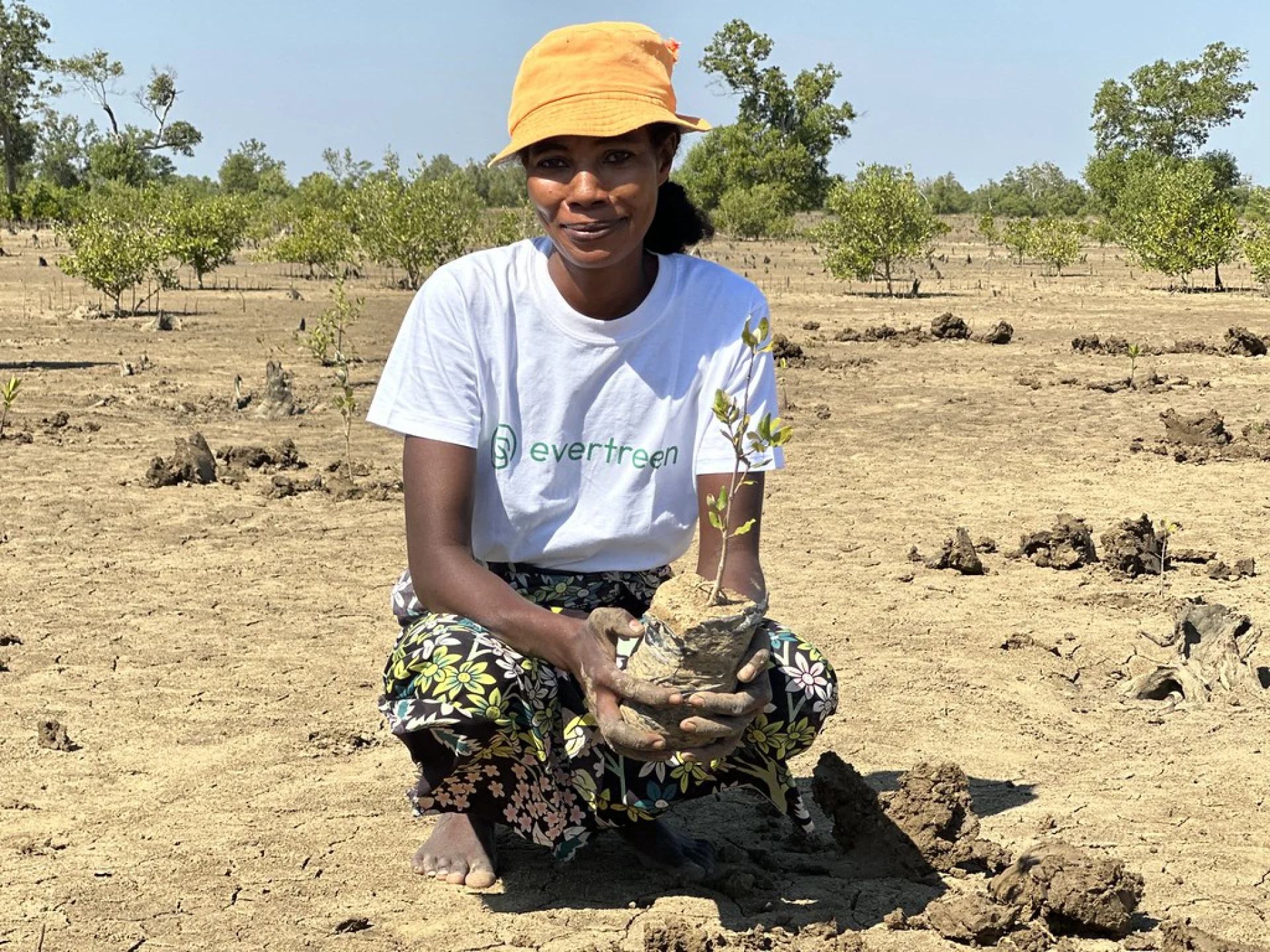
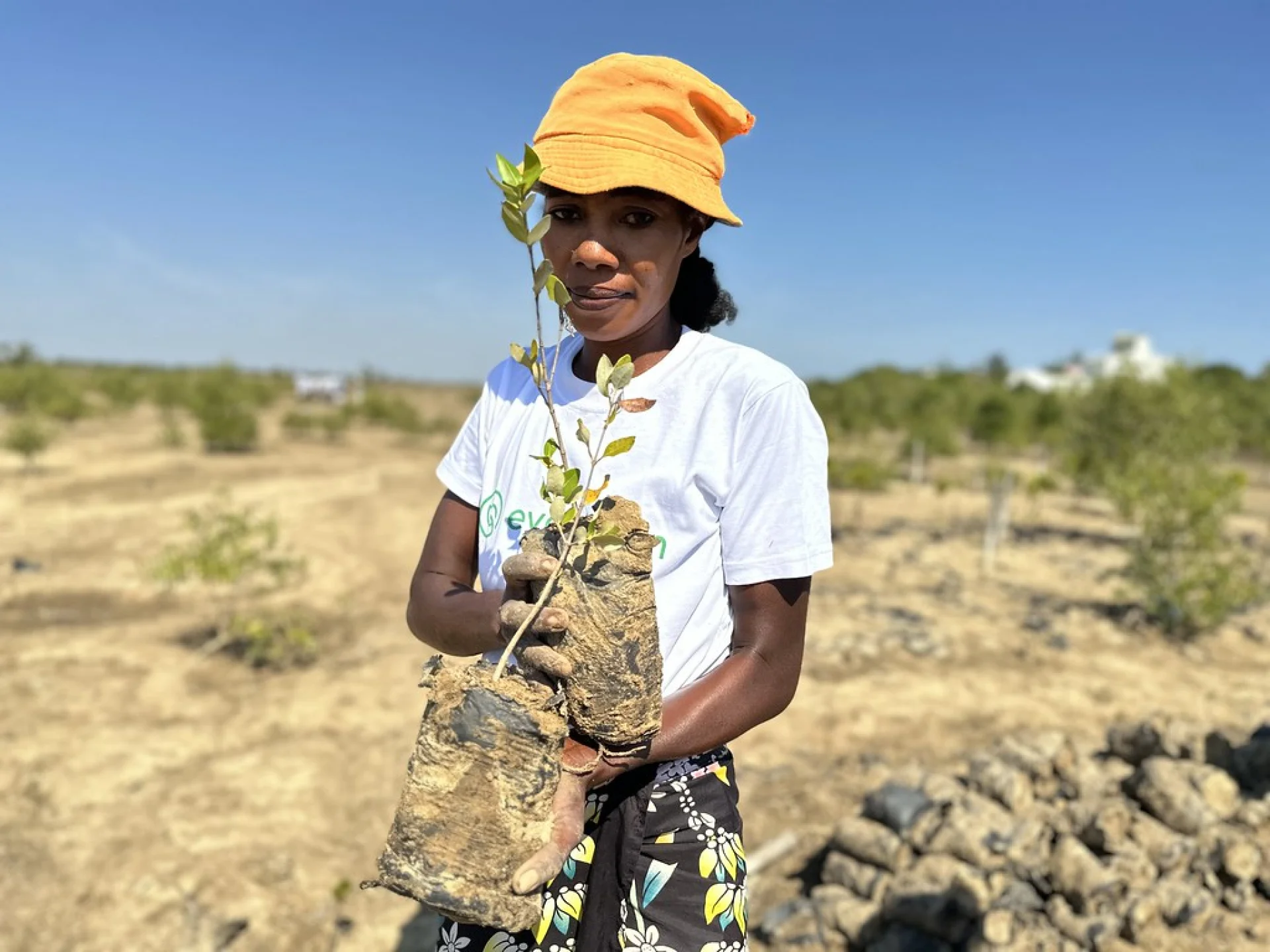
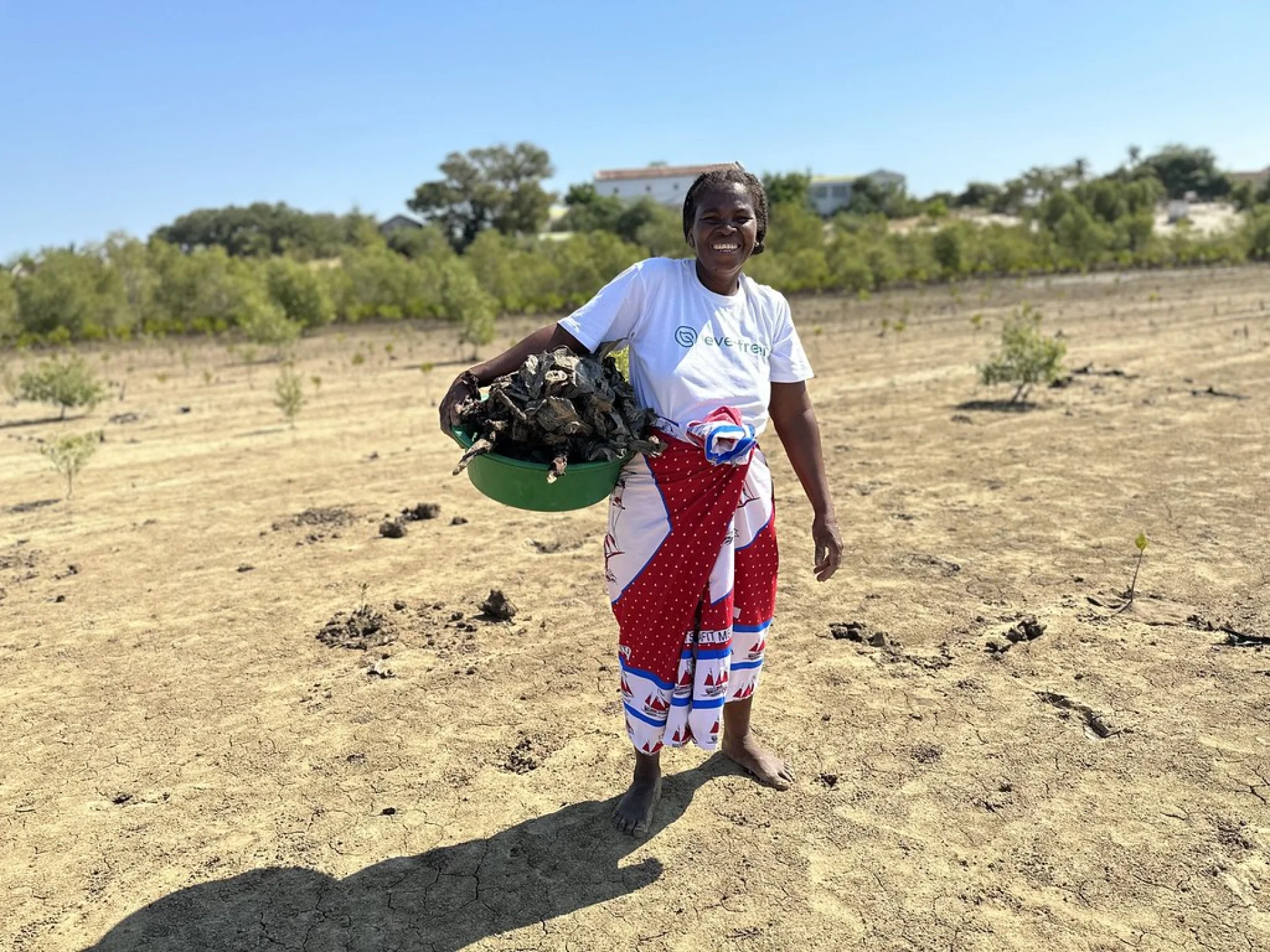
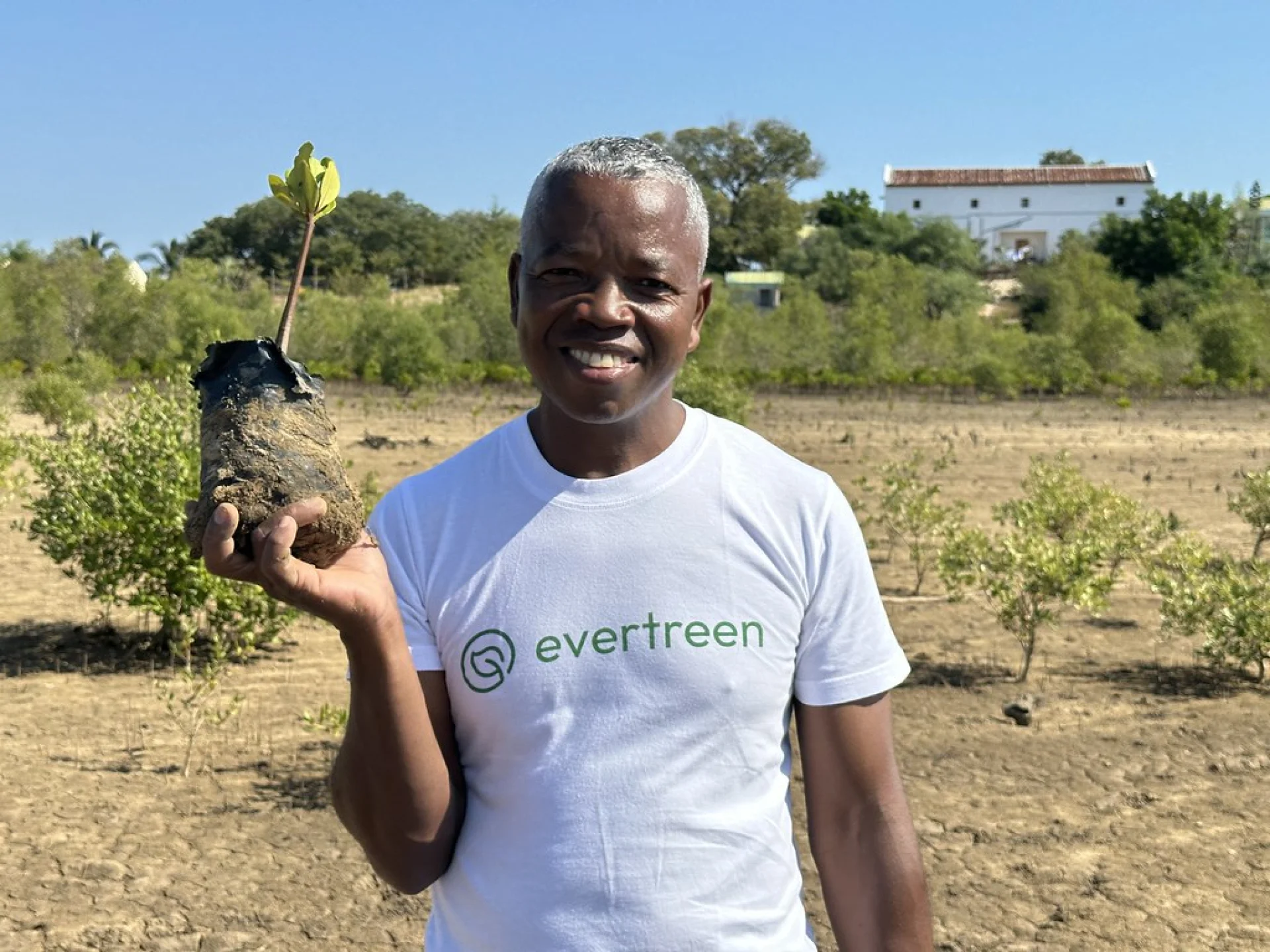
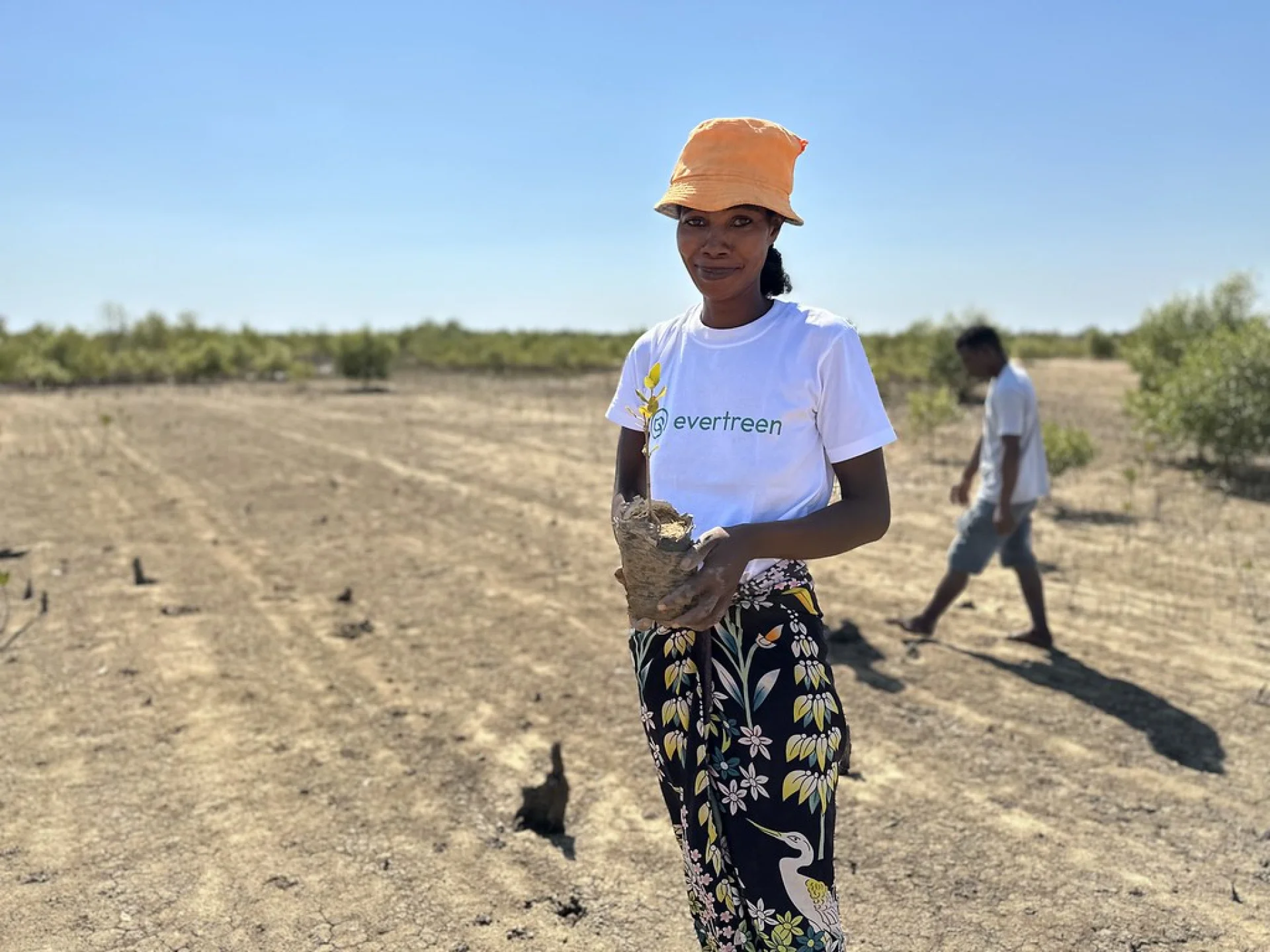
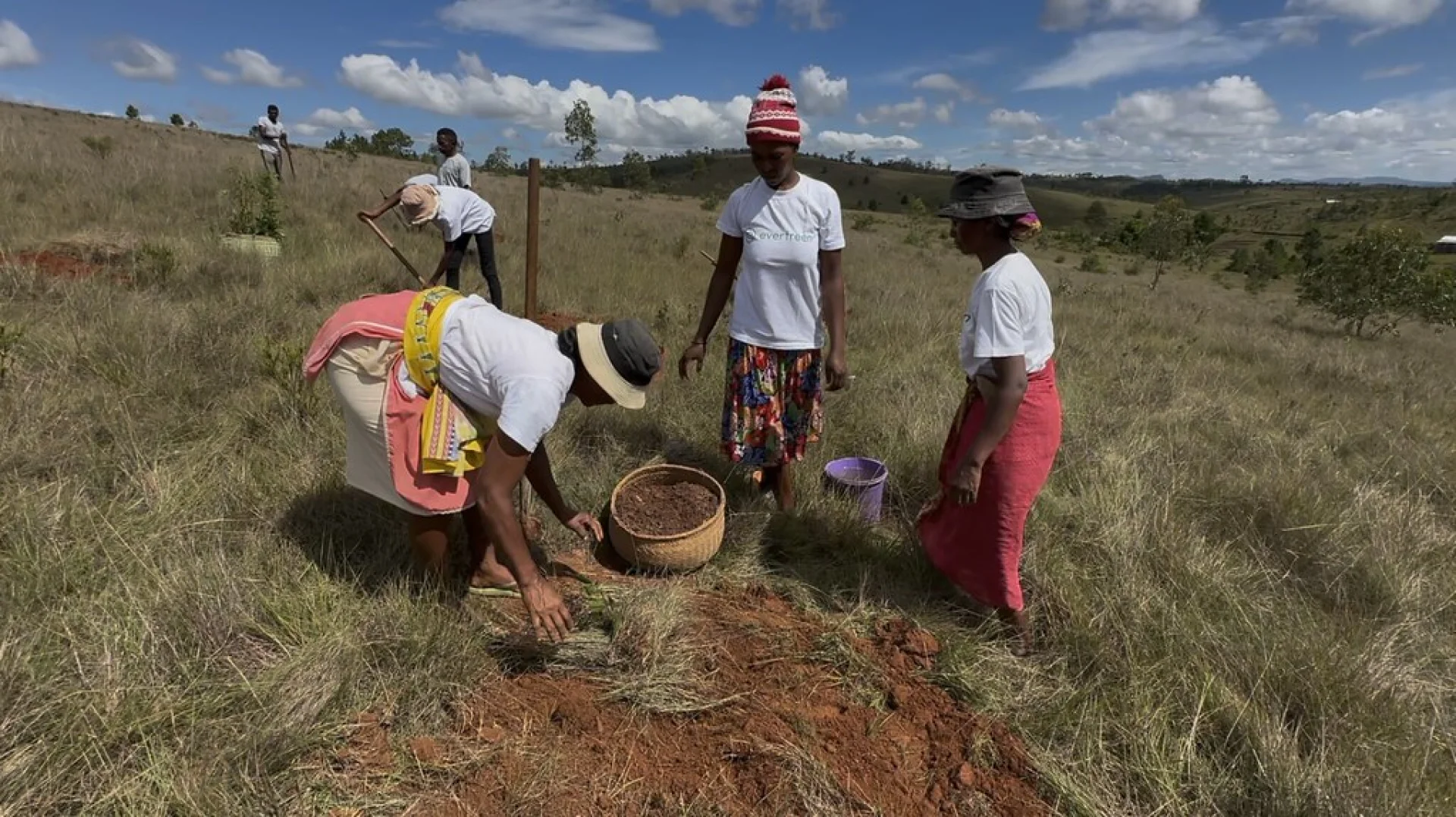
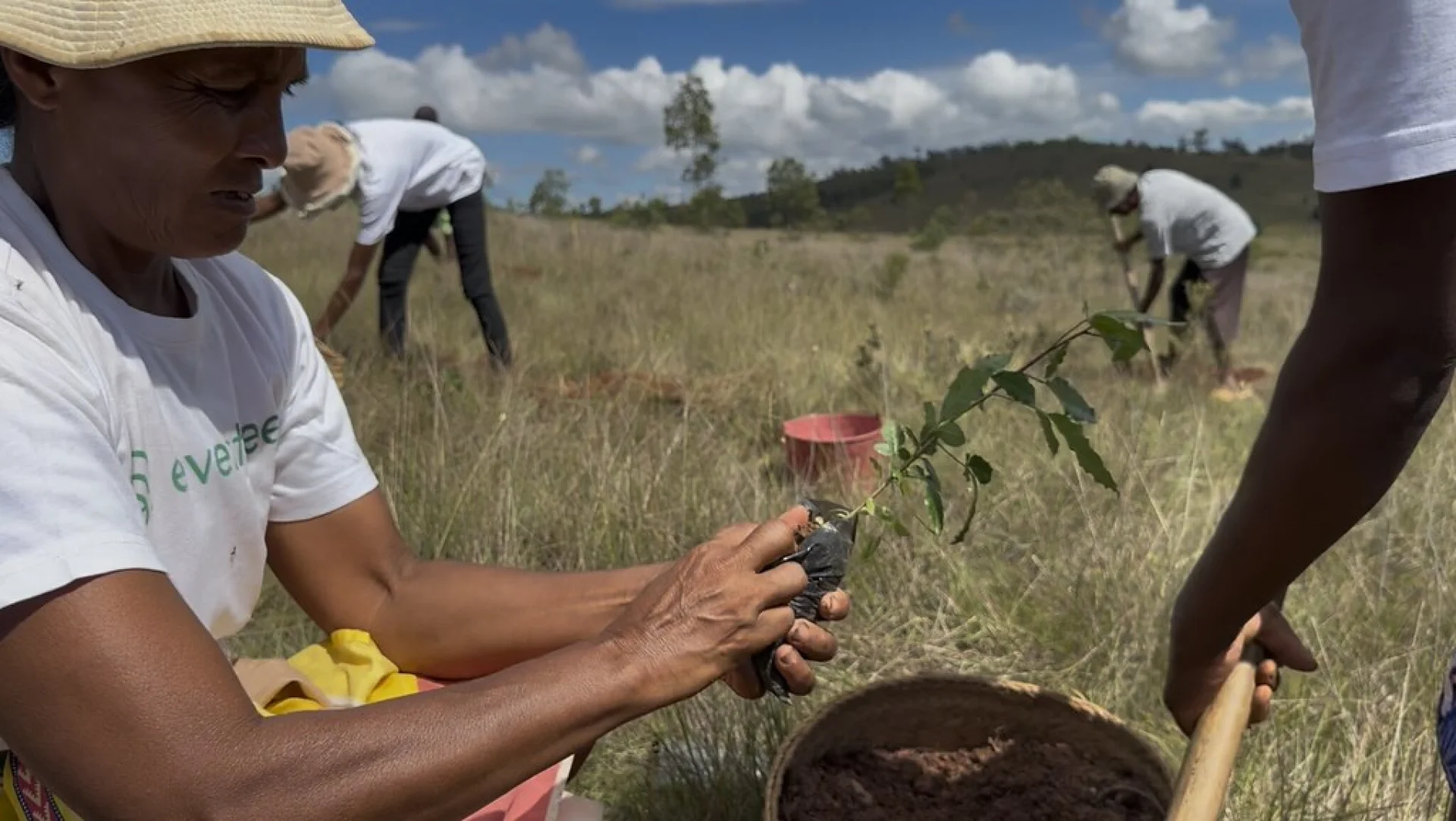
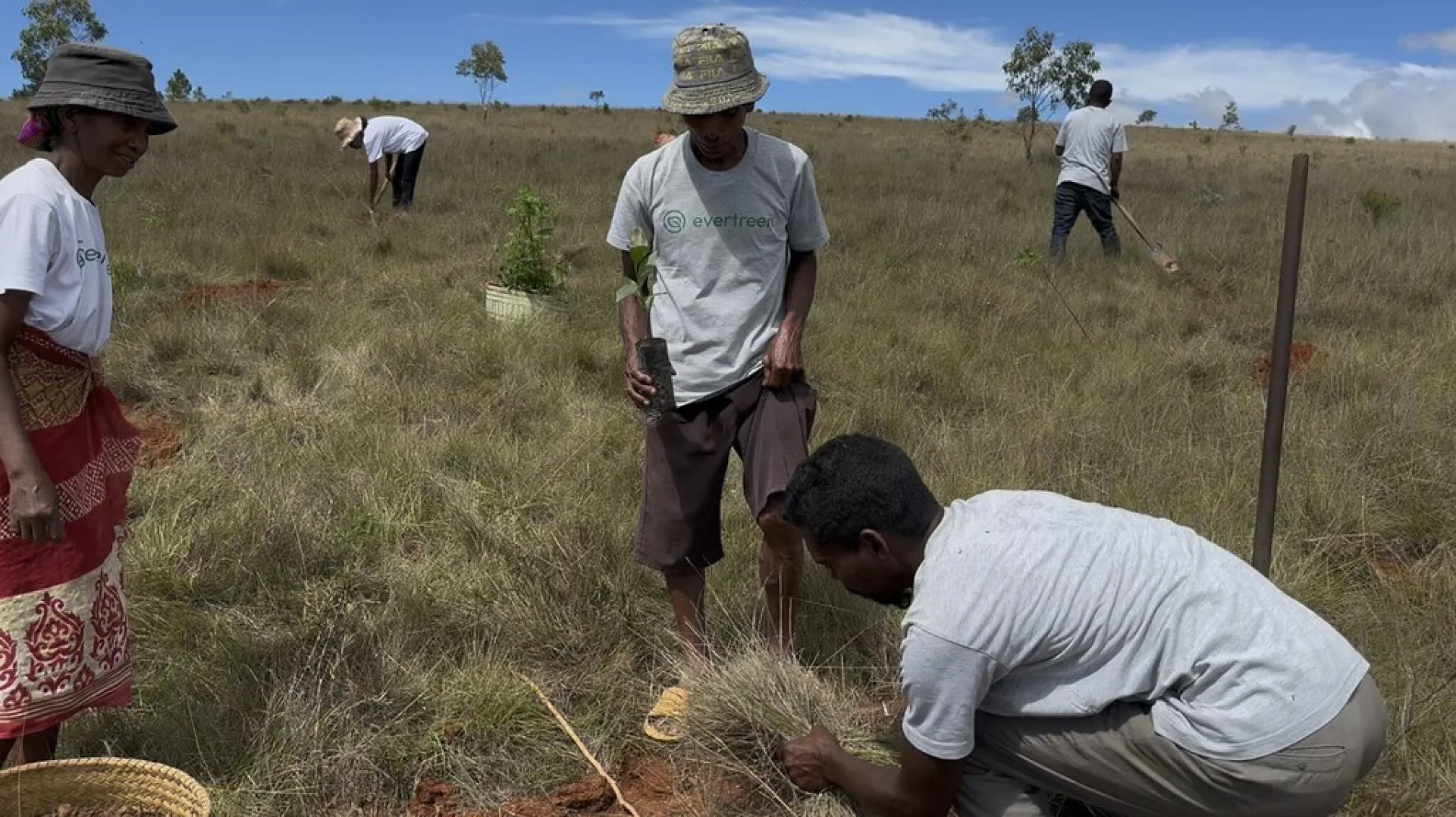
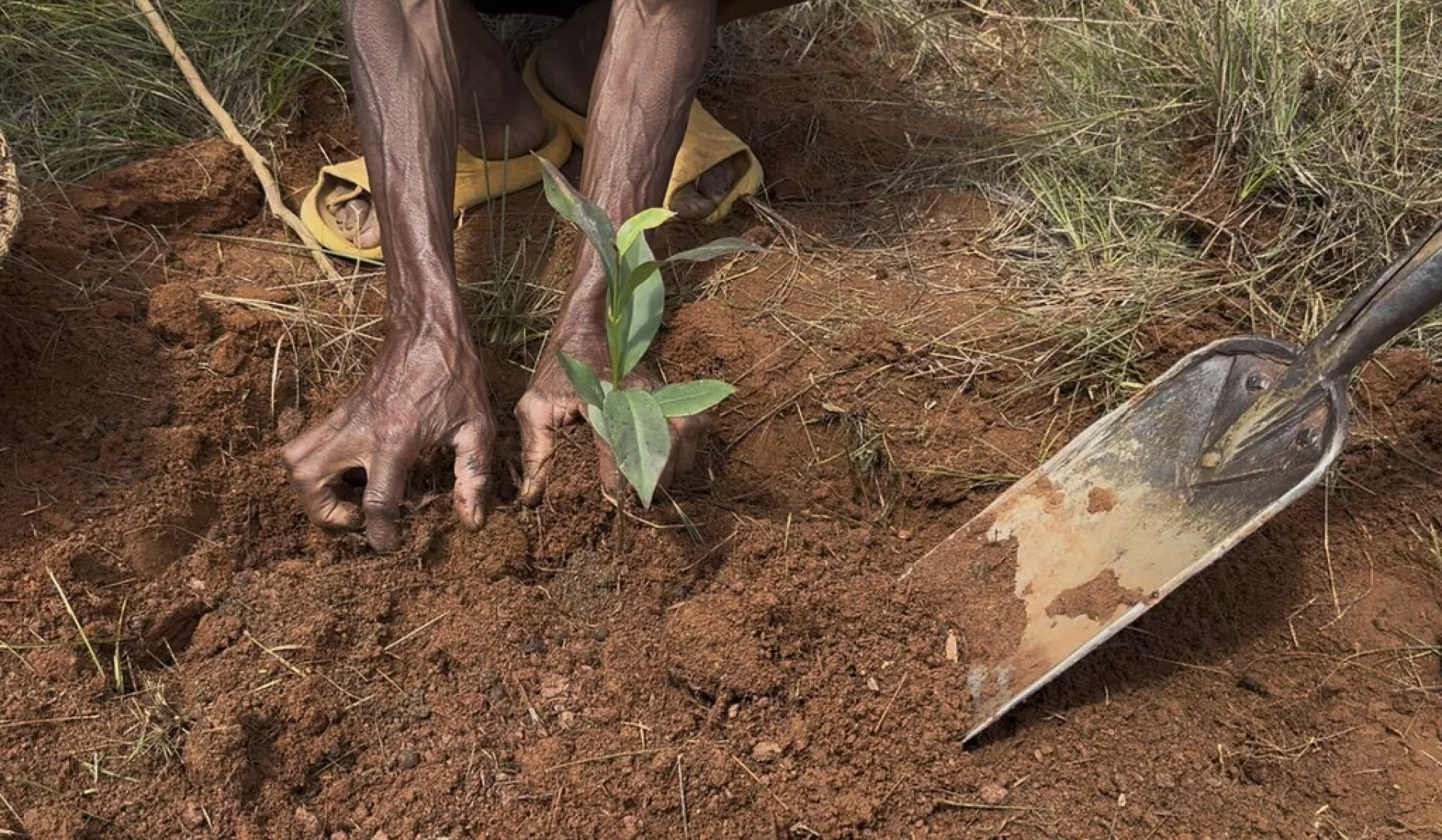
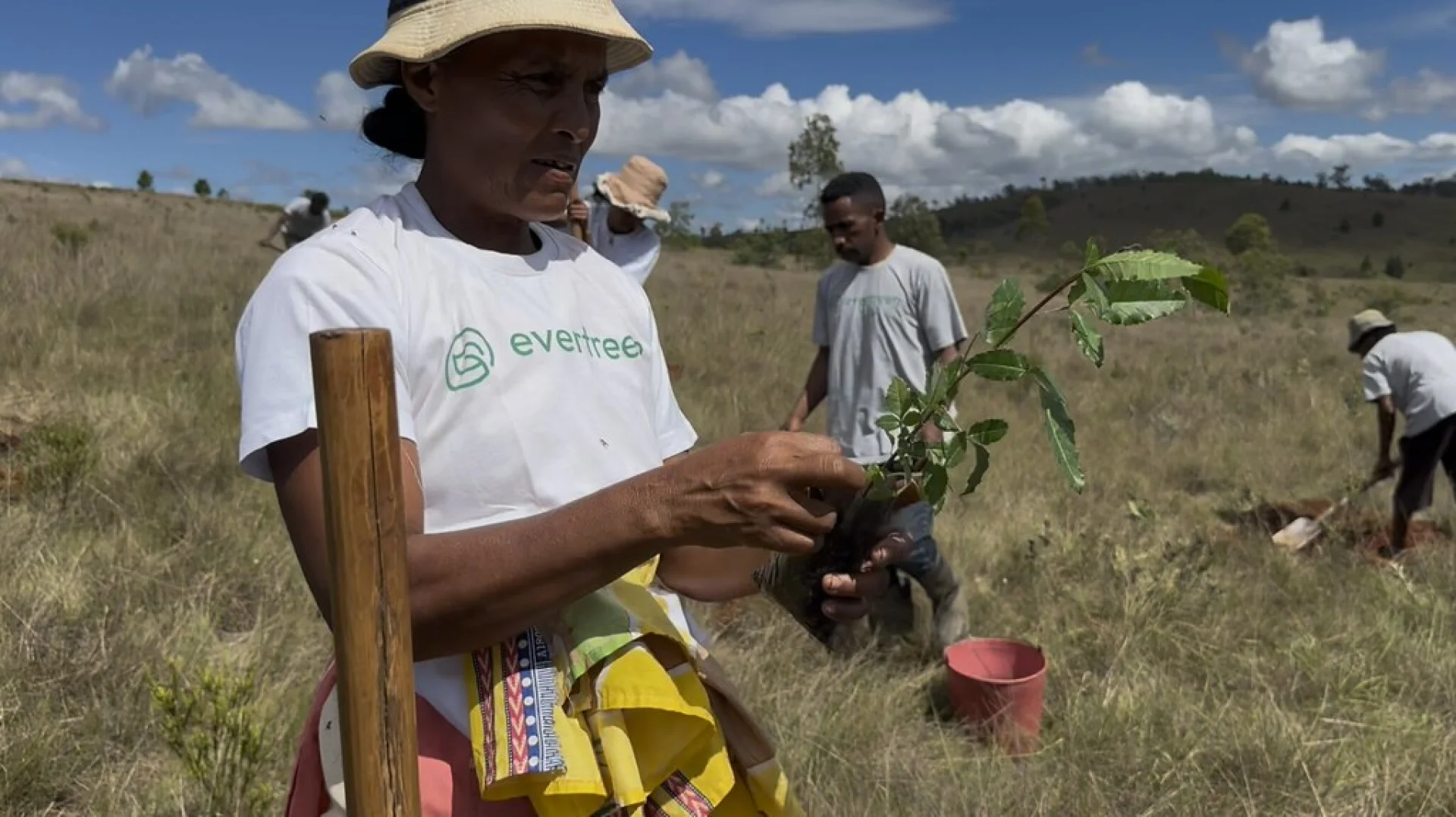
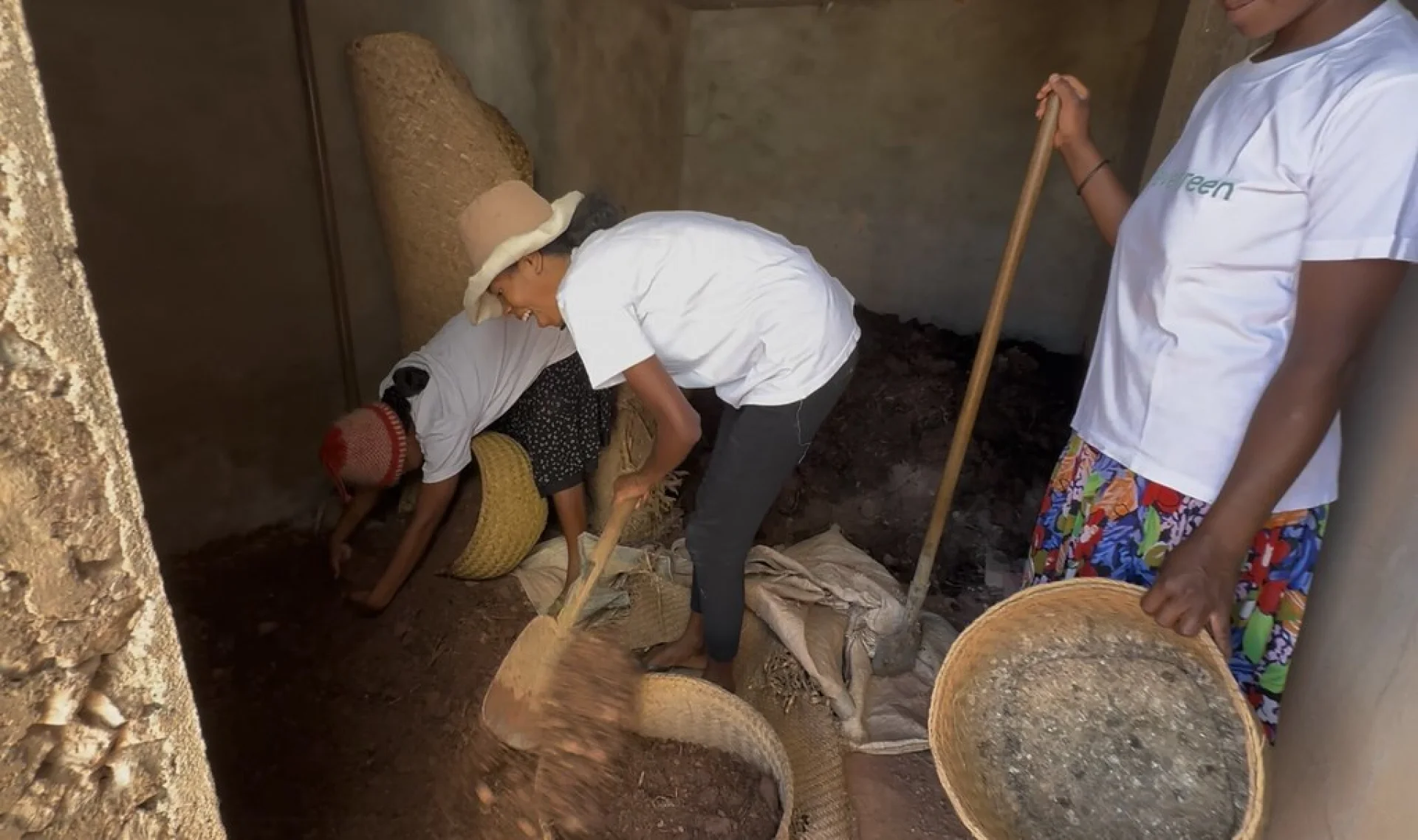
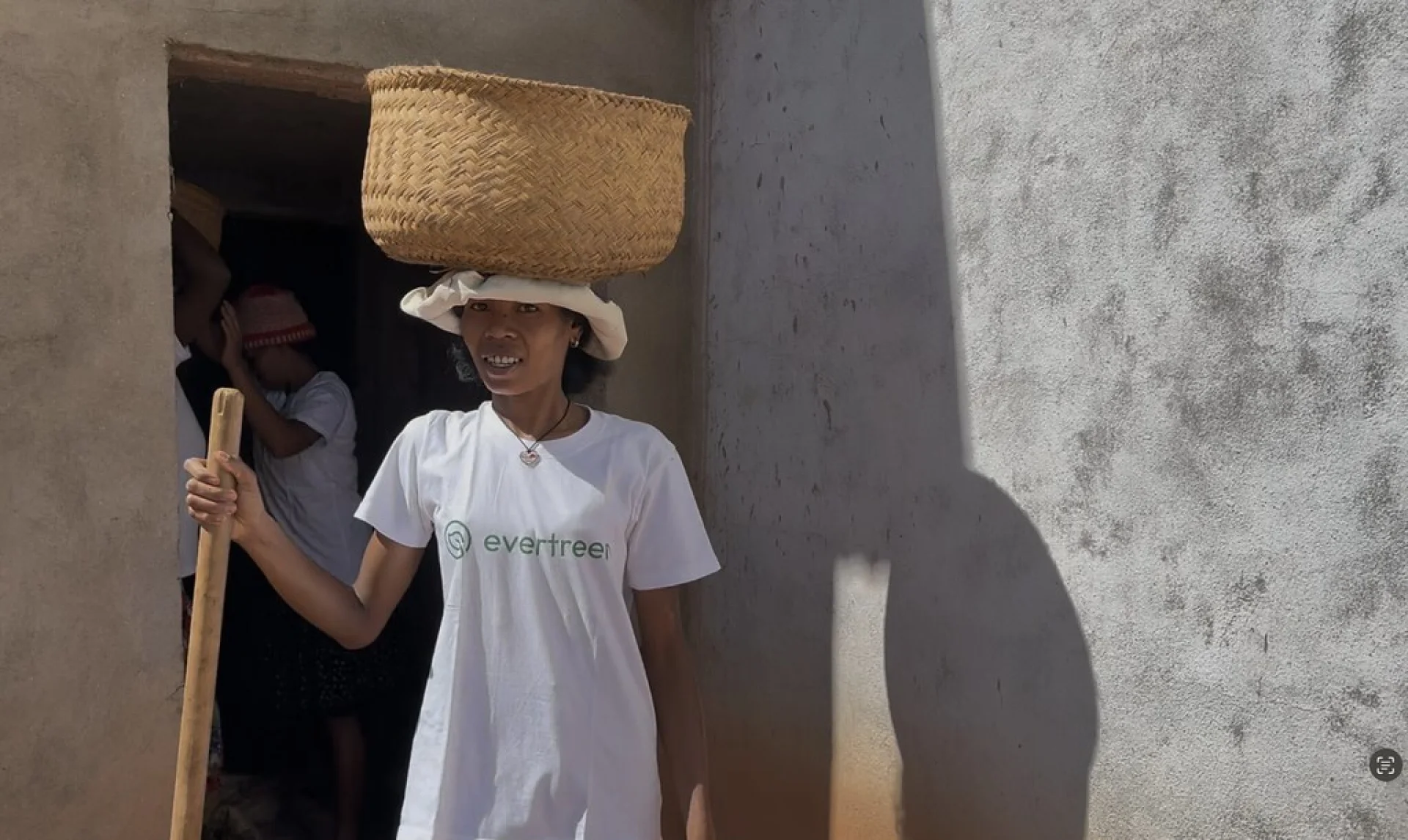
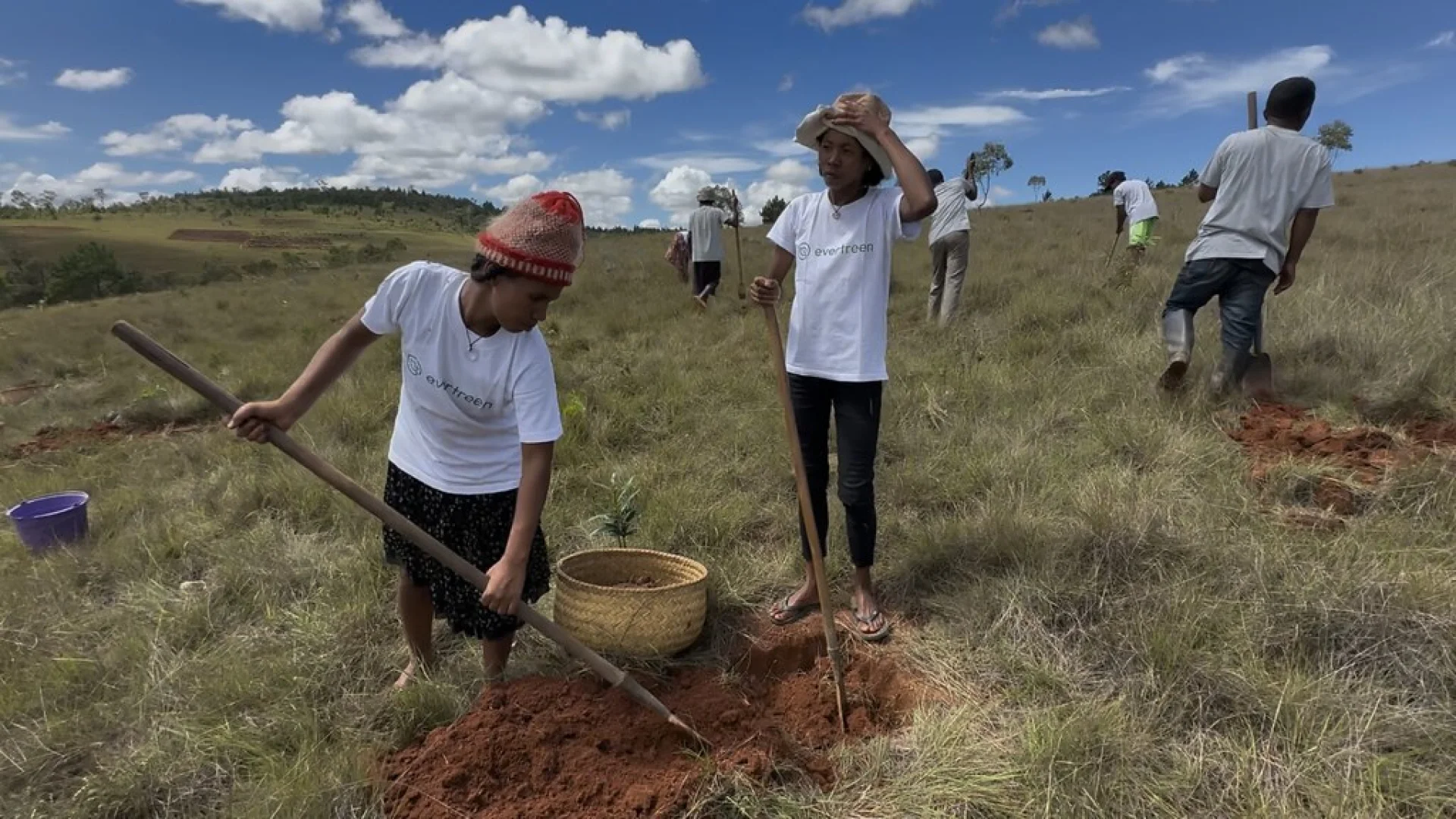
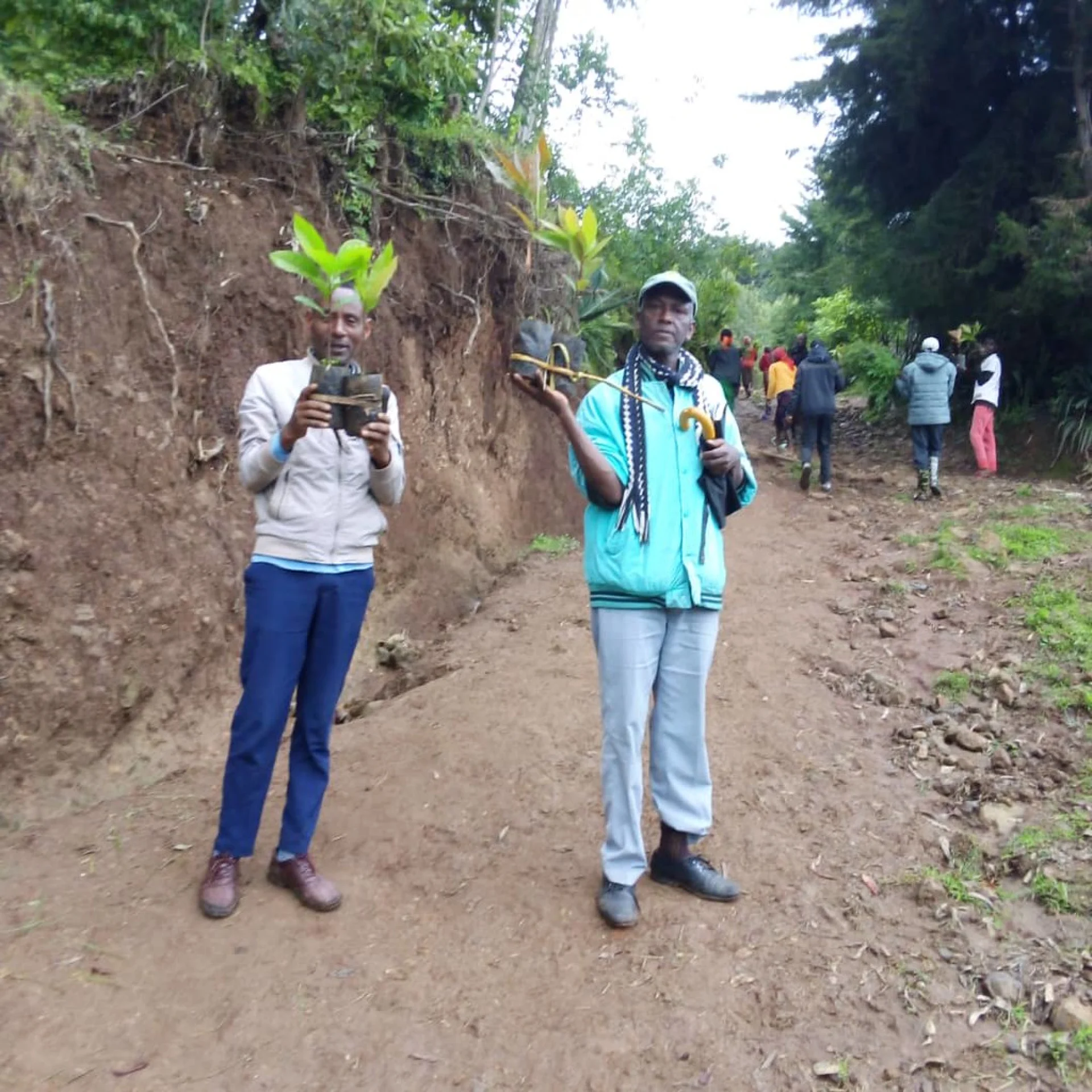
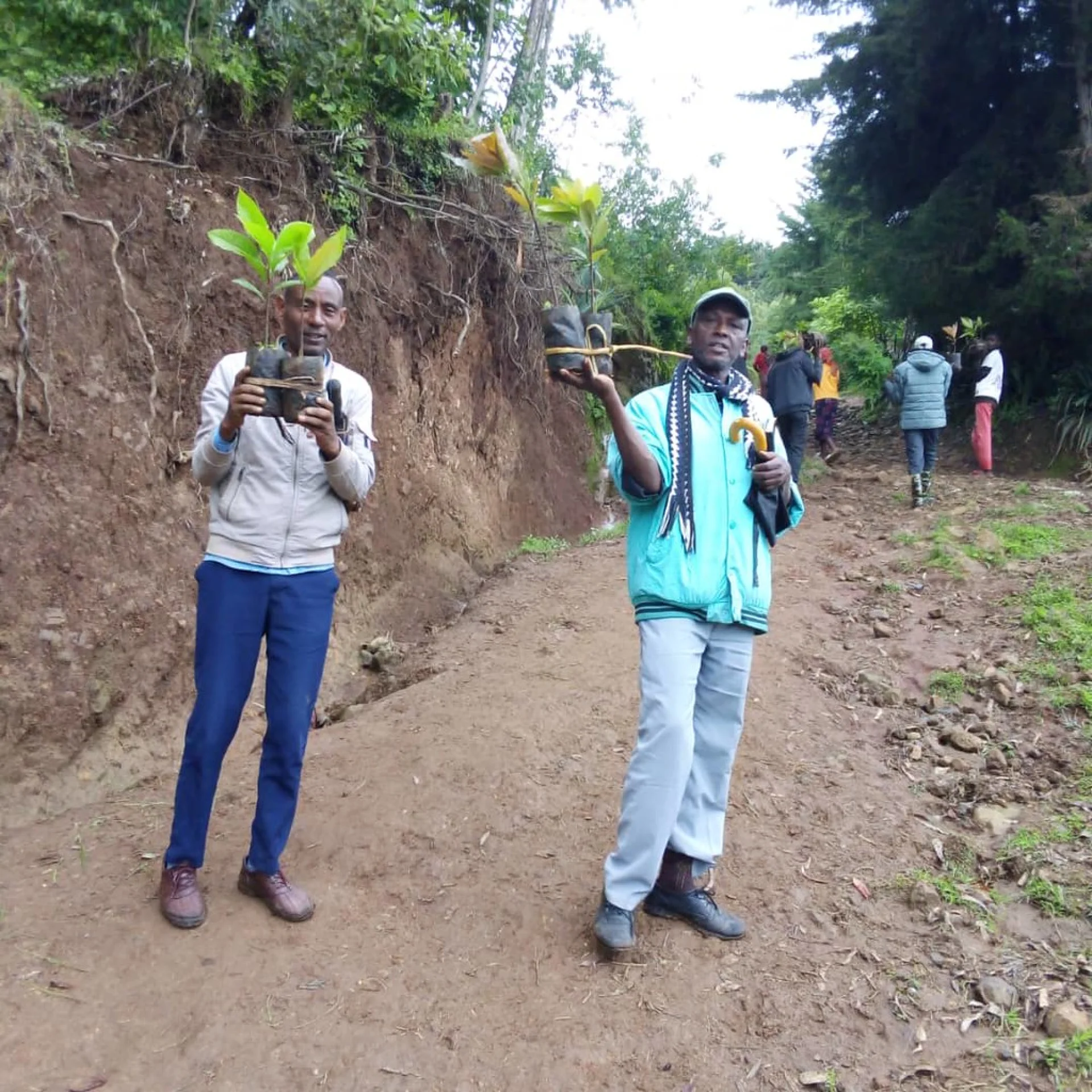
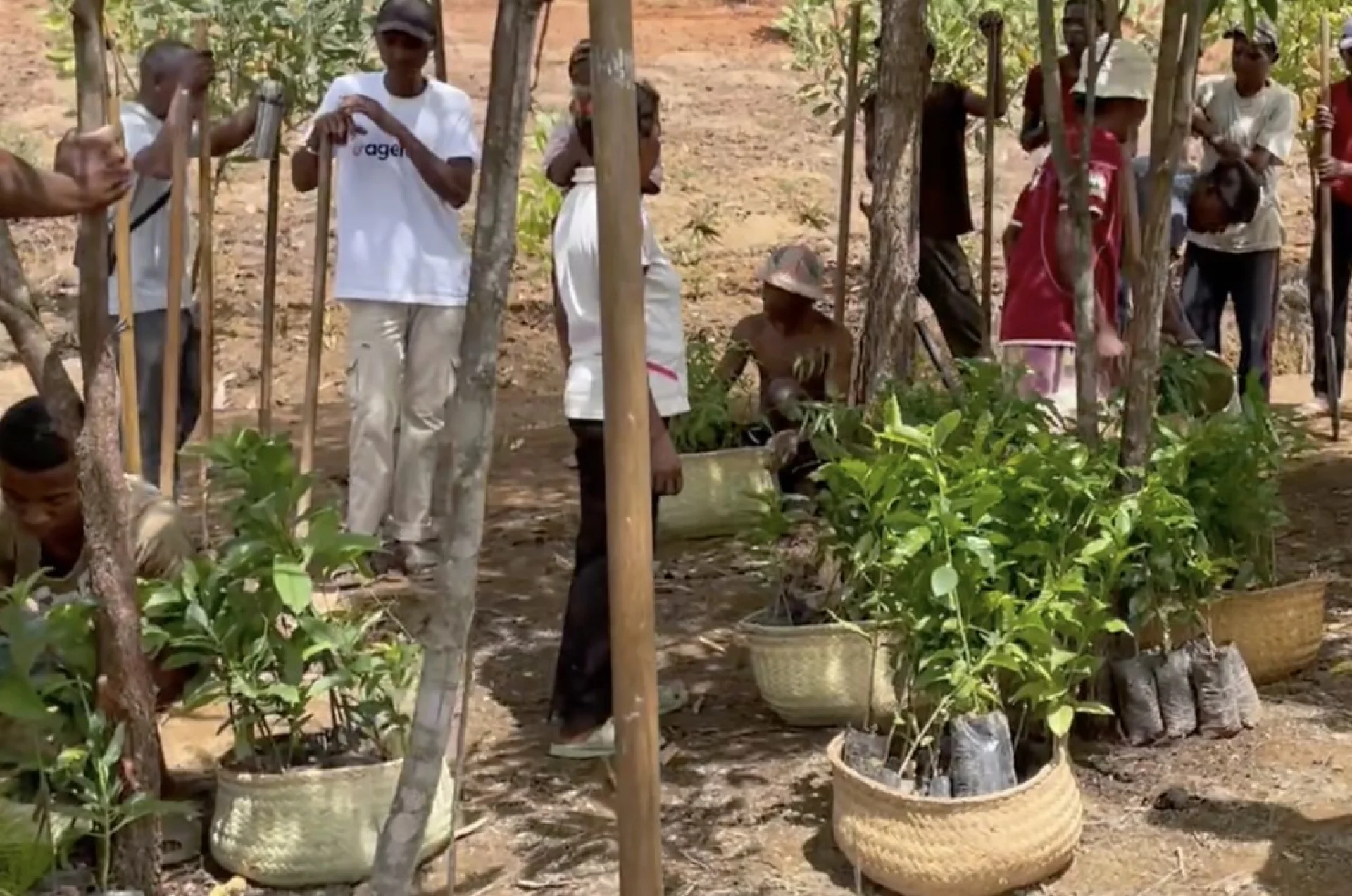
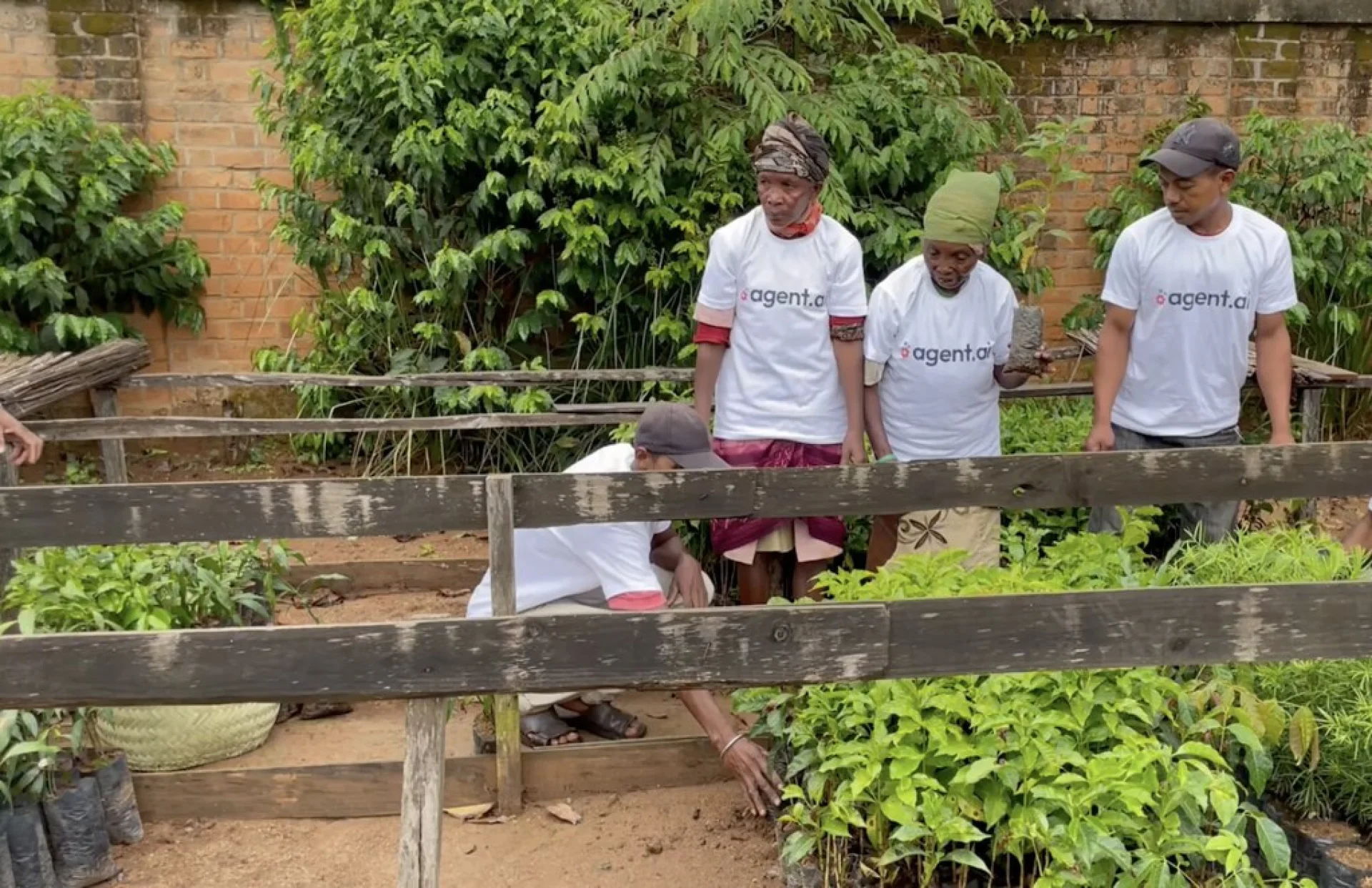
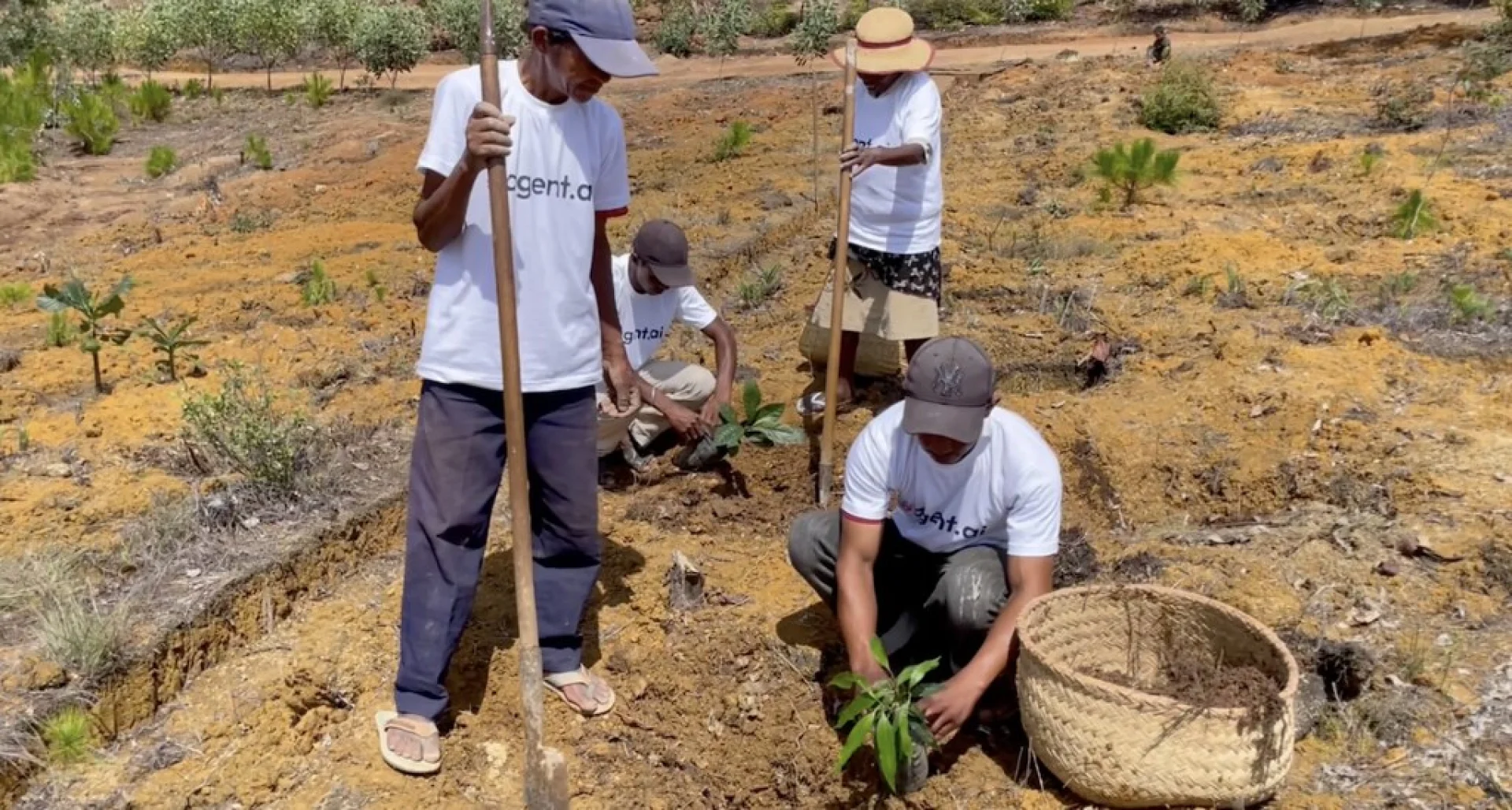
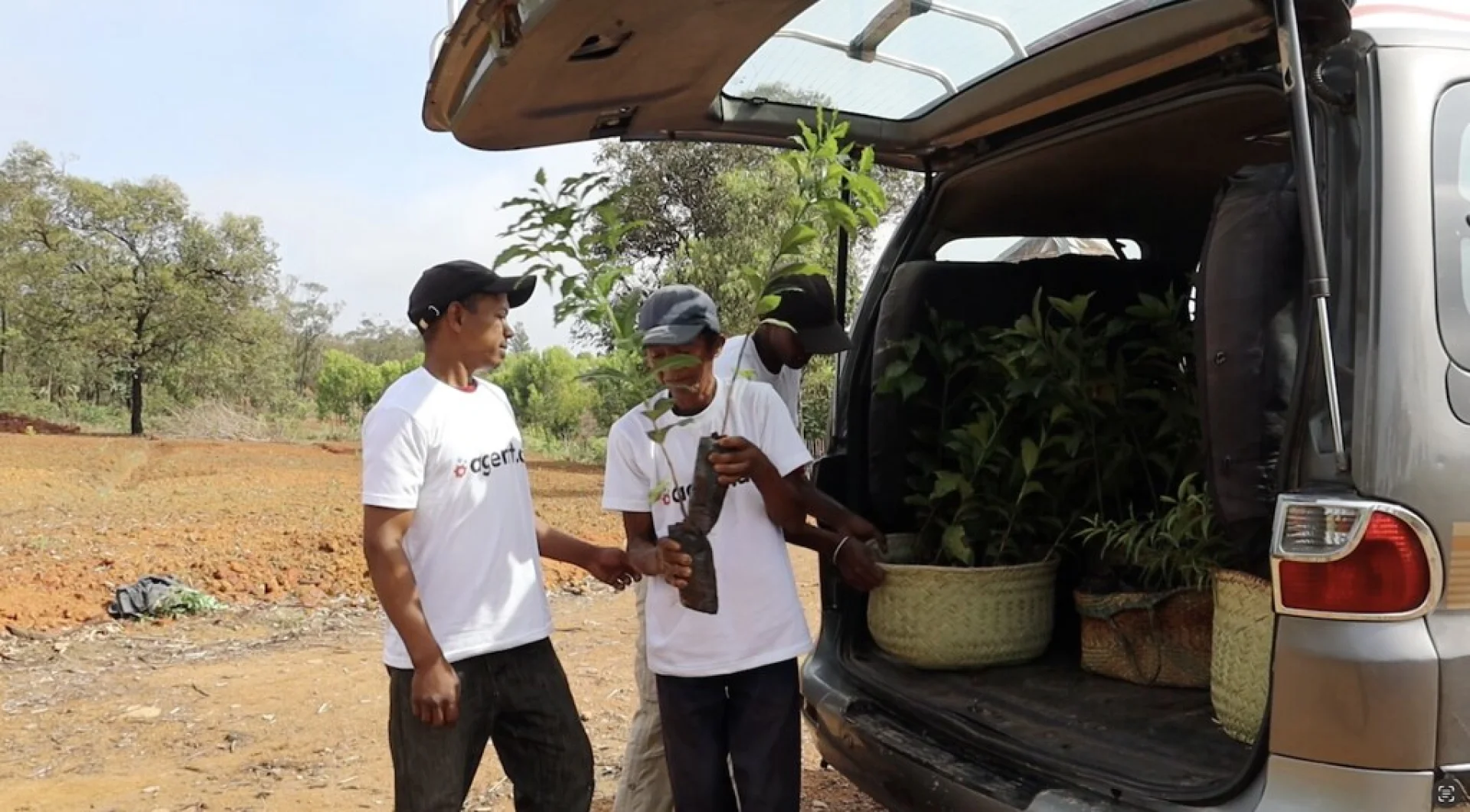
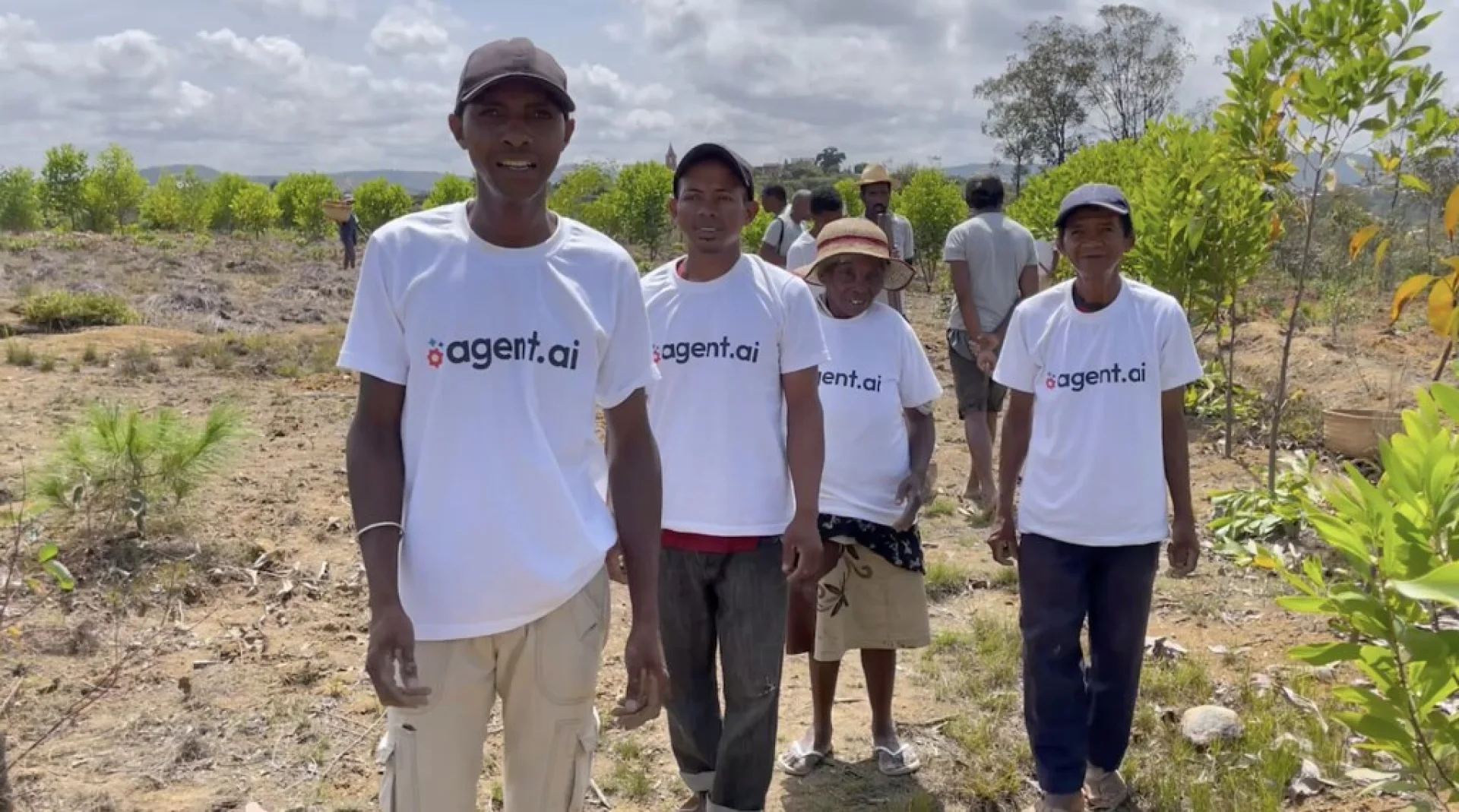
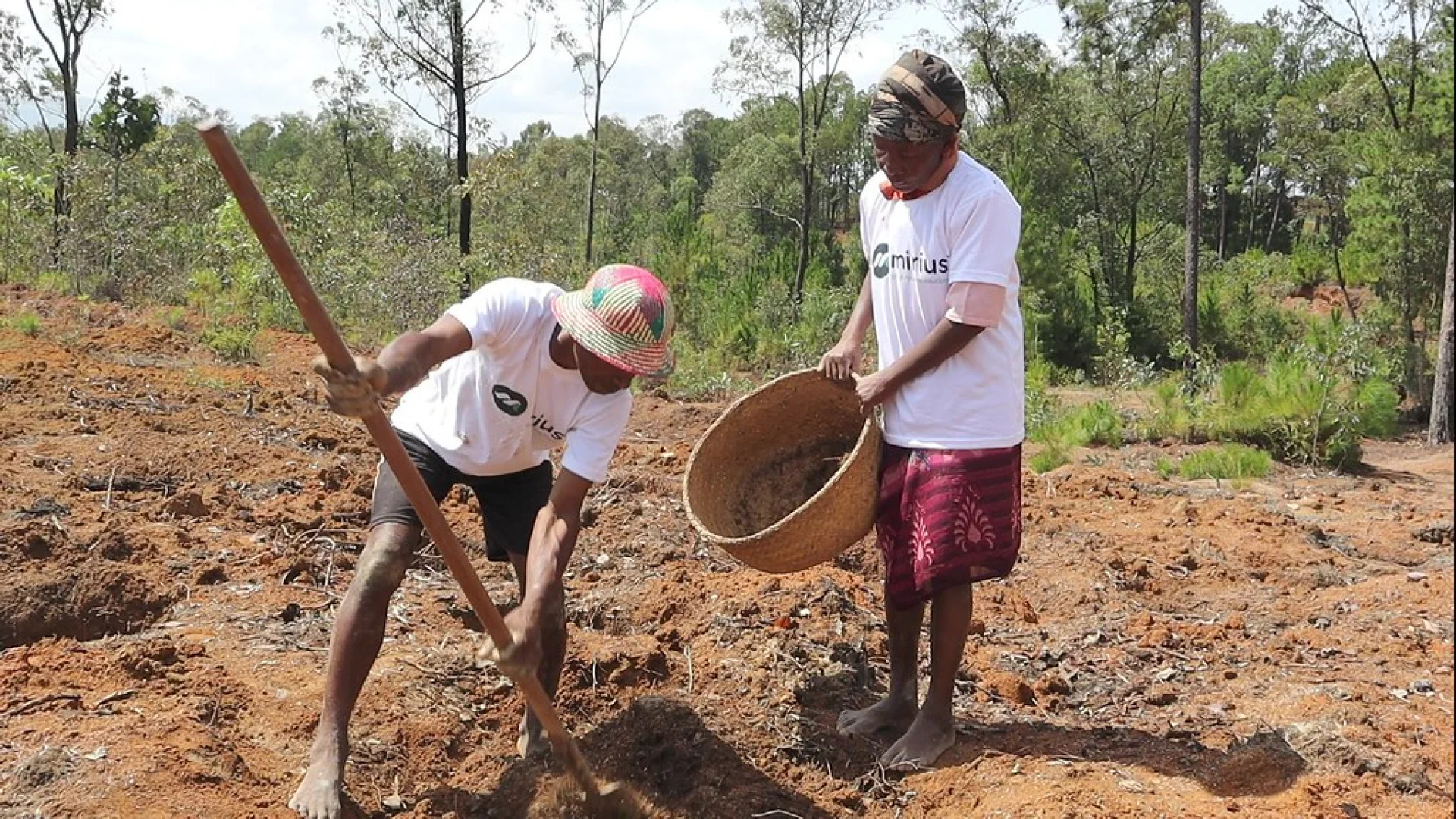
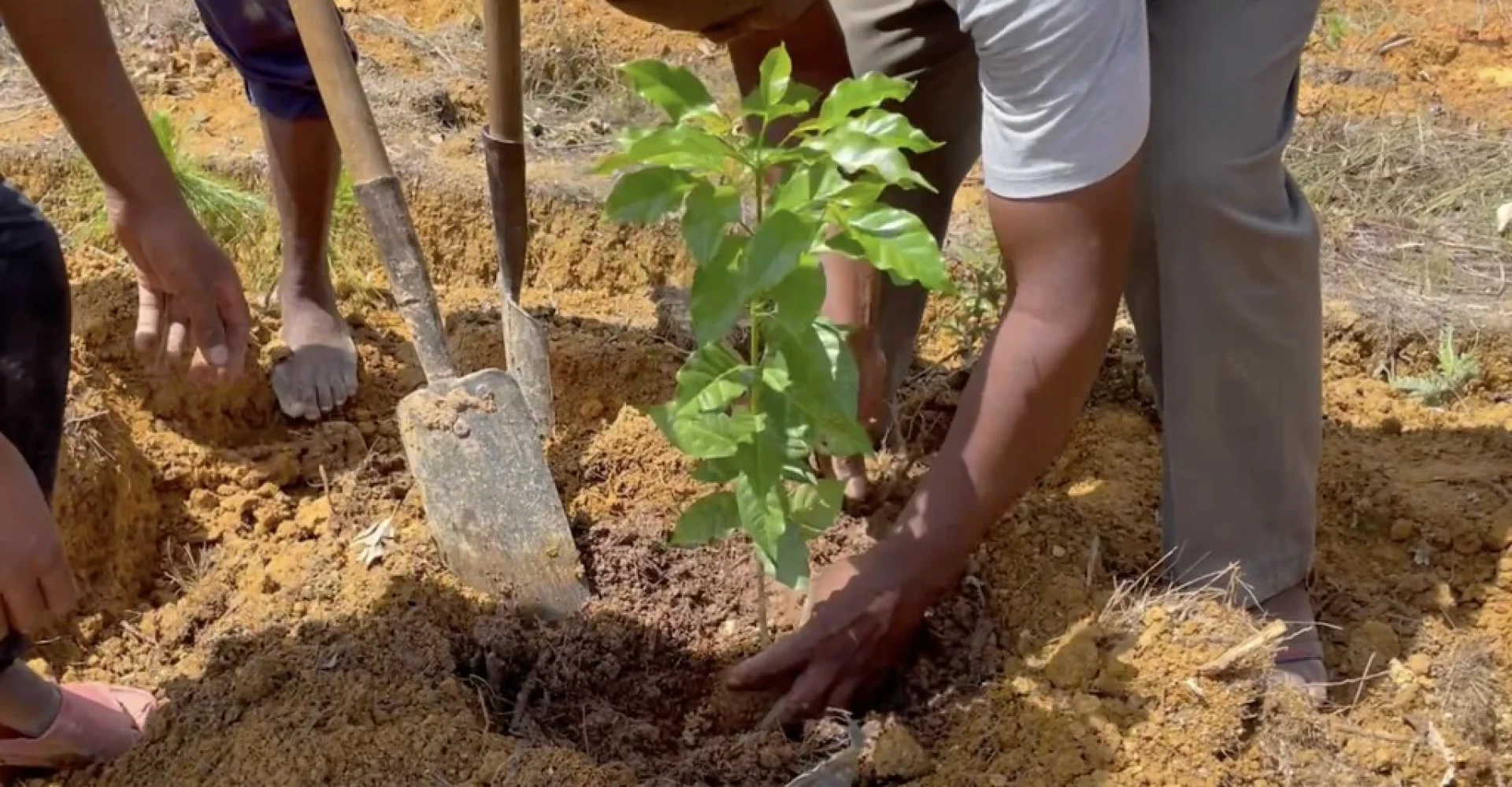
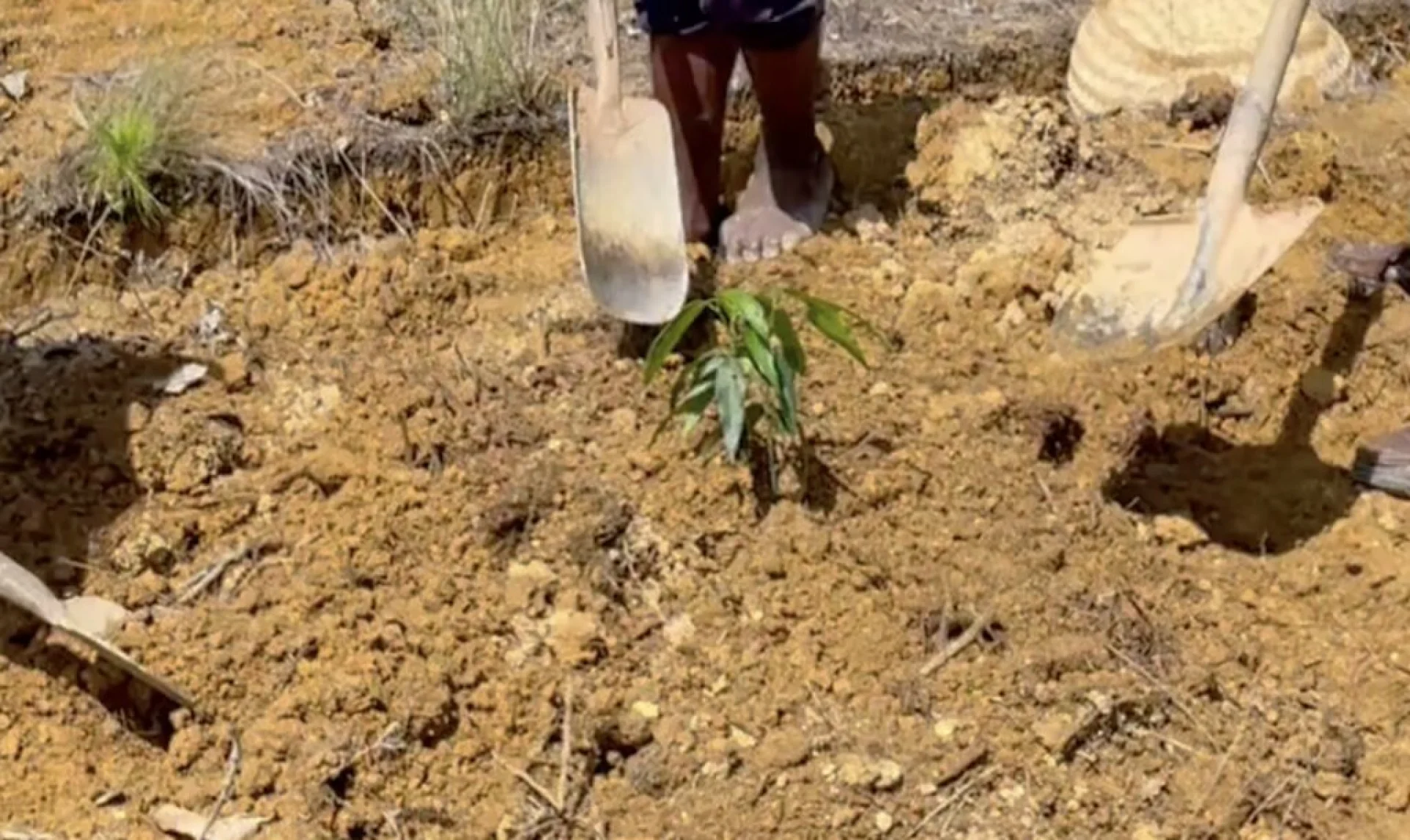
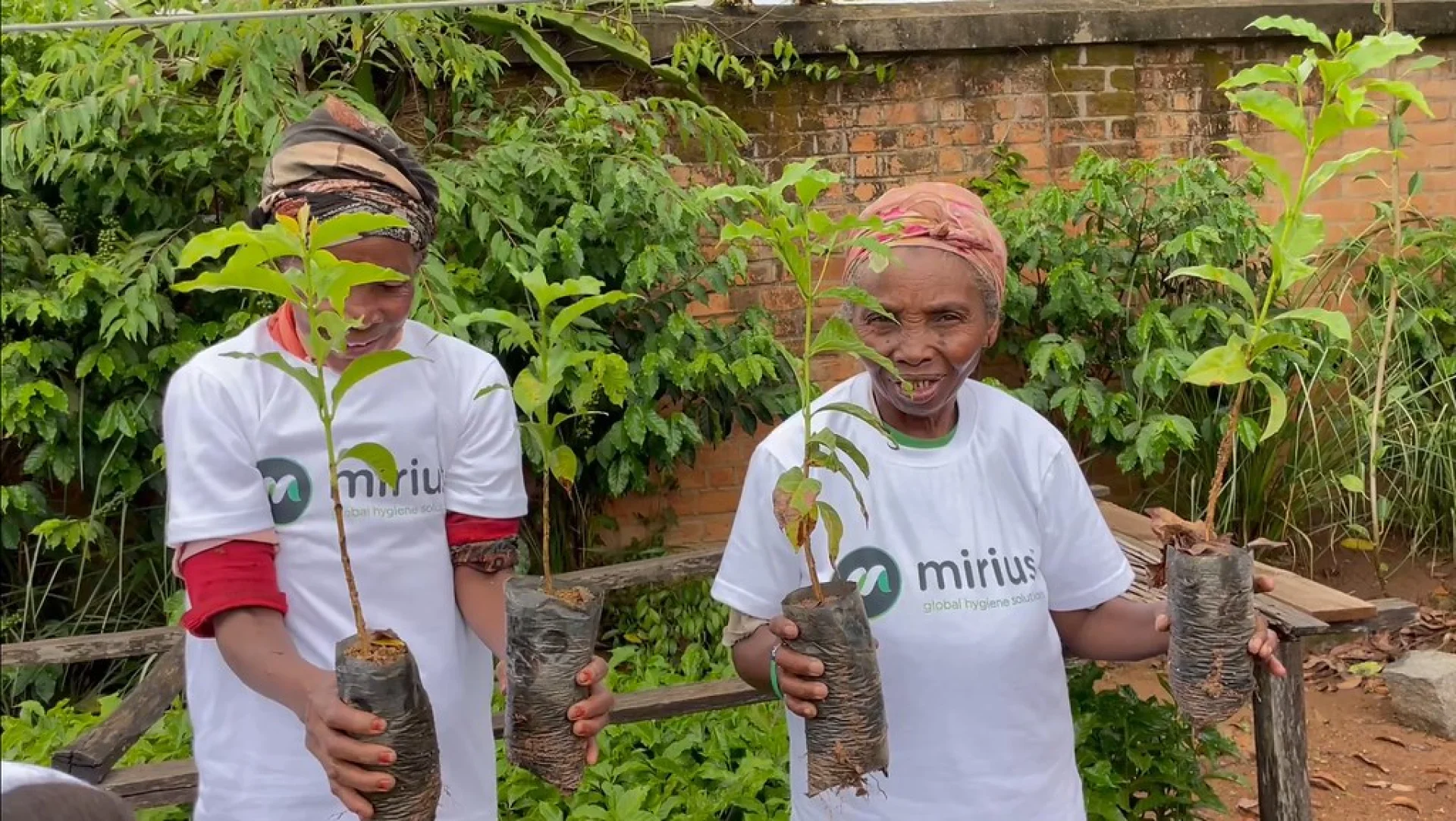
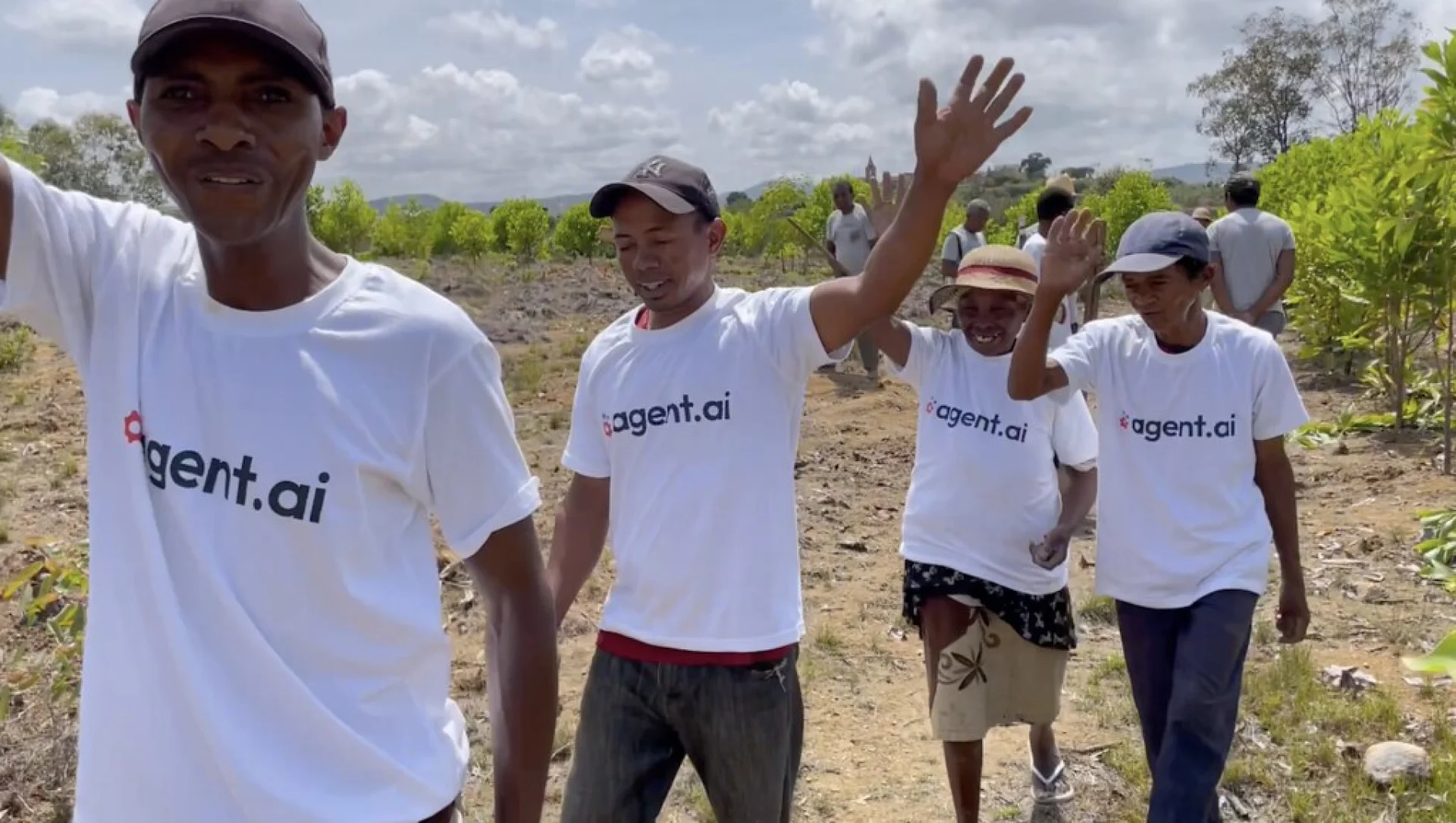
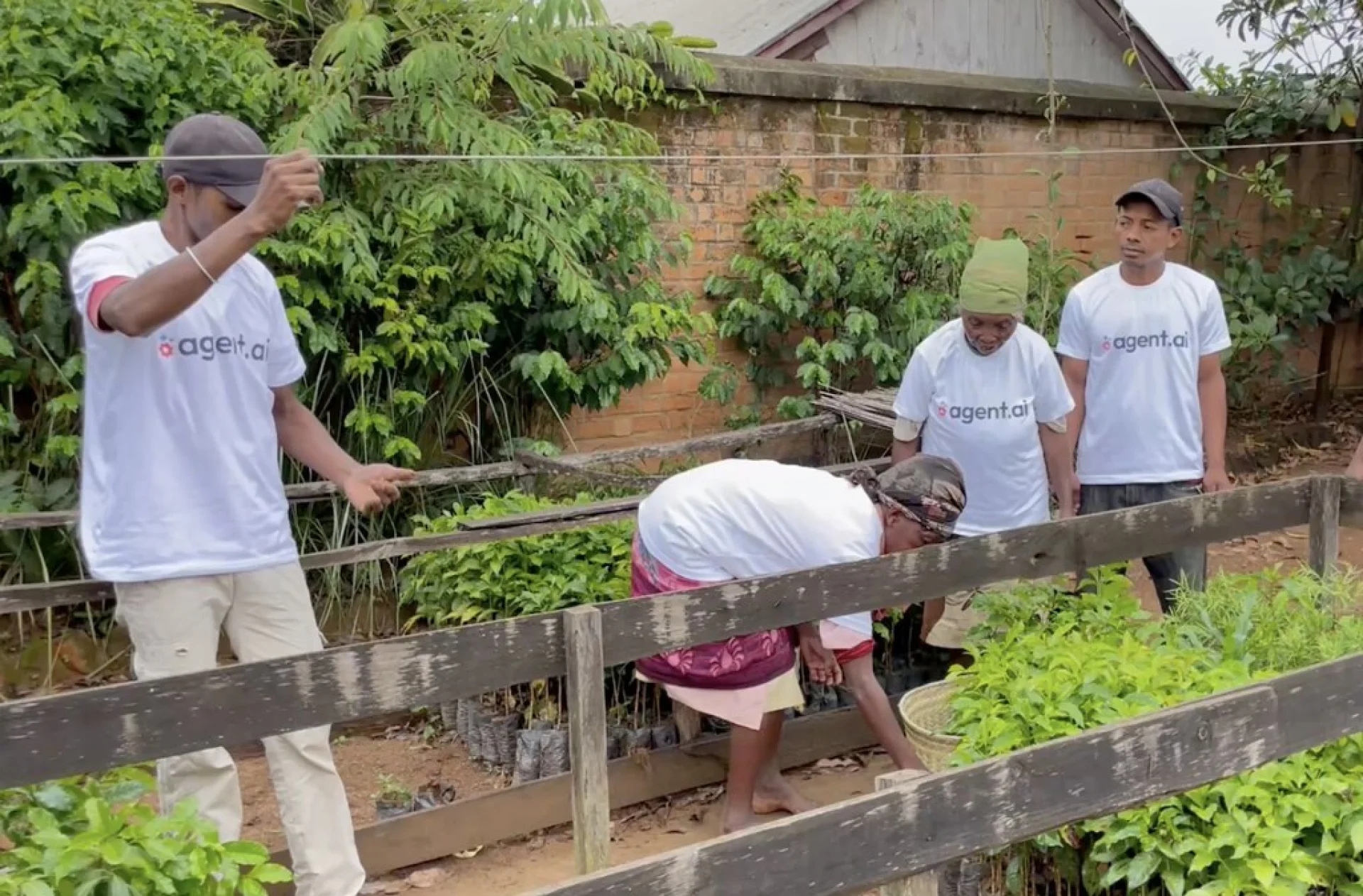
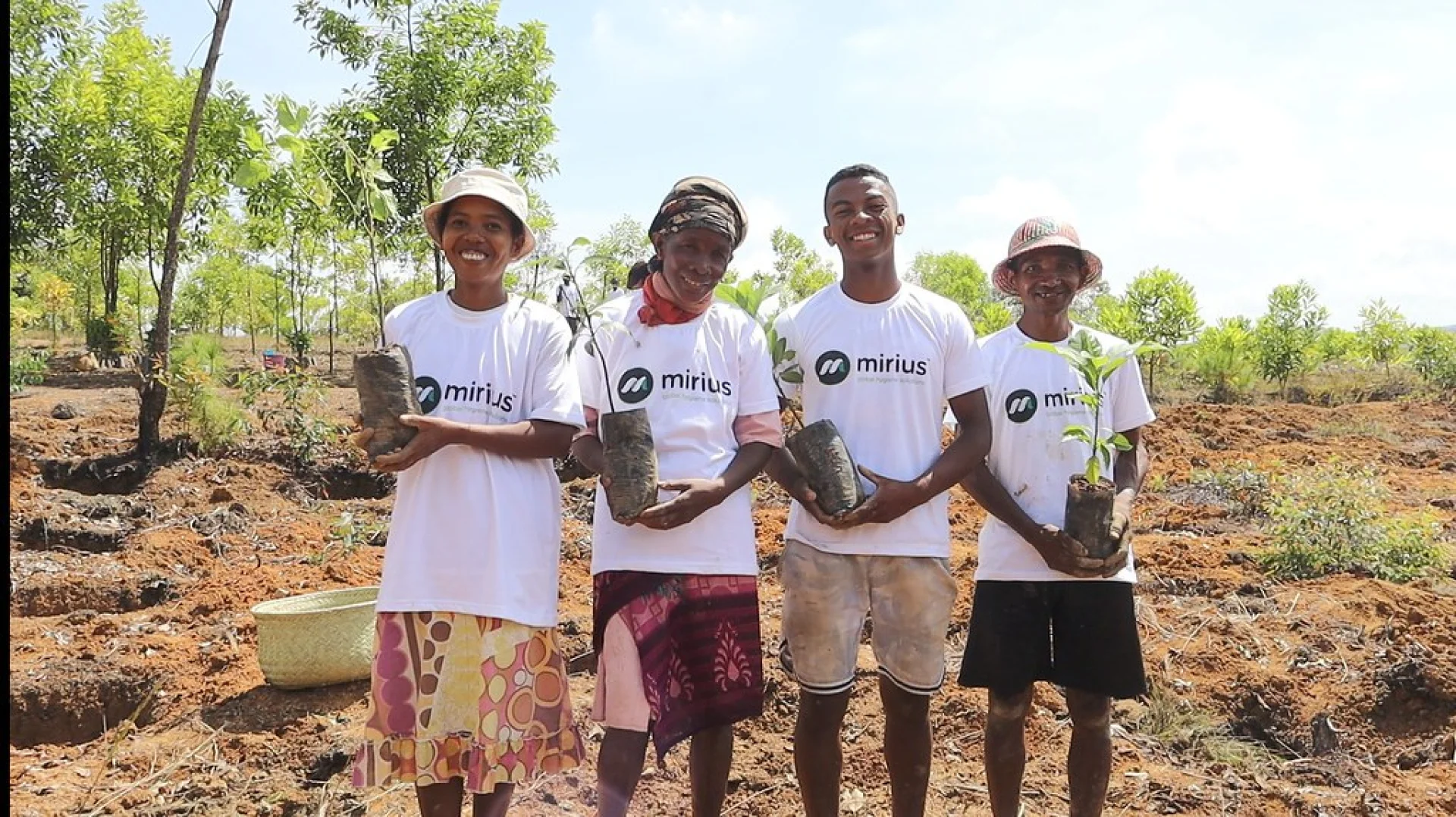
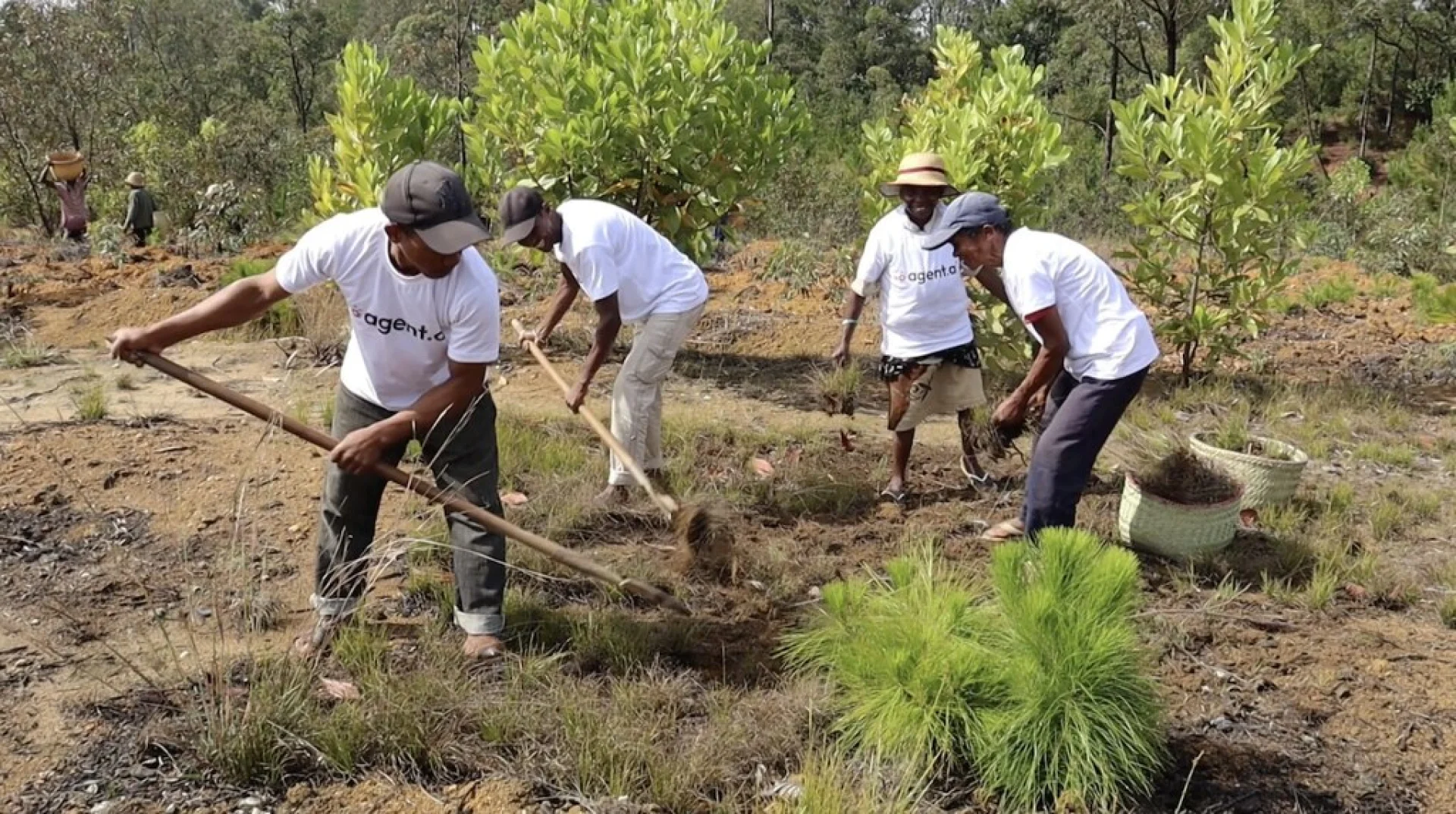
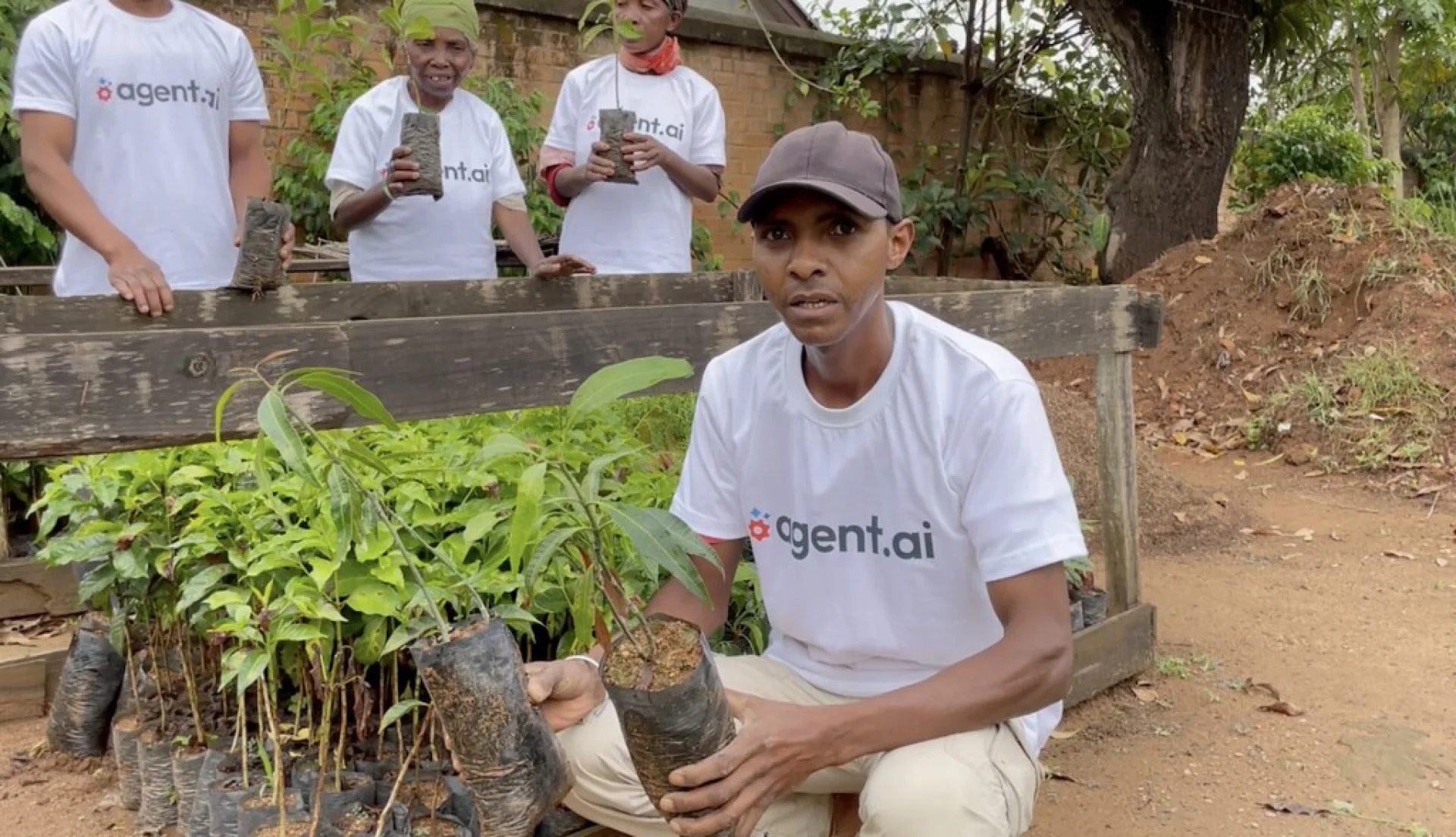
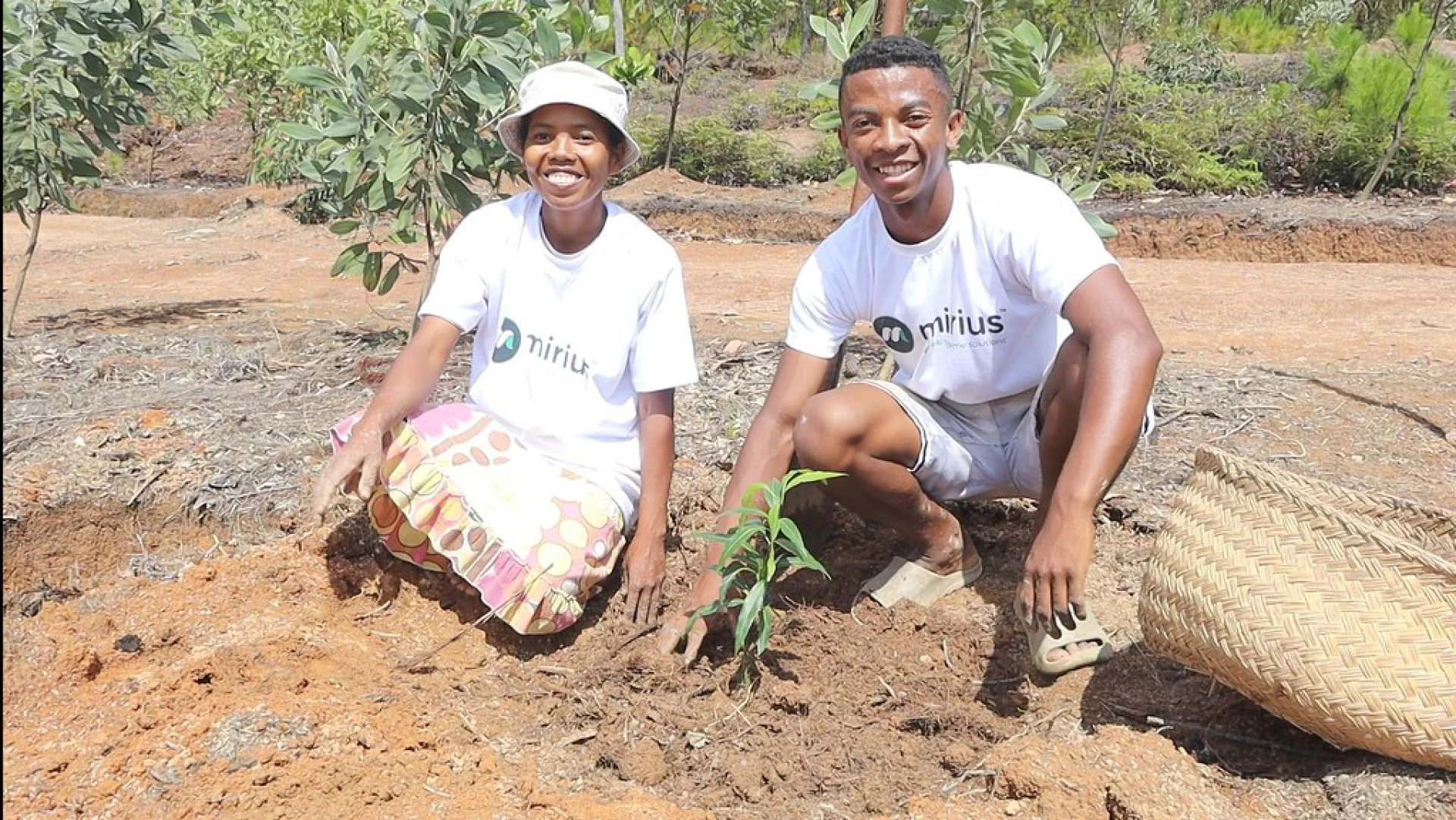
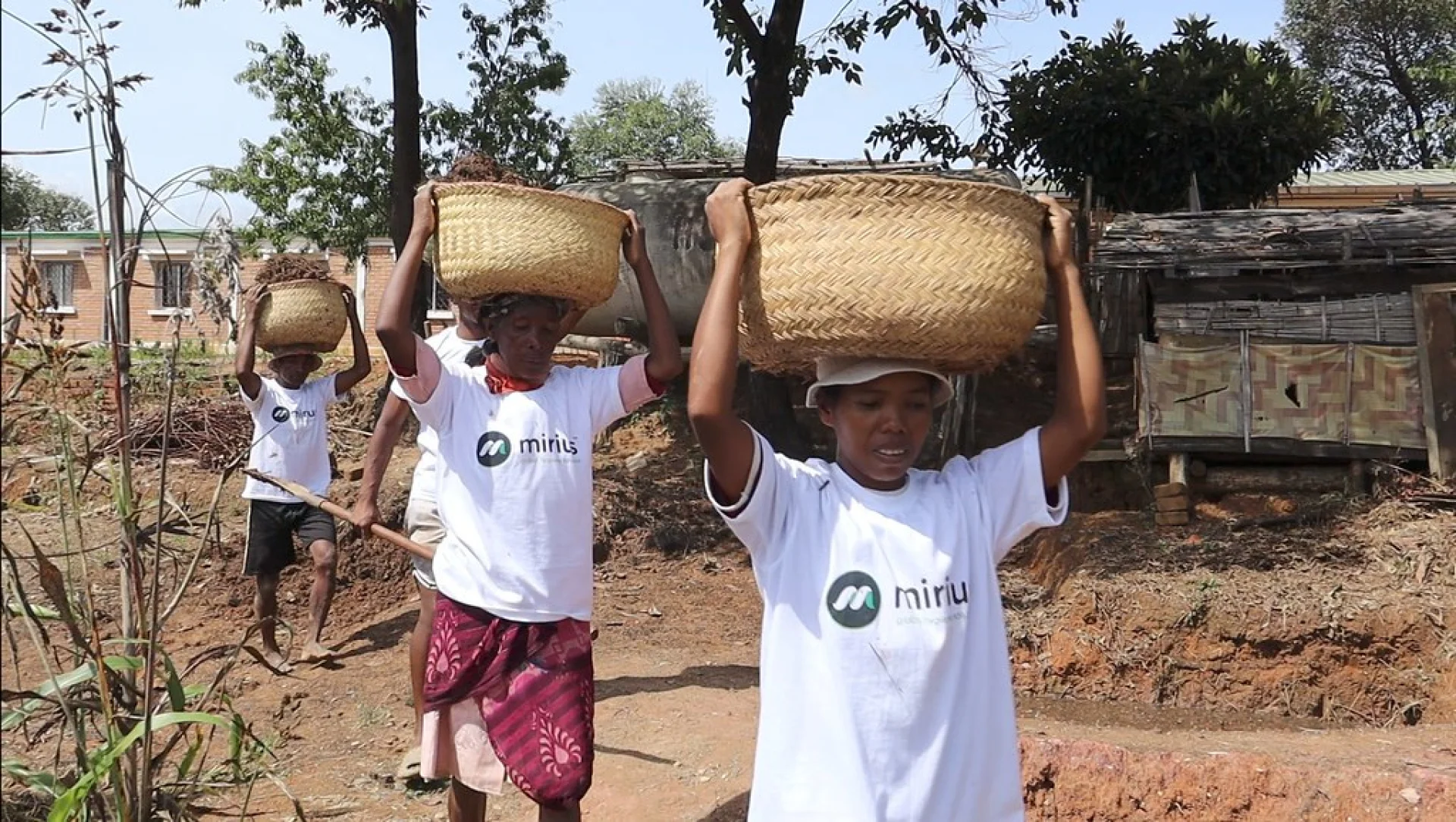
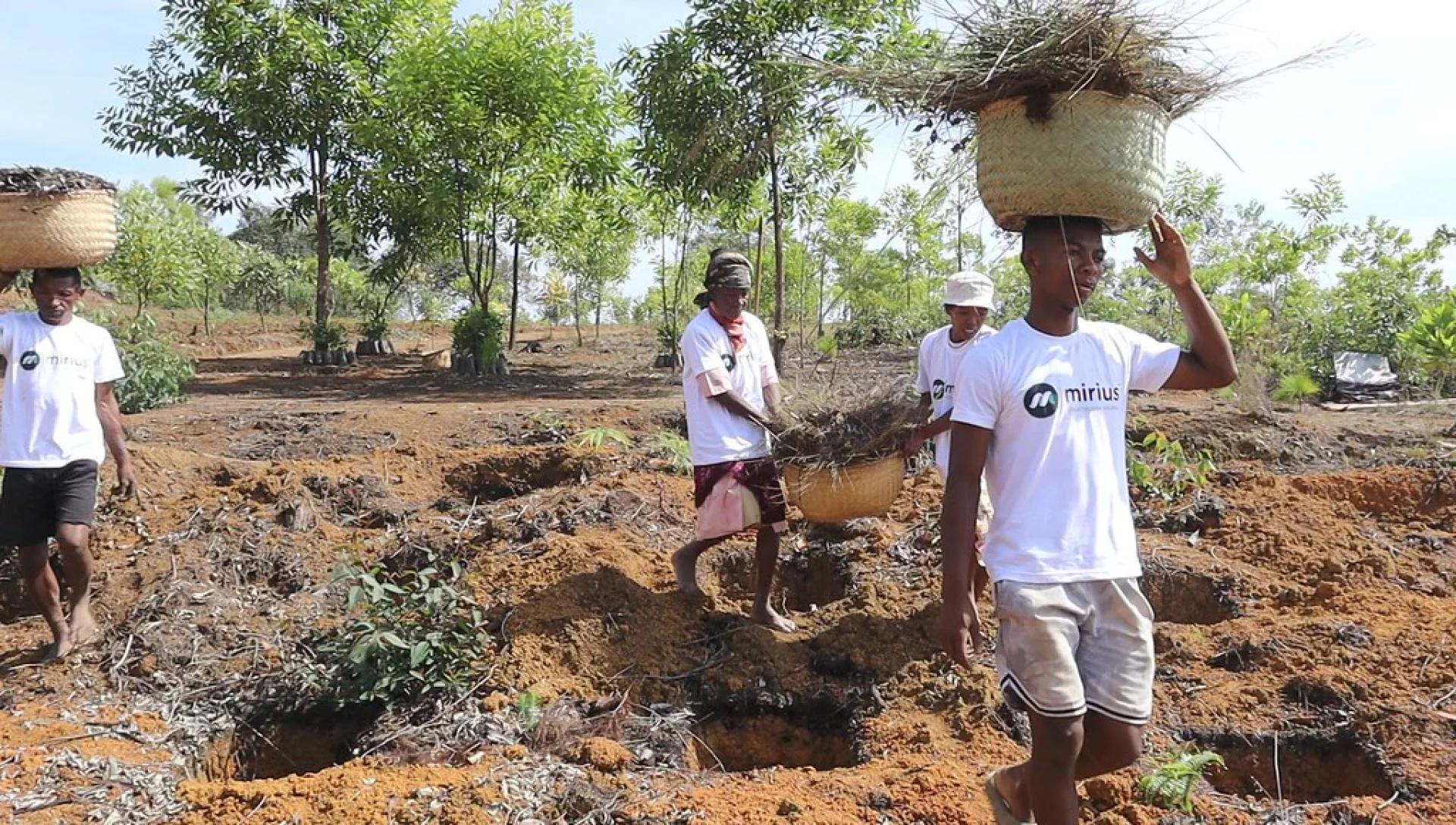
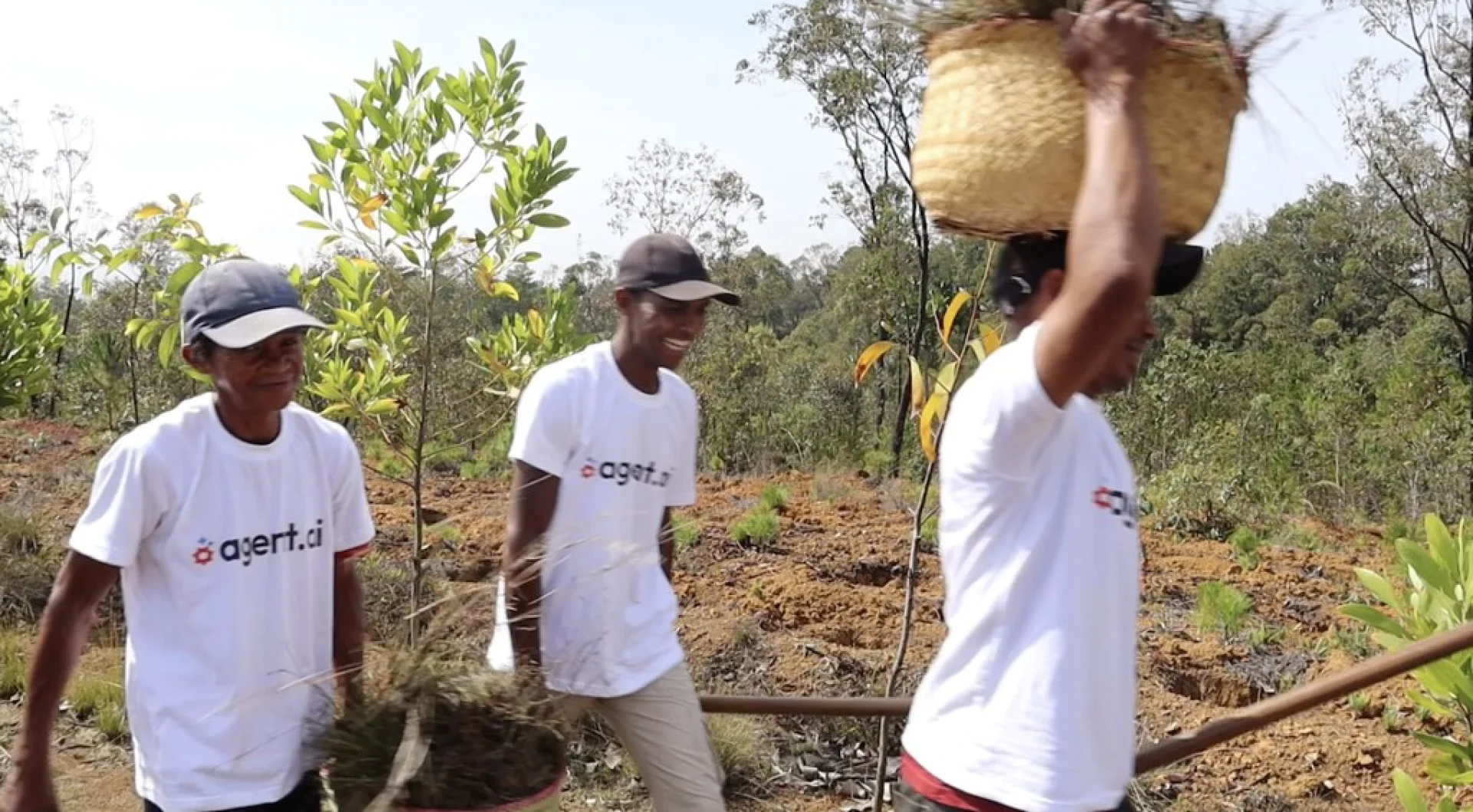
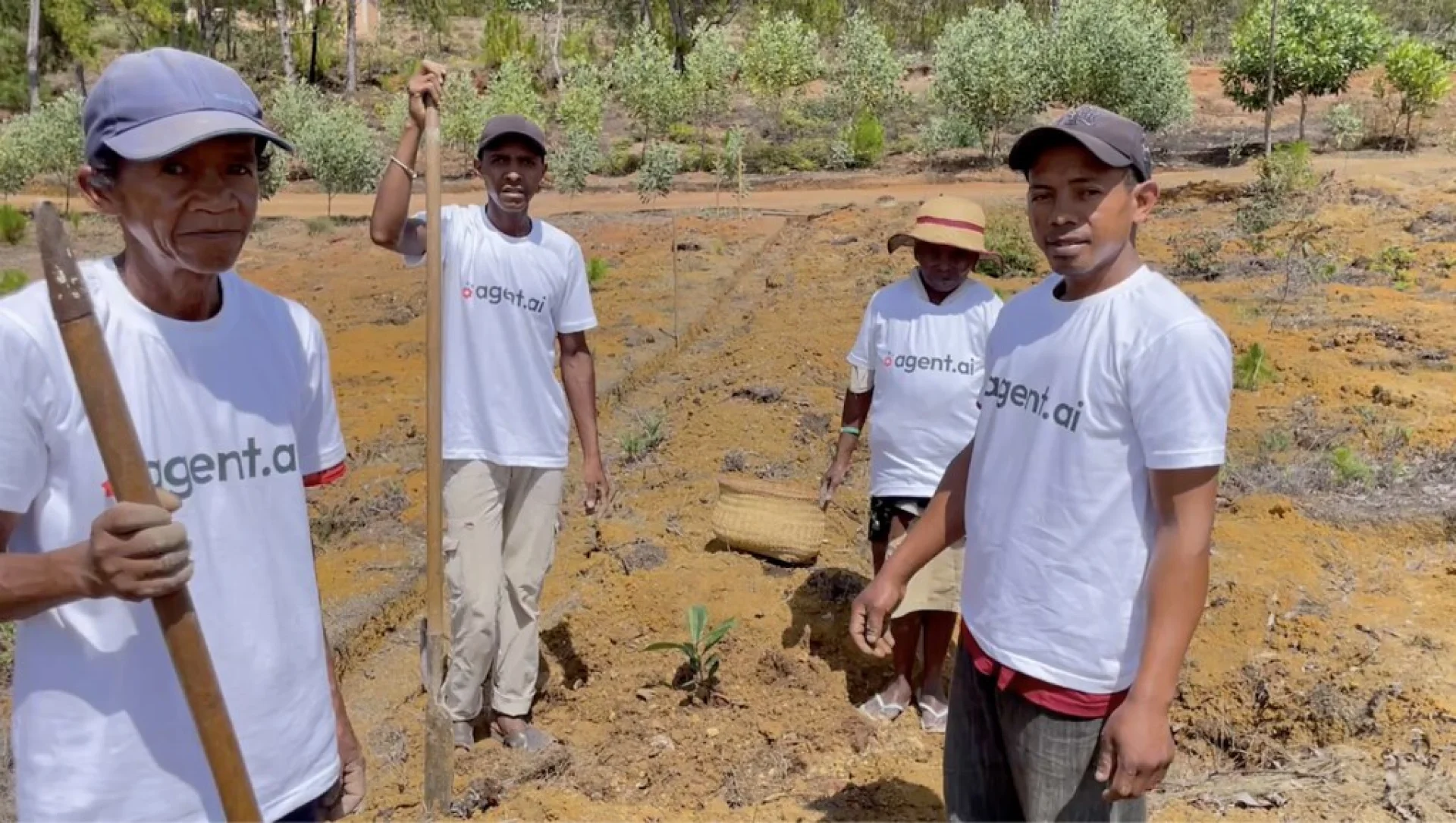
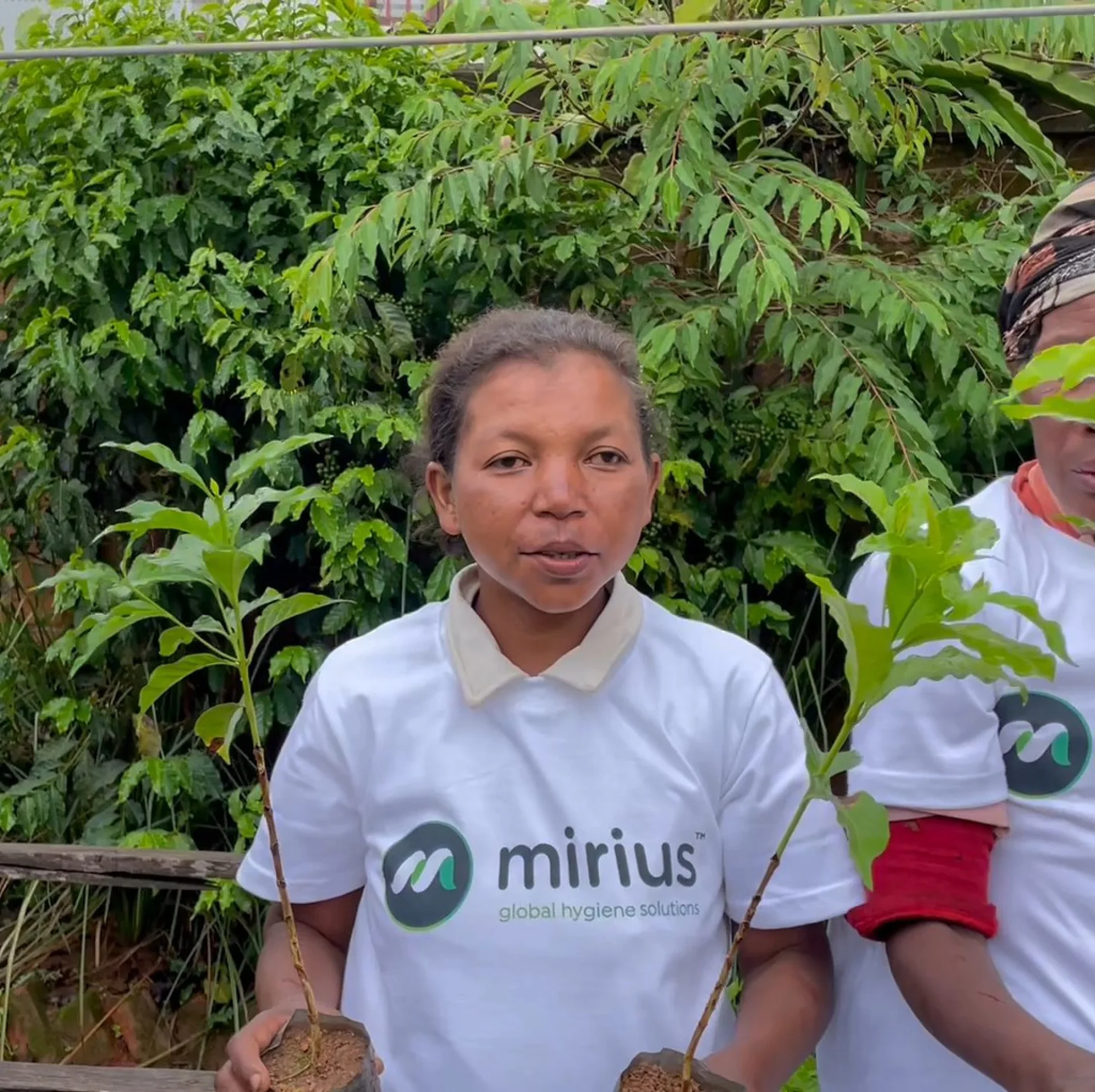
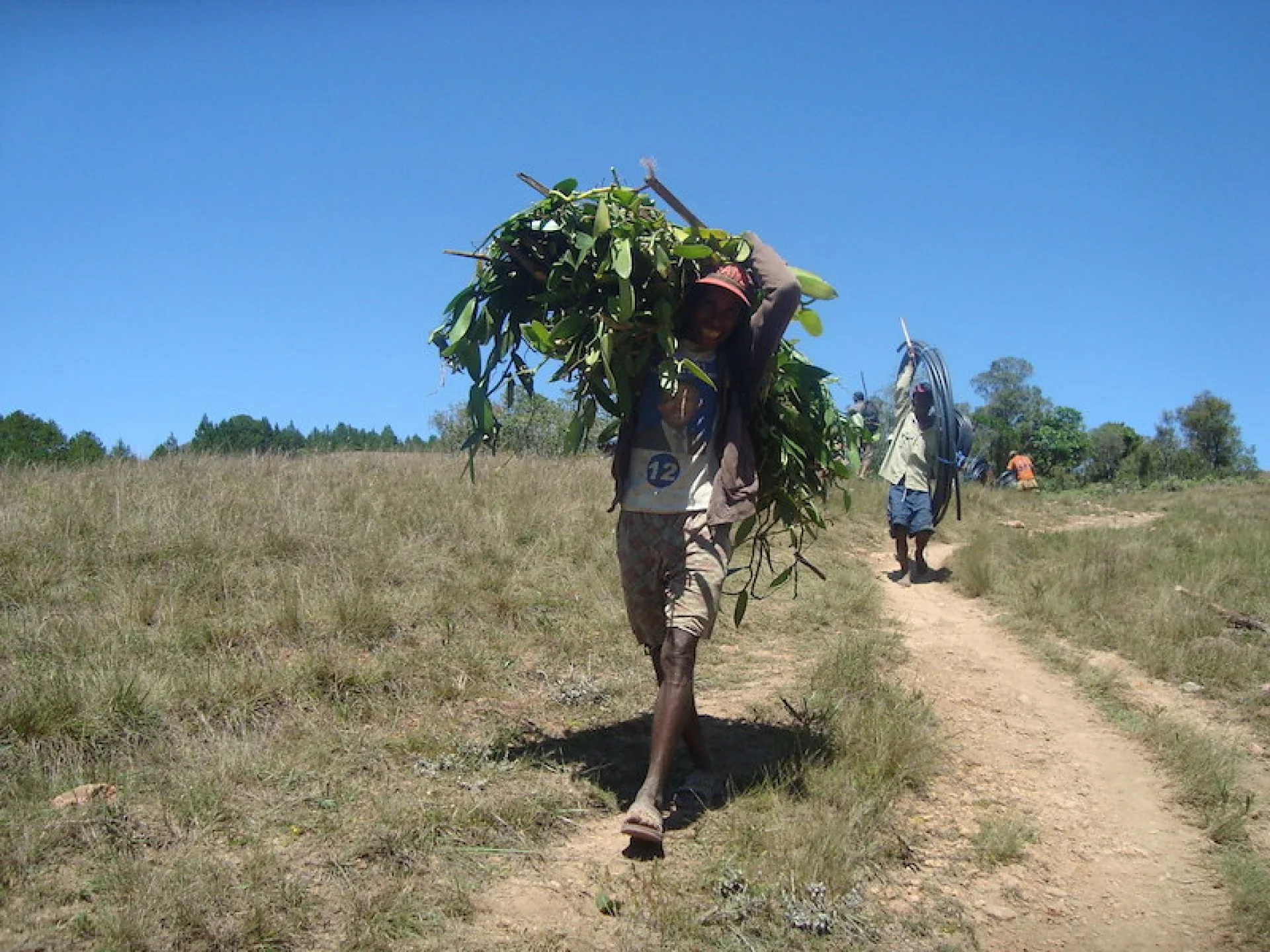
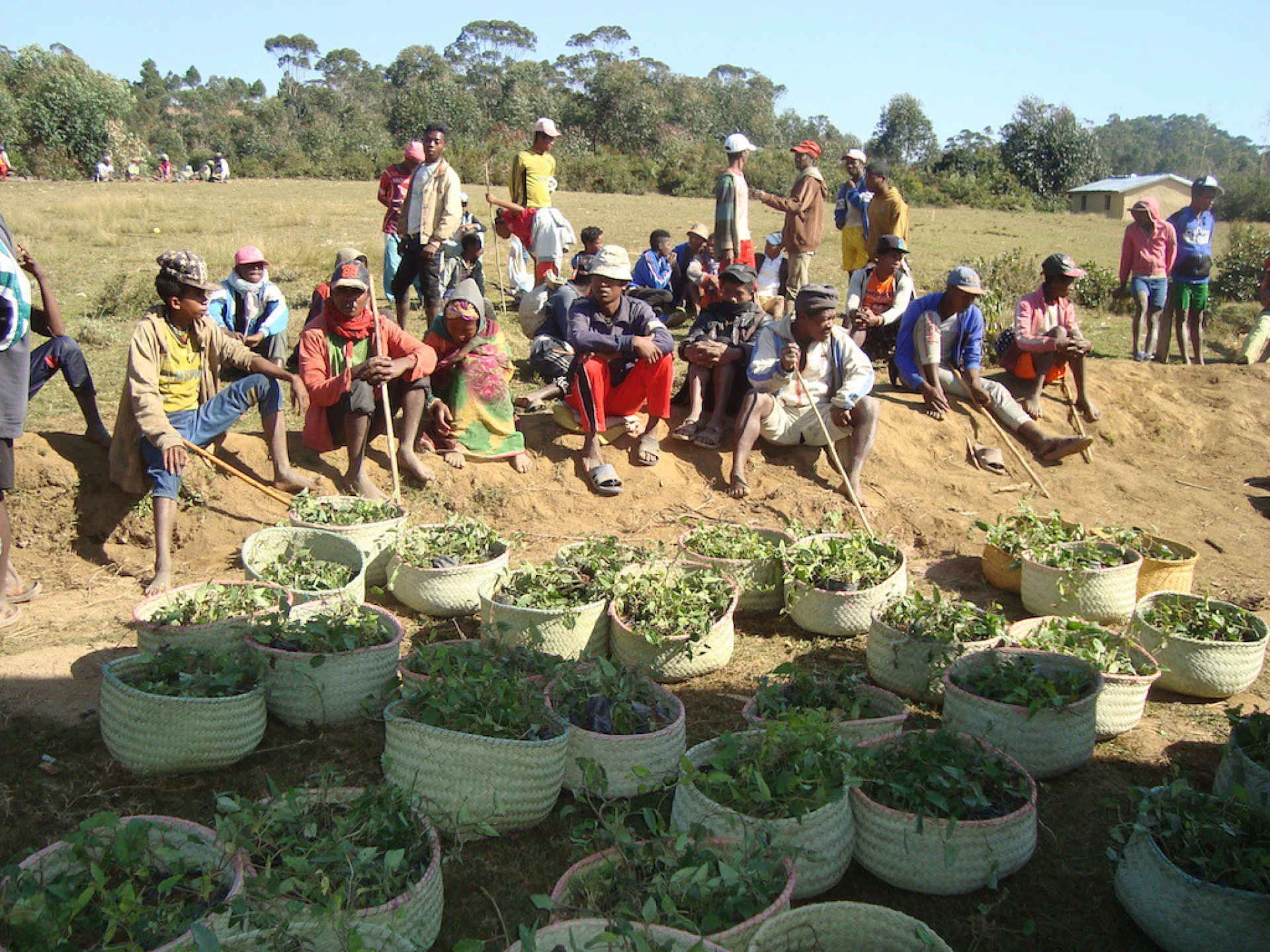
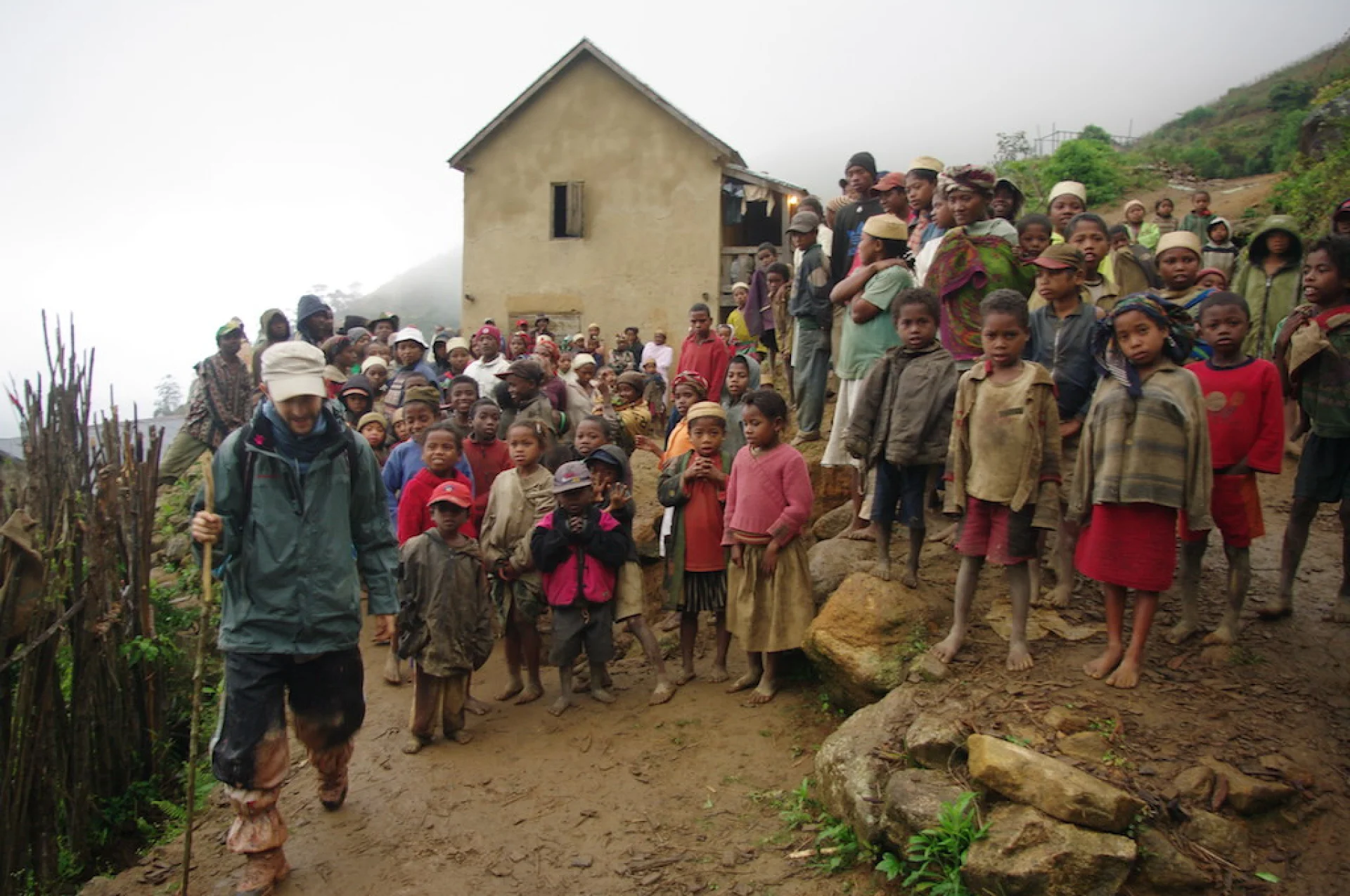
Local communities receive training and financial support to collect mangrove propagules and strategically plant trees in both coastal mangrove systems and upland dry deciduous forests that have been degraded or deforested.
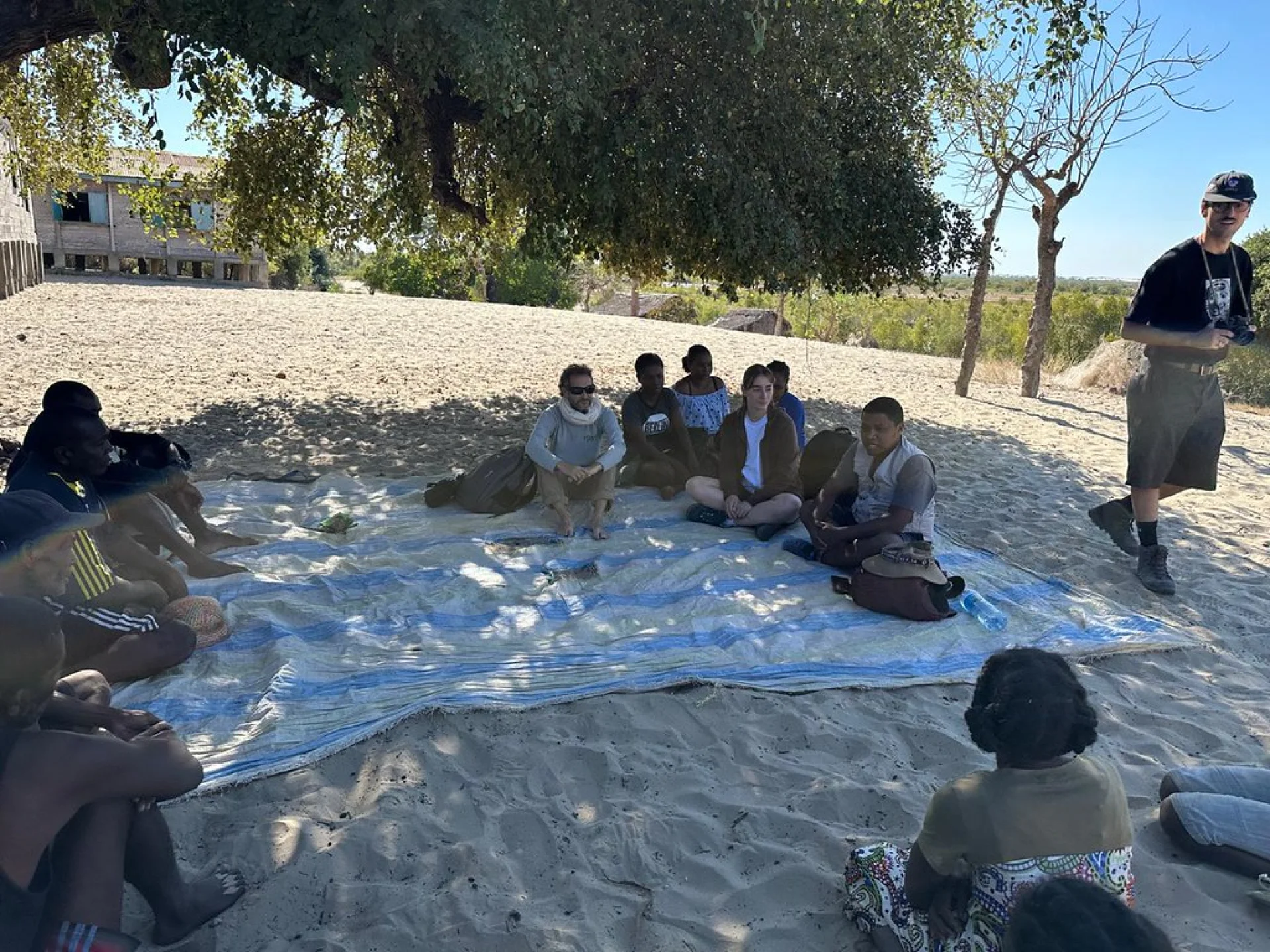
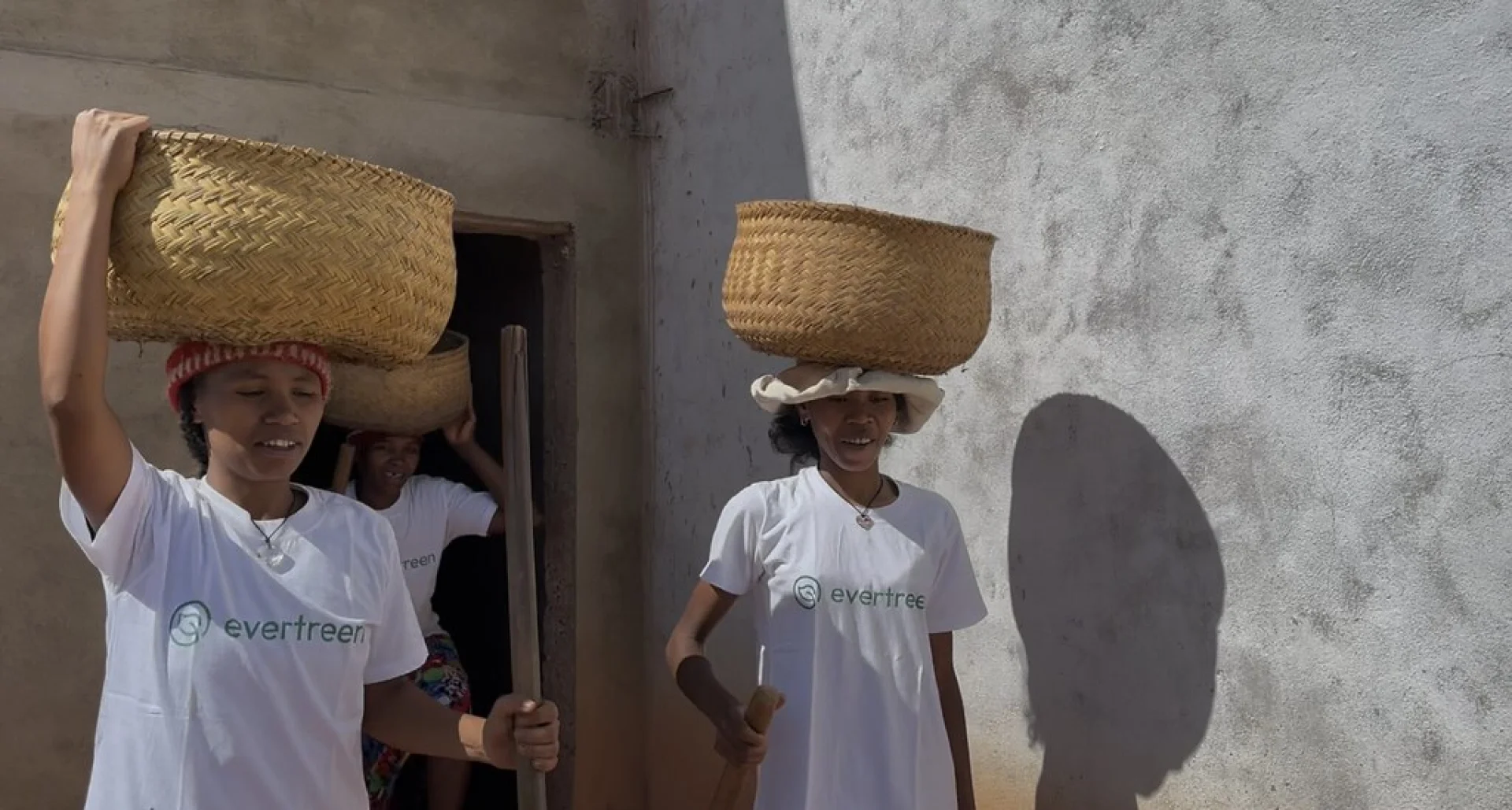
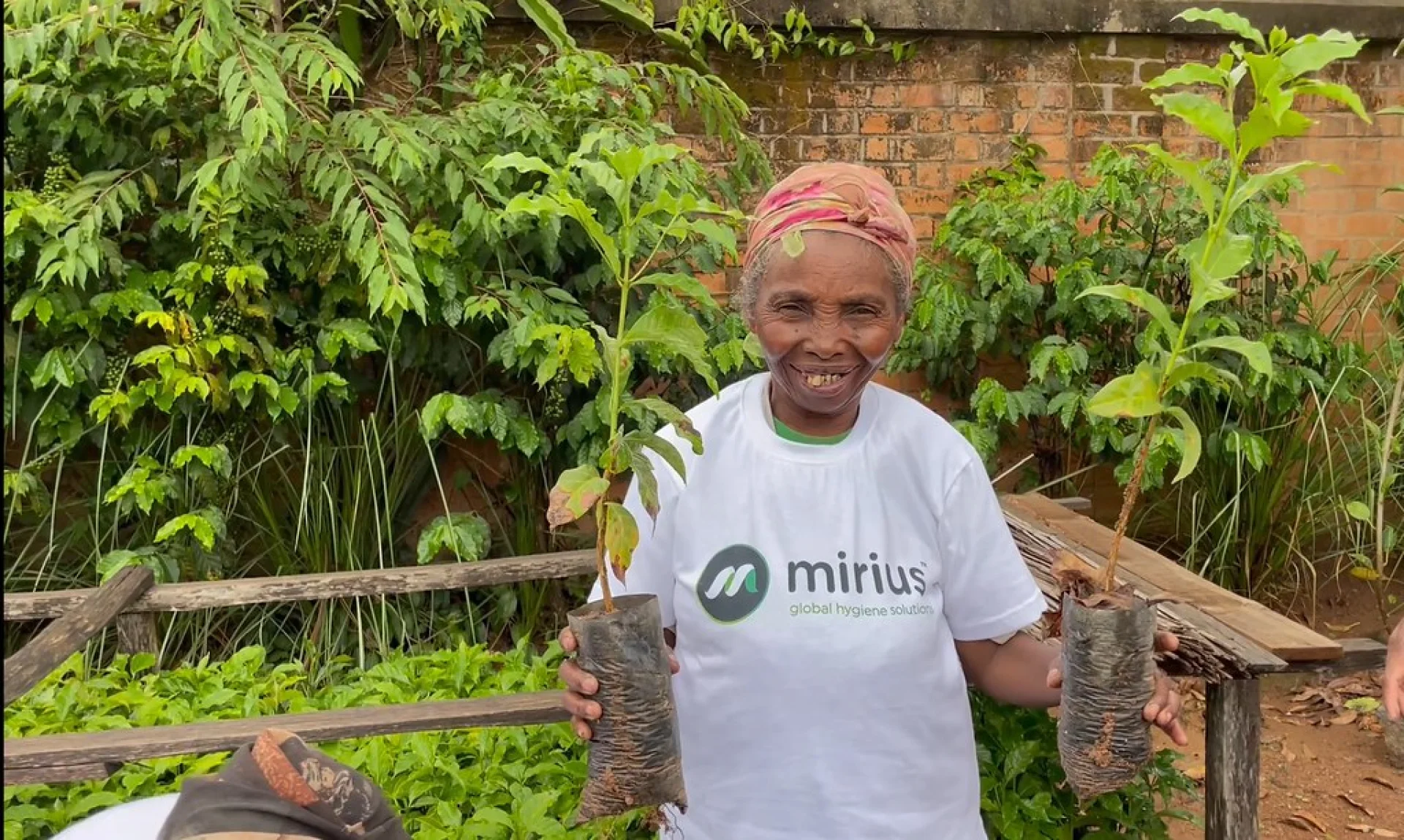
Involving local communities is crucial for the success and sustainability of the project. Community members are not only provided with employment opportunities but also receive education on sustainable practices and conservation. This helps foster a sense of ownership and responsibility towards the newly planted forests, ensuring their long-term protection and maintenance.
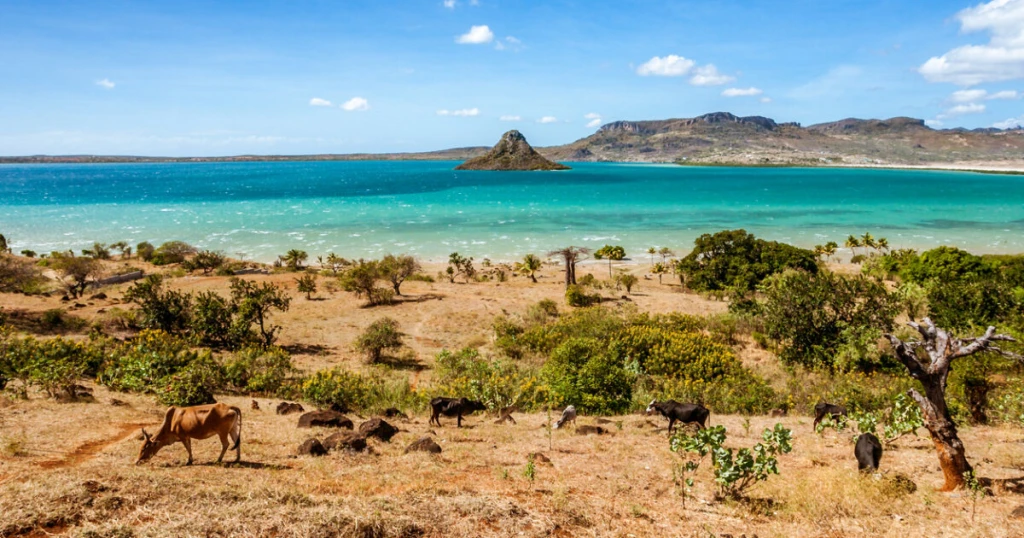
Planting Sites
Antsanitia Mangrove Planting Site
Coordinates: 15°37’15.47”S, 46°26’22.70”E
Site Description: Antsanitia is a vital mangrove estuary located along the northwest coast of Madagascar, 15 miles north of the regional capital of Mahajanga. This deep-water estuary, surrounded by vast mangrove forests, is a crucial nursery for fish and a key fishing ground for local communities.
Threats and Reforestation Efforts: Over the last decade, charcoal production and illegal logging have significantly impacted these mangrove forests. The project aims to restore the estuary by planting native mangrove species like Avicennia marina, Rhizophora mucronata, Ceriops tagal, and Bruguiera gymnorrhiza.
Antsanitia’s importance extends beyond its ecological role. The estuary serves as a breeding ground for various fish species that local communities depend on for food and income. The degradation of these forests has had a direct negative impact on the livelihoods of these communities. By involving locals in reforestation activities, the project not only helps restore the environment but also provides a sustainable source of income and employment.
Akalamboro Planting Site
Coordinates: 16°12’34.48”S, 44°59’26.88”E
Site Description: Located in a lowland mangrove forest along the Akalamboro Estuary, this area had suffered greatly from deforestation due to charcoal production and wood collection.
Reforestation and Protection Efforts: The project helps local communities plant and manage mangrove forests, offering long-term employment and livelihood improvements while protecting critical biodiversity.
The Akalamboro estuary is an essential habitat for numerous species, including the critically endangered Madagascar fish eagle and various species of fish and crustaceans that support local fisheries. By restoring these mangroves, the project aims to create a resilient environment that can support diverse wildlife and human communities.
Vilamatsa Planting Site
Coordinates: 16°16’17.09”S, 44°26’47.66”E
Site Description: The Vilamatsa restoration area is in western Madagascar near Cape St. Andre. This area had been severely impacted by deforestation for charcoal production before the project began.
Mangrove Reforestation in Vilamatsa: With the help of sponsors and the Vilamatsa community, the project aims to restore the forest's vitality. It supports local communities in planting native mangrove species to rejuvenate the estuary.
The reforestation efforts in Vilamatsa are particularly crucial because this area acts as a buffer zone protecting inland communities from coastal erosion and storm surges. By replanting mangroves, the project not only helps restore a critical habitat but also enhances the resilience of these communities against the impacts of climate change.
Mangaroa/Besely Planting Site
Coordinates: 15°52’21.03”S, 46°30’32.33”E
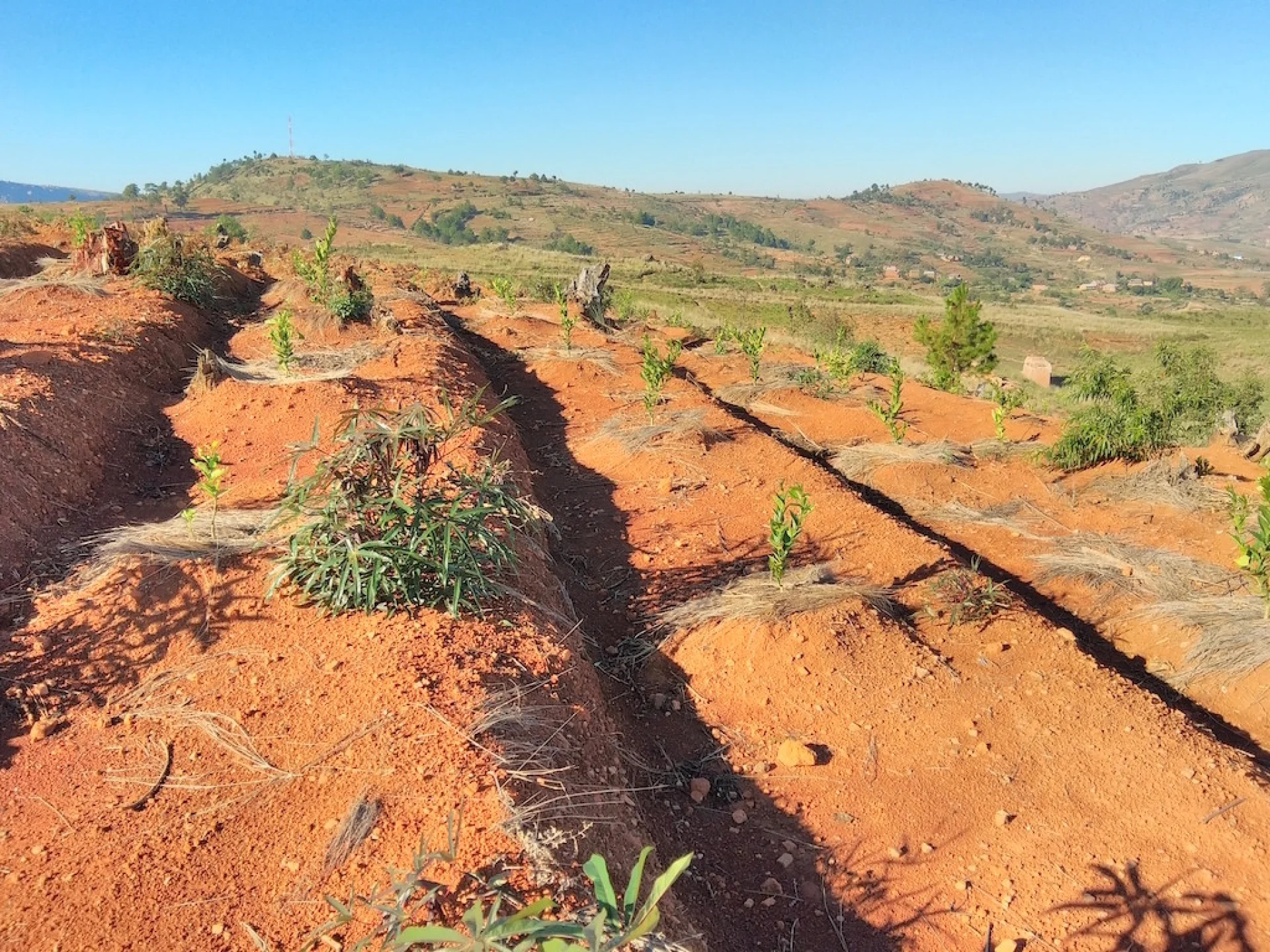
Site Description: The Besely Dry Deciduous project is located between Route 4 National Road (RN4) and the Betsiboka River Estuary. This area, once covered with flourishing dry deciduous forests, had been severely degraded by slash-and-burn agriculture and fires.
Reforestation and Protection Efforts: With the help of sponsors and the local community's participation, the project uses various species to restore the area and expand reforestation efforts along the RN4 corridor.
Restoring dry deciduous forests in Mangaroa and Besely involves planting a diverse array of tree species, including pioneer species that can quickly establish and provide cover, as well as slower-growing, long-lived species that form the backbone of mature forests. This approach not only accelerates the recovery of these ecosystems but also ensures long-term sustainability and biodiversity.
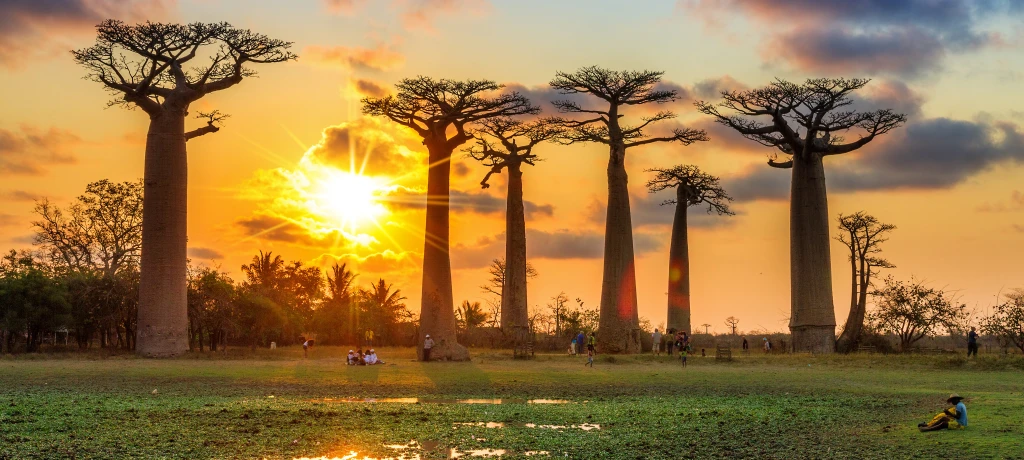
Long-Term Impact and Sustainability
Economic Benefits
The reforestation efforts by Evertreen not only aim to restore the environment but also provide significant economic benefits to local communities. By creating jobs and supporting local economies, these projects help lift communities out of poverty. The skills and knowledge gained by community members through their involvement in these projects also have long-term benefits, enabling them to engage in sustainable land management practices.
Environmental Benefits
Restoring mangrove and dry deciduous forests has numerous environmental benefits. Mangroves act as natural barriers against storm surges and coastal erosion, protecting inland areas from the impacts of extreme weather events. They also play a crucial role in carbon sequestration, helping to mitigate the effects of climate change. Additionally, reforestation helps in water regulation, soil stabilization, and providing habitats for diverse species, further contributing to ecosystem health.
Challenges and Overcoming Obstacles
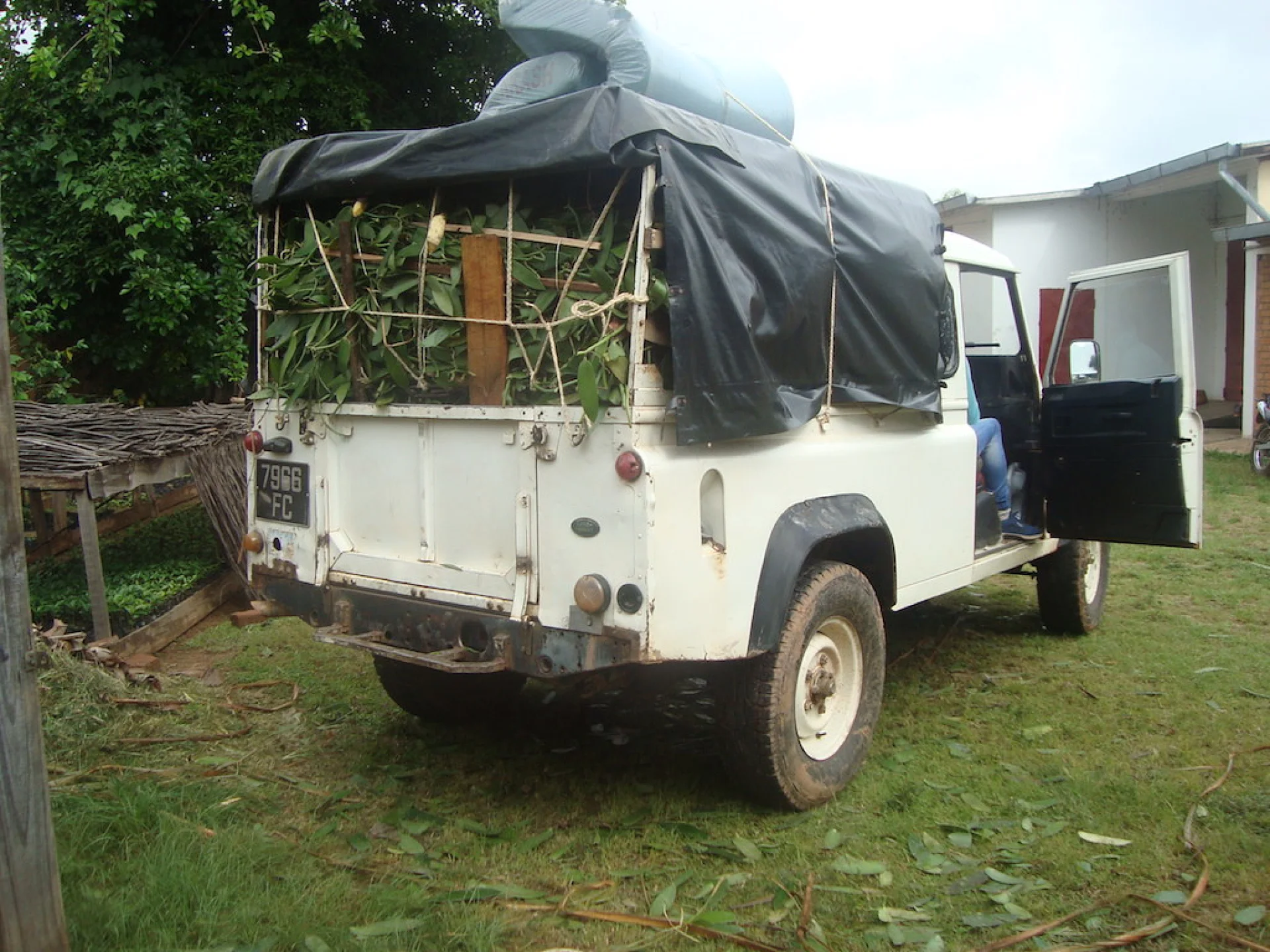
The project has faced several challenges, including logistical difficulties in transporting materials to remote areas, resistance from some local communities initially reluctant to change traditional practices, and environmental obstacles such as unpredictable weather conditions. These challenges were addressed through continuous community engagement, education programs, and adaptive management strategies that allowed for flexibility in project implementation.
Educational Programs and Awareness Campaigns
Education is a cornerstone of the reforestation project. Evertreen conducts educational programs to raise awareness about the importance of conservation and sustainable practices. These programs target various groups, including school children, local farmers, and community leaders. By fostering a deeper understanding of the environmental issues and the benefits of reforestation, the project aims to cultivate a culture of conservation that will sustain future efforts.
Future Plans and Goals
Evertreen has ambitious plans for the future. The organization aims to expand its reforestation efforts to new areas across Madagascar, increasing the number of trees planted and enhancing biodiversity. Future goals include integrating more advanced technologies for monitoring and managing reforestation sites, establishing additional partnerships with local and international organizations, and developing more community-led initiatives to ensure the sustainability of the reforestation efforts.
Conclusion
Evertreen's reforestation project in Madagascar demonstrates the power of collaboration in addressing deforestation and protecting biodiversity. By working with local communities, sponsors, and governments, the project not only restores critical habitats but also improves the livelihoods of those involved. The long-term benefits of these efforts are immense, from economic upliftment to environmental conservation. Want to get involved? Visit Evertreen and choose a reforestation project to support. Together, we can make a significant difference in the fight against deforestation.
Support this project
