

Reforestation in Nepal
Discover the Nepal reforestation project, dedicated to restoring forest ecosystems, protecting biodiversity, and supporting local communities.
Introduction
Implementing partner. Tree planting in Nepal is carried out by our partner Restoration Era.
Forestry trees play a significant role in the Earth's biosphere, accounting for a remarkable 75% of the gross primary productivity. They constitute approximately 80% of the planet’s plant biomass, showcasing their substantial contribution to global vegetation. However, the total biomass of the Earth has been gradually declining since 1990 due to human activities and their impact on natural ecosystems. Let's explore how the Nepal Reforestation Project is working to combat this decline and restore the vital forests.
The Importance of Forest Ecosystems
Forests and Their Role in the Biosphere
Forests hold approximately 606 gigatonnes of living biomass, encompassing both above-ground and below-ground components, while an additional 59 gigatonnes exist in the form of dead wood. Forest ecosystems can be found in diverse regions capable of sustaining tree growth, from lowland areas to altitudes reaching up to the tree line. However, factors such as frequent natural fires, human-induced alterations, and other disturbances can limit the presence of forests in specific regions.
Biodiversity in Forests
Forests exhibit a wide range of species diversity. In tropical rainforests and temperate deciduous forests, numerous tree species coexist within a relatively small area. In contrast, fewer species dominate vast expanses in taiga and arid montane coniferous forests. These ecosystems harbor a multitude of animal and plant species, with high biomass per unit area compared to other types of vegetation communities.
The Structure of Forests
Forests consist of several distinct layers: the forest floor, understory, and canopy layers. In tropical rainforests, an additional layer known as the emergent layer exists, characterized by towering trees that surpass the general canopy. Each layer supports a unique assemblage of plants and animals, influenced by factors such as sunlight availability, moisture levels, and food resources.
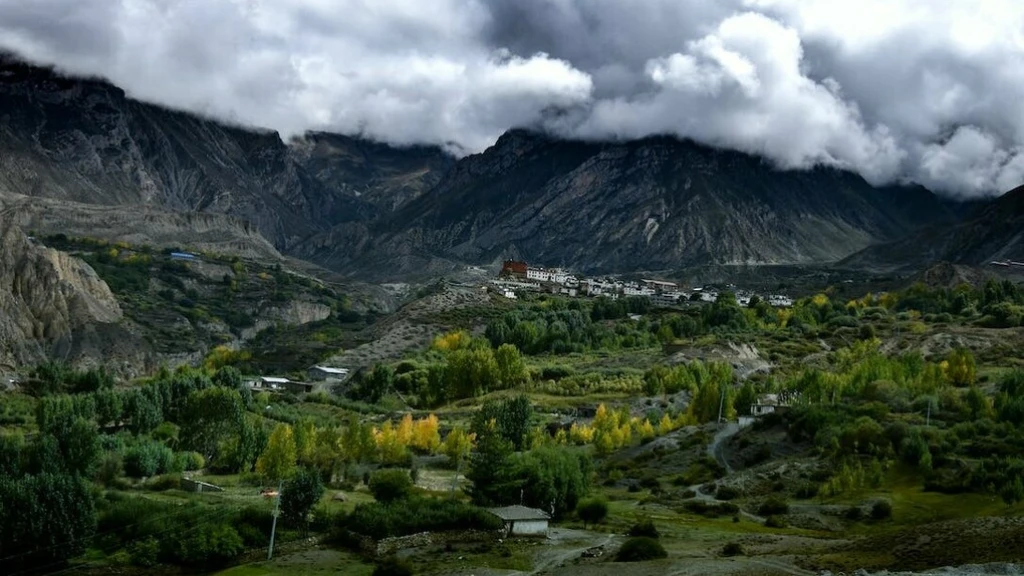
The Nepal Reforestation Project
Project Goals
The Nepal Reforestation aims to restore degraded forest lands, enhance biodiversity, and support local communities. By planting a diverse range of tree species, the project seeks to restore the structure and function of forest ecosystems, improving their resilience to environmental changes.
Learn more about this initiative on the tree planting page.
Community Involvement
Local communities are integral to the success of the reforestation project. They receive training and support to participate in tree planting and forest management activities. This involvement not only provides employment opportunities but also fosters a sense of ownership and responsibility towards the restored forests.
Planting Sites
Lowland Forests
Description: Lowland forests in Nepal are rich in biodiversity, hosting numerous plant and animal species. These forests are crucial for maintaining ecological balance and supporting local livelihoods.
Reforestation Efforts: The project focuses on planting native tree species to restore these lowland forests. Efforts include creating nurseries for saplings, involving local communities in planting activities, and ensuring the long-term maintenance of the newly planted trees.
Montane Forests
Description: Montane forests, found at higher altitudes, are characterized by a unique assemblage of flora and fauna adapted to cooler temperatures and varying moisture levels.
Reforestation Efforts: In these regions, the project aims to reintroduce native coniferous and broadleaf species. Planting activities are tailored to the specific conditions of the montane environment, ensuring the survival and growth of the trees.

Long-Term Impact and Sustainability
Economic Benefits
The reforestation efforts by Evertreen not only aim to restore the environment but also provide significant economic benefits to local communities. By creating jobs and supporting local economies, these projects help lift communities out of poverty. The skills and knowledge gained by community members through their involvement in these projects also have long-term benefits, enabling them to engage in sustainable land management practices.
Environmental Benefits
Restoring forests has numerous environmental benefits. Forests act as natural barriers against soil erosion, regulate water cycles, and contribute to carbon sequestration, helping to mitigate the effects of climate change. Healthy forests also support biodiversity by providing habitat for a wide range of species.
Challenges and Overcoming Obstacles
The project has faced several challenges, including logistical difficulties in transporting materials to remote areas, resistance from some local communities initially reluctant to change traditional practices, and environmental obstacles such as unpredictable weather conditions. These challenges were addressed through continuous community engagement, education programs, and adaptive management strategies that allowed for flexibility in project implementation.
Educational Programs and Awareness Campaigns
Education is a cornerstone of the reforestation project. Workshops and training sessions are conducted to raise awareness about the importance of conservation and sustainable practices. These programs target various groups, including school children, local farmers, and community leaders. By fostering a deeper understanding of environmental issues, the project aims to cultivate a culture of conservation that will sustain future efforts.
Future Plans and Goals
Evertreen has ambitious plans for the future. The organization aims to expand its reforestation efforts to new areas across Nepal, increasing the number of trees planted and enhancing biodiversity. Future goals include integrating more advanced technologies for monitoring and managing reforestation sites, establishing additional partnerships with local and international organizations, and developing more community-led initiatives to ensure the sustainability of the reforestation efforts.
Conclusion
The Nepal Reforestation shows how working together with local communities, sponsors, and governments can combat deforestation and protect biodiversity. By restoring critical habitats and improving the livelihoods of those involved, the project creates long-term benefits for both people and the environment. Want to get involved? Visit Evertreen and choose a reforestation project to support. Together, we can make a significant difference in the fight against deforestation.
Support this project
