

Reforestation in Ontario, Canada
Reforesting and Rewilding Ontario's Natural Landscapes promoting sustainability and re-establishing biodiversity in the region

Project overview:
· Tree-planting in key parts of Ontario’s forest regions, from mixed Great Lakes–St. Lawrence woodlands to more northern sites, focusing on previously cleared, harvested or understocked areas.
· New native trees such as white pine, red pine, spruce, maple and oak are planted and tended so they mature into diverse, long-lived forests suited to local soils and climate.
· The project strengthens Ontario’s already extensive forest cover by closing gaps in the canopy, restoring forest edges and adding trees along waterways and community landscapes.
Benefits for the local community:
· Supports local jobs and skills in nursery production, planting, stand tending and monitoring, while bringing new activity to rural communities that depend on forest work and outdoor recreation.
· Restored and newly treed areas enhance nearby trails, lakes and community spaces, improving quality of life and supporting nature-based tourism and outdoor activities across the province.
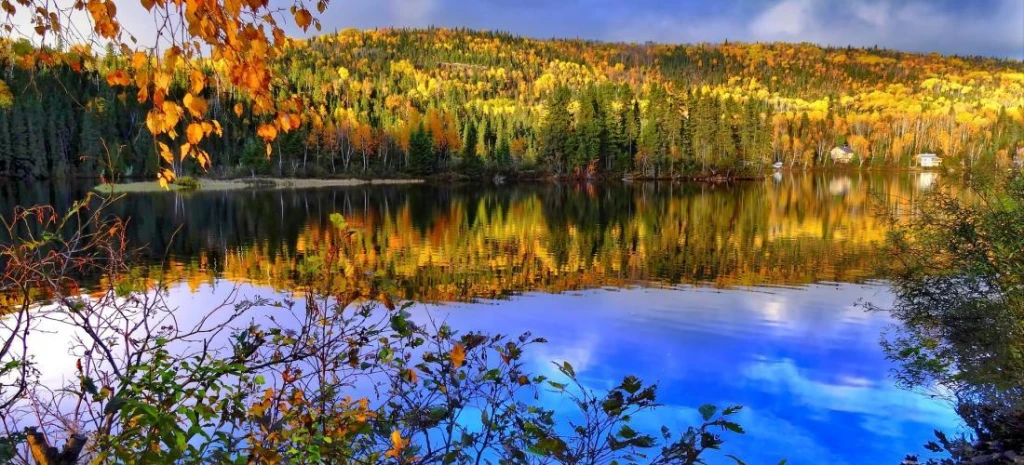
Environmental benefits:
· Planting trees on exposed or compacted soils reduces erosion and runoff, helping to protect the health of rivers and lakes that are important for drinking water, farming and recreation.
· Expanded tree cover moderates local temperatures, improves snow and rainfall infiltration and makes surrounding landscapes more resilient to storms, droughts and shifting weather patterns.
Biodiversity:
· Re-establishing a mix of native conifers and hardwoods rebuilds layered forest structure, providing food, nesting sites and shelter for Ontario’s many birds, mammals, insects and other wildlife.
· Connecting replanted stands with existing forest blocks and wetlands creates broader habitat networks, supporting species movement from northern boreal areas to more southerly Carolinian-influenced forests.
Support this project
