

Reforestation in Texas
Restoring Texas's Native Forests for Future Generations
The Deforestation Crisis in East Texas
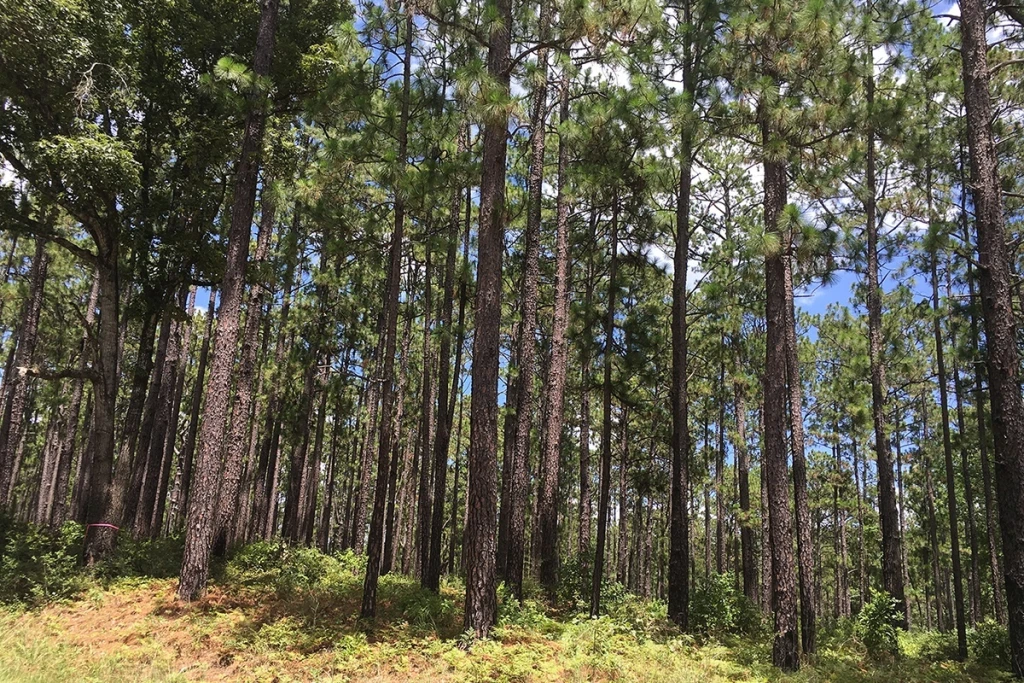
Texas is home to one of the most diverse landscapes in North America, ranging from dense forests in the east to sweeping plains in the west. Yet decades of land clearing, urban expansion, and agricultural conversion have taken a heavy toll on the state's native tree cover. The Pineywoods region of East Texas, once a vast expanse of longleaf pine and hardwood forest, has seen dramatic losses that have weakened ecosystems, accelerated soil erosion, and reduced the natural buffers communities rely on during extreme weather events. Through targeted reforestation initiatives, meaningful steps are being taken to restore these landscapes, revive native ecosystems, and build lasting resilience for the people and wildlife that call East Texas home.
Land Degradation and Soil Loss
The widespread clearing of East Texas's longleaf pine and mixed hardwood forests has left soils exposed and increasingly fragile. Without tree roots to hold the ground together, heavy rains wash away fertile topsoil, increase sediment loads in rivers and streams, and contribute to the gradual decline of land productivity across the region. This degradation places mounting pressure on rural communities whose livelihoods depend on healthy, productive land. Restoring forest cover is a critical step toward stabilizing soils and rebuilding the natural systems that underpin long-term land health.
Climate Vulnerability
East Texas faces a range of climate pressures, including intense rainfall events, prolonged droughts, and increasingly severe storm systems. The loss of forest cover removes the natural defenses that once helped absorb these shocks. Without trees to regulate water flow, moderate temperatures, and anchor the soil, both ecosystems and communities face greater exposure to climate-related risks. Reforestation is one of the most practical and proven tools for restoring these natural defenses and improving resilience at a landscape scale.
Project Goals
Evertreen focuses on restoring native forest cover across degraded and former agricultural land throughout the Pineywoods region. The goal goes beyond simply planting trees — it is about rebuilding diverse, functioning ecosystems that can support wildlife, purify water, and stabilize the land for generations to come. Species selection centers on native trees suited to East Texas conditions, including longleaf pine, loblolly pine, water oak, and sweetgum — species that once defined the region's natural character and that remain best adapted to its soils and climate. Evertreen supports these efforts by connecting individuals and companies with active planting initiatives on the ground, directing resources toward areas where restoration can deliver the greatest environmental and community benefit.
By supporting this project through Evertreen: together, we can help East Texas grow greener — one tree at a time.
Support this project
