

Restoration in USA North Carolina
The Green Promise: Reviving North Carolina’s Forests for a Sustainable Future
Project Overview
Across North Carolina, a wide-ranging reforestation and forest restoration initiative is bringing trees back to landscapes that have been degraded by land-use change, development, and historical clearing. Spanning multiple locations throughout the state, the project weaves together diverse planting and restoration efforts into a single, cohesive vision: restoring healthy forests that support biodiversity, protect natural resources, and create long-term environmental value for local communities.
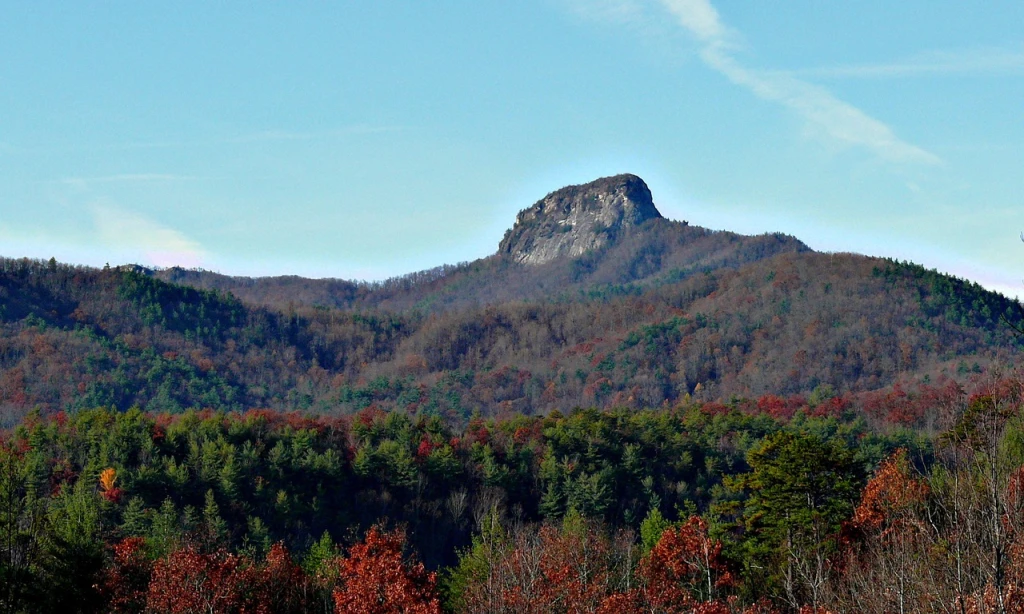
North Carolina is home to some of the most ecologically diverse forest systems in the eastern United States, from upland hardwood forests to river corridors and urban green spaces. Yet many of these areas have experienced significant loss of tree cover over time, reducing their capacity to regulate water, store carbon, and provide habitat. This initiative addresses those challenges by actively restoring forest cover where it is most needed, helping landscapes recover their ecological balance and resilience.
Reforesting Diverse Landscapes Across the State
The project encompasses a network of reforestation and restoration sites distributed across North Carolina, including rural lands, riparian zones, and urban and peri-urban areas. Rather than focusing on a single type of landscape, the initiative responds to local environmental needs, planting trees where they can deliver the greatest ecological benefit.
In agricultural and formerly cleared areas, reforestation helps rebuild soil structure, reduce erosion, and restore natural nutrient cycles. Along rivers and streams, restoring riparian forests improves water quality by filtering runoff, stabilizing banks, and reducing sedimentation. In towns and cities, expanding tree cover contributes to cooler microclimates, cleaner air, and more livable environments for residents.
Native Species and Long-Term Stewardship
Tree planting efforts prioritize native and site-appropriate species that are well adapted to North Carolina’s climate and ecosystems. By restoring forests with diverse species compositions, the project supports healthier, more resilient ecosystems capable of withstanding pests, disease, and climate stress.
Landowners, municipalities, and local partners commit to protecting and caring for newly planted trees, ensuring they can mature and deliver lasting benefits. This long-term stewardship approach is essential to transforming planting efforts into thriving forests, allowing restored areas to continue growing in ecological value year after year.
Environmental Benefits Beyond Tree Cover
While increasing forest cover is central to the initiative, the benefits extend far beyond trees alone. Restored forests help regulate water cycles, reducing flood risk during heavy rainfall and supporting groundwater recharge during drier periods. Improved habitat connectivity allows wildlife to move more freely across the landscape, strengthening biodiversity and ecosystem stability.
In urban and suburban contexts, trees also provide tangible social benefits. Shaded streets and parks improve quality of life, support physical and mental well-being, and create stronger connections between people and nature. Together, these environmental and social impacts contribute to more resilient communities across North Carolina.
Evertreen’s Role
This reforestation initiative is not managed directly by Evertreen. Instead, Evertreen acts as an intermediary, facilitating funding and enabling individuals and organizations to support tree planting and forest restoration activities within North Carolina. Through its platform, Evertreen connects clients with on-the-ground projects, helping turn environmental commitments into real, measurable action.
A Growing Legacy of Restoration
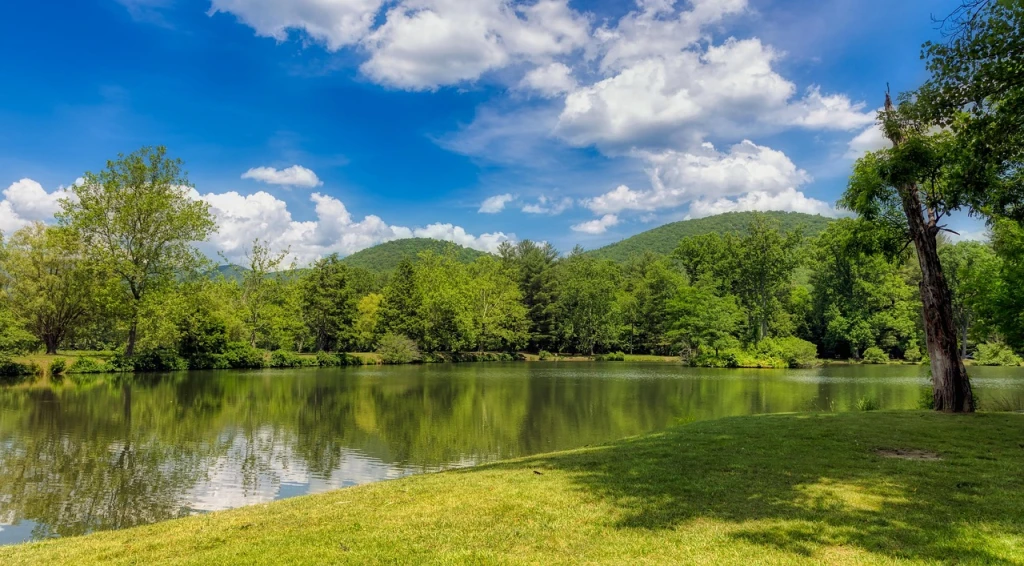
By bringing together multiple restoration efforts into a shared vision, this North Carolina project demonstrates the power of reforestation as a tool for environmental renewal. From riverbanks to city neighborhoods, each planted tree contributes to healthier ecosystems, stronger communities, and a more sustainable future.
Through sustained care, collaboration, and a commitment to restoring what has been lost, North Carolina’s forests are being given the opportunity to grow again—supporting life, protecting natural systems, and shaping resilient landscapes for generations to come.
Support this project
