

What Is ESG? A Simple Guide for Small Businesses
29 Sep 2026 in Corporate planting
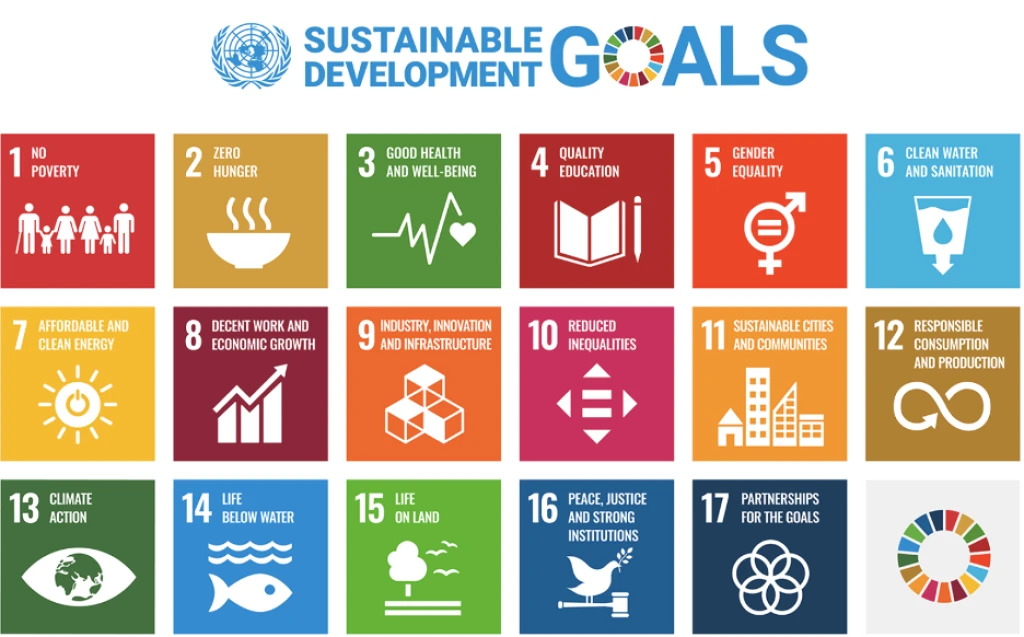
ESG stands for Environmental, Social, and Governance — a simple framework for how a company manages its impact and risks across those three areas. For a small business it is less about glossy reports and more about answering practical questions from customers, tenders, and staff: how your work affects the planet, how you treat the people around you, and how honestly you run the numbers. You do not need a sustainability department to make a start — just a clear head and a willingness to measure before you claim anything.
The three pillars of ESG, in plain English
- Environmental. Your footprint — energy use, business travel, waste, and the CO₂ your operations produce.
- Social. How you treat employees, customers, suppliers, and the wider community around you.
- Governance. How decisions get made: ethics, data protection, fair pay, and honest record-keeping.
- Why the three sit together. Combined, they signal whether a business is resilient and trustworthy, not merely profitable this quarter.
- What it is not. ESG is not a marketing badge; treated that way it quickly becomes a liability rather than an asset.
Why small businesses are suddenly being asked about ESG
Even if you never publish a report, ESG questions arrive through the back door. Larger customers increasingly pass their own supply-chain rules down to smaller suppliers, public and corporate tenders now award points for environmental credentials, and employees and investors want to know what you actually stand for. Almost all of these conversations begin with a single number: your carbon footprint. You can produce a first estimate in minutes with a free CO₂ calculator, which turns a vague expectation into a figure you can put on paper and improve over time.
There is a regulatory undercurrent too. Large companies in the EU now face structured sustainability reporting, and the practical effect for an SME is that their questionnaires get longer and more specific. You are rarely regulated directly; you are regulated through your customers.
What you will actually be asked for
Supplier questionnaires vary in length but converge on the same handful of items. Prepare these once and you can answer most of them:
- Your measured carbon footprint, with the reporting year and the boundary stated.
- Whether you have a reduction target, and what it covers.
- What you offset, under which standard, with evidence of retirement.
- Basic people policies — pay, health and safety, anti-discrimination, modern slavery statement where applicable.
- Governance basics — data protection, anti-bribery, who is accountable for all of the above.
A single well-maintained page covering those five items answers most questionnaires and takes an afternoon rather than a consulting engagement.
Practical first steps: start with the environmental
The E is the most actionable pillar for a small team, so begin there. Measure your footprint, cut what you genuinely can — switch to greener suppliers, reduce travel, waste less — and then offset only the remainder rather than pretending it is already zero. Offsetting is where transparency matters most: Evertreen lets you fund real tree planting from £1.5 per tree, and for compliance-grade reporting you can request certified Verra and Gold Standard credits. The order is the point — measure, reduce, then offset — because buying credits before you have cut anything is exactly what regulators now single out. The method is in how to calculate your business carbon footprint.
Don't neglect S and G — they are cheaper than you think
Small businesses often assume the social and governance pillars require formal programmes. Mostly they require writing down what you already do. Fair pay practices, a clear complaints route, supplier payment terms you actually honour, a data protection policy that matches reality, and a named person accountable for decisions — that is a credible S and G position for a company of ten people. What damages a small business is not the absence of a glossy policy; it is a policy that says something the company visibly does not do.
How visible tree planting supports the social side
Environmental action doubles as social proof when it is visible and honest. Every tree Evertreen plants is geolocated and photographed, so you can show customers exactly where their impact sits instead of asking them to trust a logo — useful both for credible reporting and for engaging your own community. Some businesses turn this into branded corporate gifting, planting a tree for each client win or employee milestone.
One caution worth repeating: never let planting become a substitute for reduction. Claiming to be "carbon neutral" while your emissions keep climbing is greenwashing, and it does more reputational damage than staying quiet. Note too that from 27 September 2026 the EU bans marketing a product to consumers as carbon neutral on the basis of offsetting. Keep the story modest, specific, and backed by numbers you can defend — see are carbon offsets greenwashing?
Frequently asked questions
Does a small business really need to worry about ESG? If you sell to larger companies, bid for tenders, or want to attract good staff and investors, yes — you will be asked. Starting small with a measured carbon footprint is usually enough to stay in the conversation.
Where should a small business start with ESG? Start with the environmental pillar because it is the most measurable. Calculate your CO₂ footprint, reduce what you can, and offset the rest transparently before worrying about the social and governance pillars.
Is planting trees enough to make my business sustainable? No. Tree planting offsets emissions you cannot yet avoid, but it should follow real reduction. Used honestly alongside cuts to energy and travel, it is a credible part of the plan — not a replacement for it.
Do we need an ESG report? Rarely at SME scale. A one-page summary of your footprint, targets, offsetting evidence and key policies covers most of what customers actually ask for.
Is ESG legally required for small companies? Usually not directly. The requirements land on large companies, and reach smaller suppliers through procurement questionnaires and contract terms.
How much does getting started cost? The measurement can be free with a calculator and a few hours of time. The meaningful spend is in the reductions themselves and, optionally, in offsetting the residual.
What is the most common mistake? Claiming more than you can evidence. A modest, documented position is worth far more in a tender than an ambitious one that falls apart under a follow-up question.
