Restoration in the USA
 United States of America
What you'll get
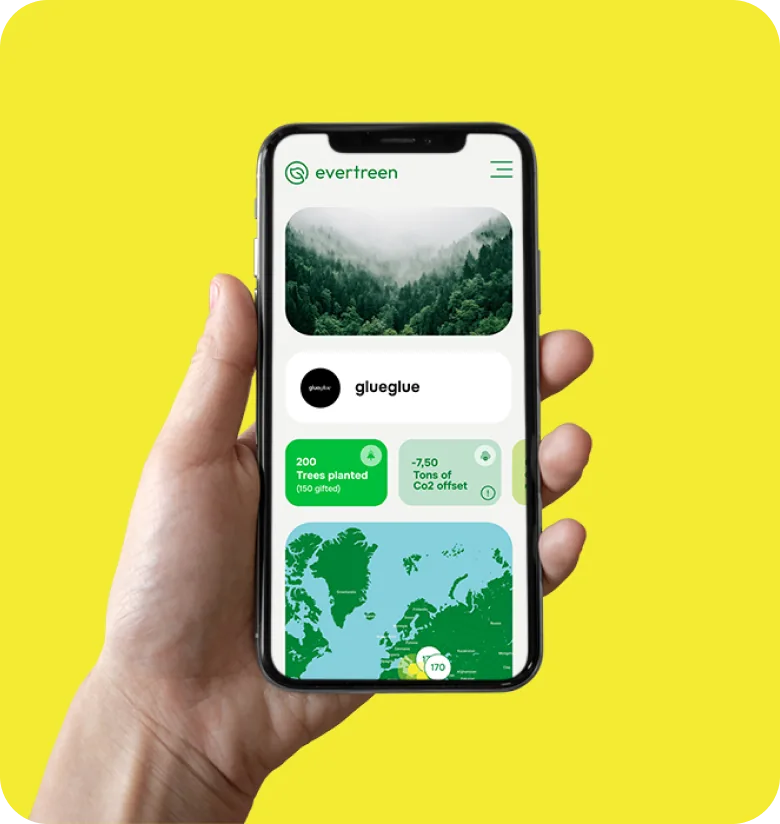
Public landing page
Our public forest profile shows where your trees are funded, their estimated CO2 and the work hours created by your forest.

Certificate
An official document confirming your contribution, with the details of the project you funded.
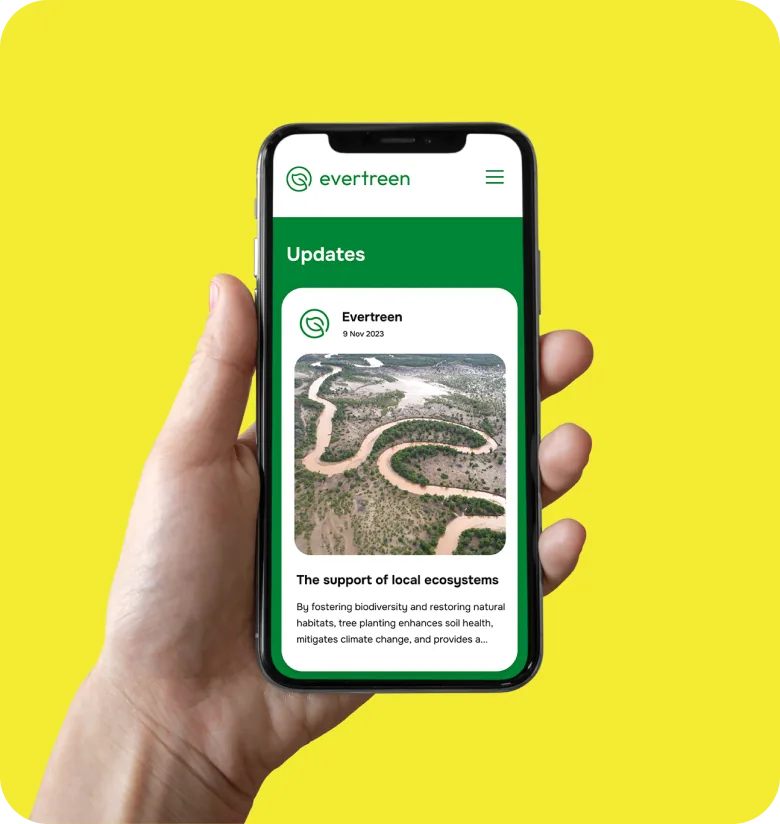
Project updates
Stay updated through videos and photos from the projects you’ve helped fund.
How to gift your trees

Choose your trees and schedule their planting or protection instantly
Log in to your account and navigate to the 'My Trees' section

Use your credit to generate your gift certificates

Send your gifts to family and friends!

About this project


Availability. This product funded certified carbon credits from US forestry projects, not tree planting. It is closed to new customers. Tree planting in the United States is a separate product, delivered by our partner the Arbor Day Foundation.
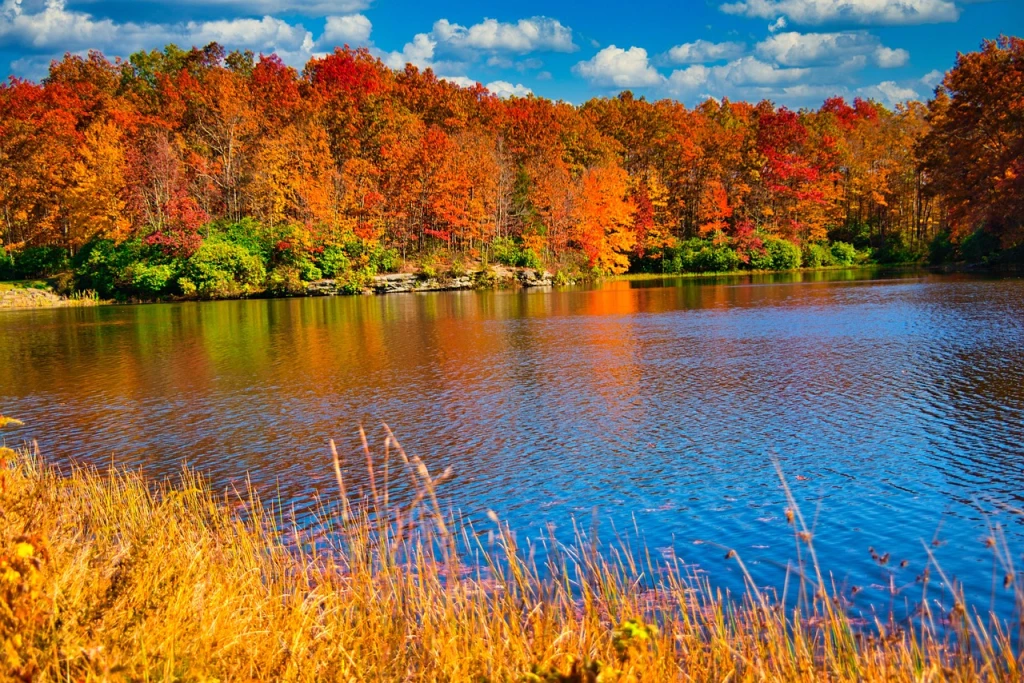
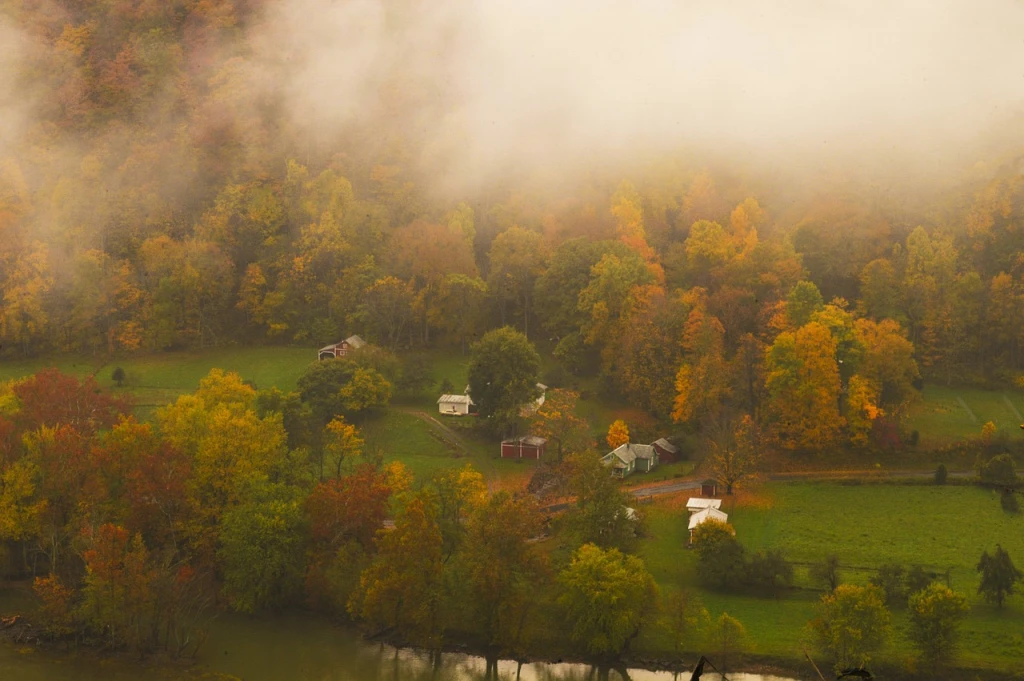
Across the United States, forests have long stood as symbols of resilience and renewal. Today, they are more critical than ever. Facing pressures from climate change, habitat loss, and decades of extractive land management, vast forest landscapes are being reimagined as powerful allies in the fight against global warming. A new wave of forest conservation and restoration projects is transforming how land is valued: not for the timber it yields, but for the carbon it stores, the water it safeguards, and the life it sustains.
This effort spans diverse regions of the country, uniting landscapes as varied as the southern Appalachian hardwoods of Kentucky, the river valleys of West Virginia, and the expansive northern forests of Wisconsin. Though geographically distinct, these areas are connected by a shared purpose: to secure climate benefits through sustainable forest management, while protecting biodiversity and strengthening local communities.
In southeastern Kentucky, the Boone and Elk forestry projects extend across more than 52,000 acres of the Cumberland Plateau. These southern Appalachian hardwood forests are among the most biologically diverse temperate woodlands in North America. By committing to carbon-focused stewardship, the projects ensure that these headwater forests continue to regulate water cycles, shelter countless species, and provide vital resilience for communities that rely on them.
To the northeast, in West Virginia, the Kanawha River Forestry Project safeguards 80,724 acres of forested land along one of the state’s most iconic rivers. Beyond capturing carbon, this landscape delivers watershed benefits to the region, stabilizing soils, improving water quality, and serving as a refuge for species whose habitats are increasingly threatened. Once managed for short-term timber returns, the forest now stands as an enduring investment in ecological integrity and climate stability.
Further north, in Wisconsin, two groundbreaking county-led initiatives have redefined what public land stewardship can achieve. The Iron County project, spanning 156,517 acres, and the Bayfield County project, covering 159,656 acres, represent a combined expanse of managed forests larger than many national parks. Long dependent on timber revenues, these counties have embraced carbon markets as a new and sustainable source of income. By reducing harvest levels well below permitted limits, they have committed to maintaining vast, intact forests that sequester carbon at scale while continuing to serve recreation, habitat, and community needs. Bayfield County, in particular, has made history by becoming the first county in the nation to establish a forest carbon project — a move that has already inspired others to follow.
Together, these projects protect nearly 450,000 acres of forestland across three states. They represent one of the most significant shifts in U.S. land management in recent decades: a pivot from short-term extraction to long-term stewardship. The benefits extend far beyond carbon sequestration. Intact forests regulate water systems, safeguard biodiversity, and mitigate the impacts of extreme weather. They also serve as carbon reserves, preventing millions of tons of CO₂ from entering the atmosphere while continuing to store additional carbon each year.
Crucially, these efforts are not isolated experiments. They are AFOLU (Agriculture, Forestry, and Other Land Use) carbon offsetting projects, certified under rigorous international standards such as the American Carbon Registry (ACR). Independent verification ensures that every credit issued reflects measurable, additional, and permanent climate benefits.
Evertreen participates only as an intermediary, helping organizations and individuals around the world channel funding into these certified projects. By doing so, Evertreen enables businesses and citizens alike to contribute to meaningful, verifiable climate action while supporting the protection of America’s most treasured forest landscapes.
What unites the Kanawha, Iron County, Bayfield, Boone, and Elk projects is more than geography. It is a shared belief that forests are worth more standing than cut. Together, they embody a new vision of land stewardship in the United States, one where climate leadership, ecological preservation, and community resilience go hand in hand.
Partners & standards
This funds US forest restoration with GreenTrees (American Carbon Registry) and Restore the Earth Foundation (CAR/ACR/Verra). Evertreen acts as an intermediary. CO₂ figures are modelled estimates — how we estimate this. See the project →