Trees in Madagascar
 Madagascar

This is a contribution to tree planting, not a certified carbon credit. No carbon credit is retired for this purchase.

What you'll get

Public landing page
Our public forest profile shows where your trees are funded, their estimated CO2 and the work hours created by your forest.

Certificate
An official document confirming your contribution, with the details of the project you funded.
Project updates
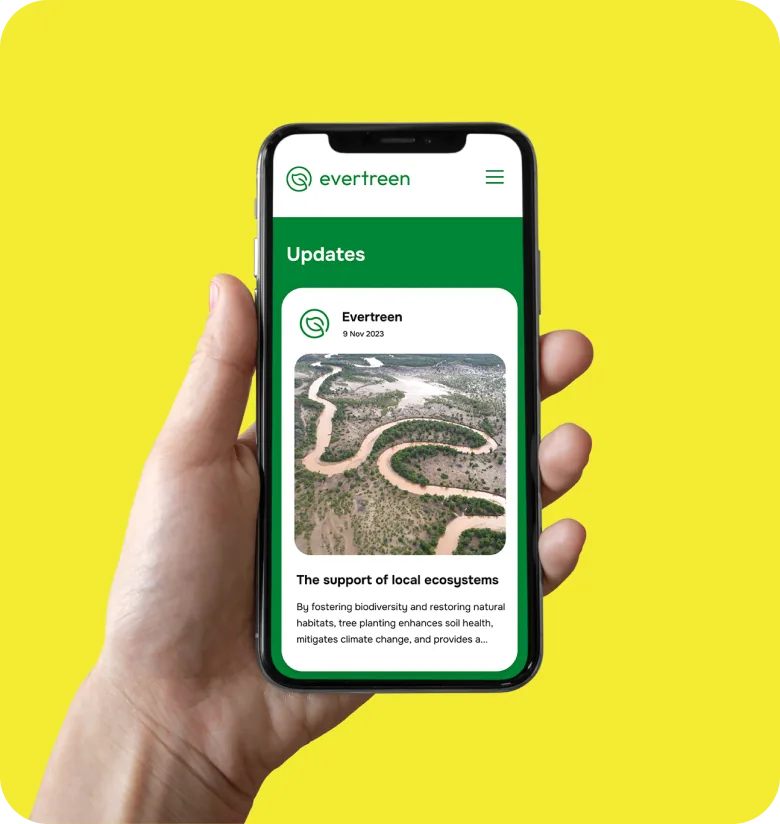
Stay updated through videos and photos from the projects you’ve helped fund.
How to gift your trees

Choose your trees and schedule their planting or protection instantly
Log in to your account and navigate to the 'My Trees' section

Use your credit to generate your gift certificates

Send your gifts to family and friends!

About this project


Estimated over the tree’s lifetime — how we calculate this →

Where your trees are planted. Tree planting in Madagascar is carried out by our partner Tsiryparma — including the Vohidahy highlands, described below, and mangrove planting at Kimony in western Madagascar. Until 2022, around 300,000 of our Madagascar trees were planted by Eden Reforestation Projects in the north-west. More than 1.5 million trees have been funded in Madagascar through Evertreen. This is tree planting, not a certified carbon credit: no credit is issued or retired against it.
At Vohidahy, Tsiryparma also works to protect the forest that is still standing. The rest of this page describes that project.
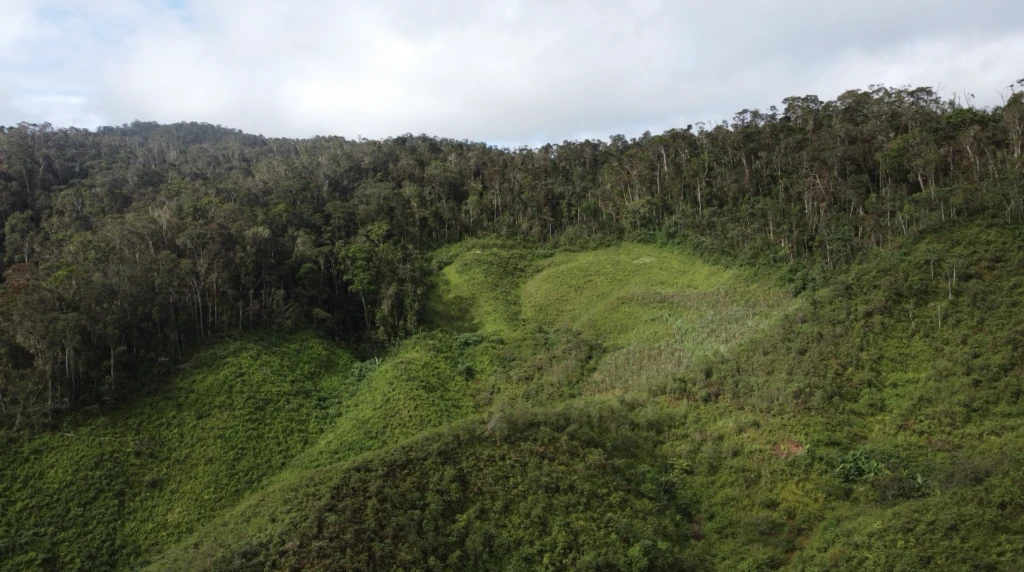
The Vohidahy Project sits in the eastern highlands of Madagascar's Amoron'i Mania region, where 8,021 hectares of natural forest are still standing under continuous canopy at about 1,000 metres of altitude. The forest survives in the buffer zone south of Fandriana-Marolambo National Park, in a country that has lost more than 90 percent of its original forest cover. The pressures are concrete: slash-and-burn farming, illegal Madagascar rosewood logging, lemur hunting, and clearing for sugarcane that gets distilled into the local rum.
The Vohidahy Project is run by Tsiryparma, an Italian volunteer non-profit founded in 2011 to continue forestry work that began in Vohidahy in 2006. Tsiryparma now runs forest patrols, women's agricultural training, a village hospital, three nursery schools, a coffee and vanilla supply chain, and roughly 40 plant nurseries across the region.
Tsiryparma’s work at Vohidahy covers three areas:
Forest patrols across 8,021 hectares of guarded forest. A team of 22 Vohidahy residents called I Custodi della Foresta (the Guardians of the Forest) carry out forest control missions about five days every month, supported by a Tsiryparma technician and four government forestry agents from the Ambositra Forestry Administration on two larger missions a year. The team has six leaders and two guardians for each of the eight villages in the commune. Their job is to walk the forest, document illegal logging and burning, and sensitise the villages to what the forest is worth standing.
The Miavotra women's association and the village's social anchors. The Miavotra women's environmental association, founded by women of Vohidahy with Tsiryparma's support, runs about five days a month of training at the Agricultural Training and Literacy Centre, built in 2018, covering sustainable agriculture, agroforestry, and literacy. The Vohidahy hospital, rebuilt with Italian Waldensian Church funding and inaugurated in 2022, is now the medical reference point for roughly 11,000 people. Caritas Children di Parma's distance-sponsorship program covers school costs and materials for 22 children, and Tsiryparma runs three Catholic nursery schools in the commune.
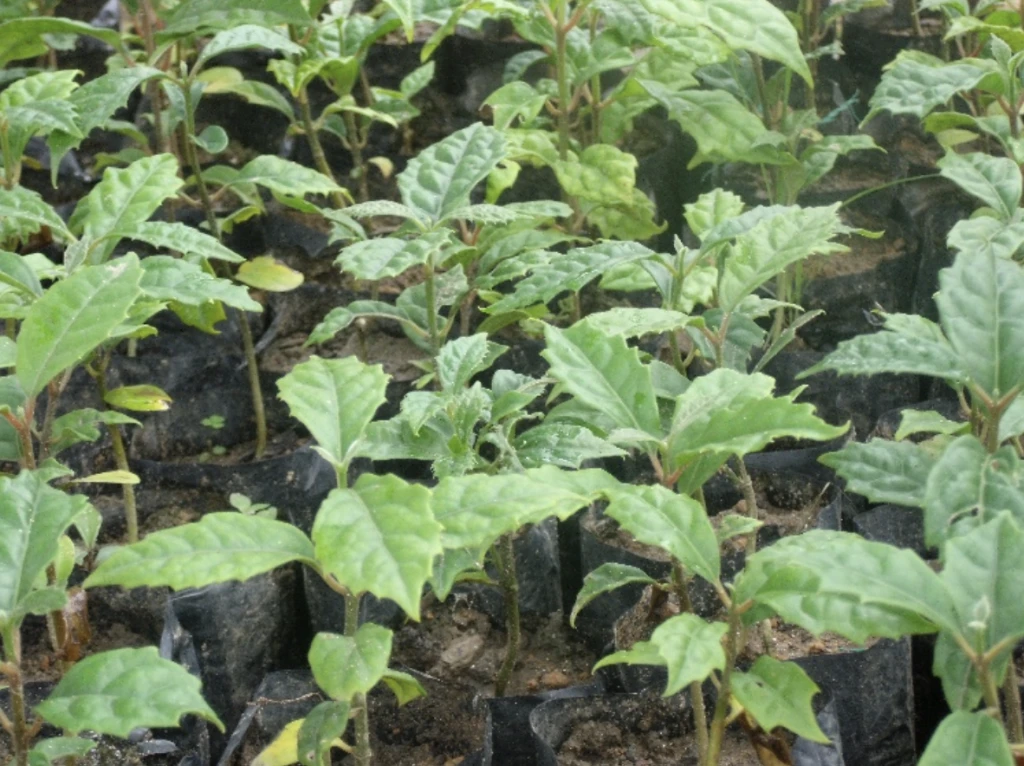
Coffee, vanilla, and the agroforestry supply chains. Tsiryparma develops cash crops that take pressure off the forest by giving farmers a reason not to burn it. The coffee project plants Arabica along the outer edge of the natural forest at roughly 1,000 metres altitude. The vanilla project, started in 2019, now has around 200 farmers producing organic vanilla, hand-pollinated each December and harvested in August and September. Across both crops and the wider Amoron'i Mania region, Tsiryparma has produced 80,486 seedlings since 2018, raised in roughly 40 nurseries split between the Vohidahy valley and the Ambositra countryside. That figure covers the Amoron'i Mania region only; our wider Madagascar planting is set out at the top of this page.
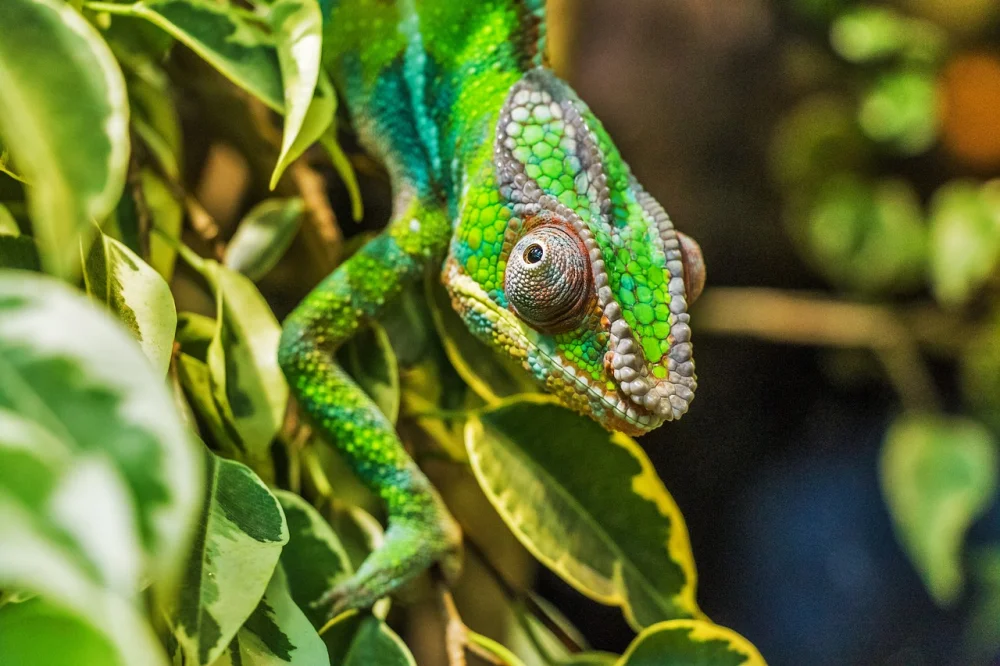
The forest holds endemic species characteristic of Madagascar's eastern highlands. Dalbergia monticola, the Madagascar rosewood, is the headline endemic timber tree and was the subject of the project lead's university thesis on its ecology and sustainable management. Lemurs remain in the canopy. The endemic wild forest pepper tsiperyfery, used in European kitchens for its citrus and woody notes, grows in the understory. Madagascar holds more than 200,000 species in total, and roughly 70 percent of them are found nowhere else on Earth.
The Vohidahy Project is run on the ground by Nicola Gandolfi, an Italian forester working in Madagascar since 2006 and now living there with his family, alongside Tsiryparma's local team, the village's guardians, and the Miavotra women's association. The project is not registry-certified; the credibility comes from a continuous Tsiryparma presence in the village since 2011 (built on work in the same valley that started in 2006), an open partner network including Caritas Children di Parma, the Italian Waldensian Church, and the Ambositra Forestry Administration, and a documentation trail Tsiryparma shares directly with Evertreen. The project is also visitable in person.
Fund tree planting in Madagascar with Evertreen, carried out by Tsiryparma, whose wider work at Vohidahy helps keep this corridor intact for the lemurs, the rosewood, and the village.
Frequently Asked Questions
Can my company use this for ESG or CSR reporting?
For ESG reporting that specifically requires a registry-certified carbon project, the Vohidahy work alone is not the right fit. For corporate giving, community impact reporting, or a credible local conservation story backed by a long-running, locally led, visitable project, it pairs well with the Verra-certified and ACR-certified projects in Evertreen's portfolio. Evertreen provides tracking, reporting tools, and a public impact page for your company.
Can I gift these trees?
Yes. Evertreen gift certificates work for the Vohidahy Project as they do for any of our other projects. The recipient gets their own public tree page and follows the project's progress directly.
Does Evertreen own this project?
No. The Vohidahy Project is run by Tsiryparma, an Italian volunteer non-profit founded in 2011 in Parma and registered as an ONLUS under Italian Law 266/91. Evertreen partners with Tsiryparma to bring the project to a wider audience and pass funding directly to the operator. The project has been continuously active on the ground in Vohidahy since 2006.
What does my contribution actually fund?
Your contribution funds tree planting carried out by Tsiryparma in Madagascar. Tsiryparma’s wider work at Vohidahy — the forest guardian team that walks 8,021 hectares of guarded forest five days a month, the Miavotra women's association and the Agricultural Training Centre, the village hospital and nursery schools, and the coffee and vanilla supply chains that give farmers an income they do not have to burn forest for — is described above. None of it is presented as a certified carbon credit.
Have more questions about how Evertreen works? Visit our FAQ.
Reviewed by Evertreen. Last updated: September 2026.
Sources: Tsiryparma project documents provided to Evertreen, including "I custodi della foresta," "Progetto filiera caffè per Vohidahy," and "Agricoltura sostenibile per l'empowerment delle donne a Vohidahy" (Associazione Miavotra), May 2026; Tsiryparma email correspondence from Nicola Gandolfi (15 February 2021) and Rita Magnini (12 February 2021); Tsiryparma plant species list and reforestation GPS coordinates; curriculum vitae of Nicola Gandolfi; additional context from the operator's website at https://www.tsiryparma.org. The Vohidahy Project is operated by Tsiryparma (ONLUS TsiryParma, an Italian volunteer association registered under Italian Law 266/91), with Nicola Gandolfi as project lead on the ground. Evertreen partners with Tsiryparma to bring the project to a wider audience and pass funding directly to the operator. Evertreen does not own or operate the project directly.